Productbeschrijving
T4-660-01B-07G-YIIIP Agriculture PTO Drive Shaft for Earth Mover and Potato Harvester
| Product: | PTO-aandrijfas |
| Model: | T4-660-01B-07G-YIIIP |
| Size: | φ27*74.6 Length 660mm |
| Raw Material: | 45# Steel |
| Hardness: | 58-64HRC |
| Delivery Date: | 7-60 Days |
| MOQ: | 100 sets or according to stocks without minimum Qty. |
| Sample: | Acceptable |
| We could produce all kinds of PTO Drive Shaft and Parts according to customers’ requirement. | |
| REF. | UJ | L.mm |
| T4-660-01B-07G-YIIIP | ø27*74.6 | 660 |
About us
We have more than 17 years experience of Spare parts, especially on Drive Line Parts.
We deeply participant in the Auto Spare parts business in HangZhou city which is the most import spare parts production area in China.
We are supply products with good cost performance for different customers of all over the world.
We keep very good relationship with local produces with the WIN-WIN-WIN policy.
Factory supply good and fast products;
We supply good and fast service;
And Customers gain the good products and good service for their customers.
This is a healthy and strong equilateral triangle keep HangZhou Speedway going forward until now.
| Type: | Transmission |
|---|---|
| Usage: | Tillage, Harvester, Planting and Fertilization |
| Material: | 45# Steel |
| Power Source: | Diesel |
| Weight: | 8 |
| After-sales Service: | Online Support |
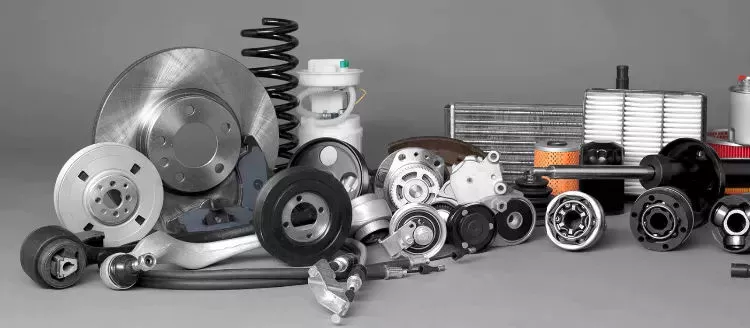
Can drive shafts be adapted for use in both automotive and industrial settings?
Yes, drive shafts can be adapted for use in both automotive and industrial settings. While there may be some differences in design and specifications based on the specific application requirements, the fundamental principles and functions of drive shafts remain applicable in both contexts. Here’s a detailed explanation:
1. Power Transmission:
Drive shafts serve the primary purpose of transmitting rotational power from a power source, such as an engine or motor, to driven components, which can be wheels, machinery, or other mechanical systems. This fundamental function applies to both automotive and industrial settings. Whether it’s delivering power to the wheels of a vehicle or transferring torque to industrial machinery, the basic principle of power transmission remains the same for drive shafts in both contexts.
2. Design Considerations:
While there may be variations in design based on specific applications, the core design considerations for drive shafts are similar in both automotive and industrial settings. Factors such as torque requirements, operating speeds, length, and material selection are taken into account in both cases. Automotive drive shafts are typically designed to accommodate the dynamic nature of vehicle operation, including variations in speed, angles, and suspension movement. Industrial drive shafts, on the other hand, may be designed for specific machinery and equipment, taking into consideration factors such as load capacity, operating conditions, and alignment requirements. However, the underlying principles of ensuring proper dimensions, strength, and balance are essential in both automotive and industrial drive shaft designs.
3. Material Selection:
The material selection for drive shafts is influenced by the specific requirements of the application, whether in automotive or industrial settings. In automotive applications, drive shafts are commonly made from materials such as steel or aluminum alloys, chosen for their strength, durability, and ability to withstand varying operating conditions. In industrial settings, drive shafts may be made from a broader range of materials, including steel, stainless steel, or even specialized alloys, depending on factors such as load capacity, corrosion resistance, or temperature tolerance. The material selection is tailored to meet the specific needs of the application while ensuring efficient power transfer and durability.
4. Joint Configurations:
Both automotive and industrial drive shafts may incorporate various joint configurations to accommodate the specific requirements of the application. Universal joints (U-joints) are commonly used in both contexts to allow for angular movement and compensate for misalignment between the drive shaft and driven components. Constant velocity (CV) joints are also utilized, particularly in automotive drive shafts, to maintain a constant velocity of rotation and accommodate varying operating angles. These joint configurations are adapted and optimized based on the specific needs of automotive or industrial applications.
5. Maintenance and Service:
While maintenance practices may vary between automotive and industrial settings, the importance of regular inspection, lubrication, and balancing remains crucial in both cases. Both automotive and industrial drive shafts benefit from periodic maintenance to ensure optimal performance, identify potential issues, and prolong the lifespan of the drive shafts. Lubrication of joints, inspection for wear or damage, and balancing procedures are common maintenance tasks for drive shafts in both automotive and industrial applications.
6. Customization and Adaptation:
Drive shafts can be customized and adapted to meet the specific requirements of various automotive and industrial applications. Manufacturers often offer drive shafts with different lengths, diameters, and joint configurations to accommodate a wide range of vehicles or machinery. This flexibility allows for the adaptation of drive shafts to suit the specific torque, speed, and dimensional requirements of different applications, whether in automotive or industrial settings.
In summary, drive shafts can be adapted for use in both automotive and industrial settings by considering the specific requirements of each application. While there may be variations in design, materials, joint configurations, and maintenance practices, the fundamental principles of power transmission, design considerations, and customization options remain applicable in both contexts. Drive shafts play a crucial role in both automotive and industrial applications, enabling efficient power transfer and reliable operation in a wide range of mechanical systems.

Hoe verbeteren aandrijfassen de prestaties van auto's en vrachtwagens?
Aandrijfassen spelen een belangrijke rol bij het verbeteren van de prestaties van auto's en vrachtwagens. Ze dragen bij aan verschillende aspecten van de voertuigprestaties, waaronder vermogensafgifte, tractie, wegligging en algehele efficiëntie. Hieronder volgt een gedetailleerde uitleg over hoe aandrijfassen de prestaties van auto's en vrachtwagens verbeteren:
1. Stroomvoorziening: Aandrijfassen zijn verantwoordelijk voor het overbrengen van vermogen van de motor naar de wielen, waardoor het voertuig vooruit kan rijden. Door efficiënt vermogen over te brengen zonder noemenswaardig verlies, zorgen aandrijfassen ervoor dat het vermogen van de motor effectief wordt benut, wat resulteert in een betere acceleratie en algehele prestaties. Goed ontworpen aandrijfassen met minimaal vermogensverlies dragen bij aan het vermogen van het voertuig om het vermogen efficiënt naar de wielen over te brengen.
2. Koppeloverdracht: Aandrijfassen zorgen voor de overdracht van koppel van de motor naar de wielen. Koppel is de rotatiekracht die het voertuig vooruit drijft. Hoogwaardige aandrijfassen met de juiste koppelomzettingscapaciteiten zorgen ervoor dat het door de motor gegenereerde koppel effectief naar de wielen wordt overgebracht. Dit verbetert het vermogen van het voertuig om snel te accelereren, zware lasten te trekken en steile hellingen te beklimmen, waardoor de algehele prestaties verbeteren.
3. Tractie en stabiliteit: Aandrijfassen dragen bij aan de tractie en stabiliteit van auto's en vrachtwagens. Ze brengen de kracht over op de wielen, waardoor deze kracht kunnen uitoefenen op het wegdek. Dit zorgt ervoor dat het voertuig grip behoudt, met name tijdens het accelereren of bij het rijden op glad of oneffen terrein. De efficiënte krachtoverbrenging via de aandrijfassen verbetert de stabiliteit van het voertuig door een evenwichtige krachtverdeling over alle wielen te garanderen, wat de controle en het rijgedrag ten goede komt.
4. Bediening en manoeuvreerbaarheid: Aandrijfassen hebben een grote invloed op de wegligging en wendbaarheid van voertuigen. Ze zorgen voor een directe verbinding tussen de motor en de wielen, waardoor nauwkeurige controle en een responsieve besturing mogelijk zijn. Goed ontworpen aandrijfassen met minimale speling dragen bij aan een directere en snellere reactie op de stuurbewegingen van de bestuurder, wat de wendbaarheid en manoeuvreerbaarheid van het voertuig verbetert.
5. Gewichtsvermindering: Aandrijfassen kunnen bijdragen aan gewichtsvermindering in auto's en vrachtwagens. Lichtgewicht aandrijfassen, gemaakt van materialen zoals aluminium of koolstofvezelversterkte composieten, verlagen het totale gewicht van het voertuig. Het lagere gewicht verbetert de vermogen-gewichtsverhouding, wat resulteert in een betere acceleratie, wegligging en brandstofefficiëntie. Bovendien verminderen lichtgewicht aandrijfassen de roterende massa, waardoor de motor sneller in toeren kan komen en de prestaties verder worden verbeterd.
6. Mechanisch rendement: Efficiënte aandrijfassen minimaliseren energieverliezen tijdens de krachtoverbrenging. Door gebruik te maken van eigenschappen zoals hoogwaardige lagers, wrijvingsarme afdichtingen en geoptimaliseerde smering, verminderen aandrijfassen de wrijving en minimaliseren ze vermogensverliezen als gevolg van interne weerstand. Dit verbetert de mechanische efficiëntie van het aandrijfsysteem, waardoor er meer vermogen naar de wielen wordt overgebracht en de algehele voertuigprestaties verbeteren.
7. Prestatieverbeteringen: Aandrijfasupgrades zijn populaire prestatieverbeteringen voor autoliefhebbers. Verbeterde aandrijfassen, bijvoorbeeld van sterker materiaal of met een verhoogd koppelvermogen, kunnen hogere vermogens van aangepaste motoren aan. Deze upgrades zorgen voor betere prestaties, zoals een snellere acceleratie, hogere topsnelheden en een betere rijdynamiek.
8. Compatibiliteit met prestatieverbeteringen: Prestatieverbeteringen, zoals motorupgrades, een verhoogd vermogen of aanpassingen aan het aandrijfsysteem, vereisen vaak compatibele aandrijfassen. Aandrijfassen die ontworpen zijn om hogere koppelbelastingen aan te kunnen of zich aan te passen aan aangepaste aandrijfconfiguraties, garanderen optimale prestaties en betrouwbaarheid. Ze stellen het voertuig in staat om het toegenomen vermogen en koppel effectief te benutten, wat resulteert in verbeterde prestaties en responsiviteit.
9. Duurzaamheid en betrouwbaarheid: Robuuste en goed onderhouden aandrijfassen dragen bij aan de duurzaamheid en betrouwbaarheid van auto's en vrachtwagens. Ze zijn ontworpen om de spanningen en belastingen te weerstaan die gepaard gaan met krachtoverbrenging. Hoogwaardige materialen, een goede balancering en regelmatig onderhoud zorgen ervoor dat aandrijfassen soepel werken, waardoor het risico op storingen of prestatieproblemen wordt geminimaliseerd. Betrouwbare aandrijfassen verbeteren de algehele prestaties door een constante krachtoverbrenging te garanderen en stilstand te minimaliseren.
10. Compatibiliteit met geavanceerde technologieën: Aandrijfassen ontwikkelen zich parallel met de vooruitgang in voertuigtechnologieën. Ze worden steeds vaker geïntegreerd met geavanceerde systemen zoals hybride aandrijflijnen, elektromotoren en regeneratief remmen. Aandrijfassen die ontworpen zijn om naadloos met deze technologieën samen te werken, maximaliseren de efficiëntie en prestatievoordelen, wat bijdraagt aan betere algehele voertuigprestaties.
Samenvattend verbeteren aandrijfassen de prestaties van auto's en vrachtwagens door de vermogensafgifte te optimaliseren, de koppeloverdracht te vergemakkelijken, de tractie en stabiliteit te verbeteren, de wegligging en wendbaarheid te vergroten, het gewicht te verminderen, de mechanische efficiëntie te verhogen, compatibiliteit met prestatieverbeteringen en geavanceerde technologieën mogelijk te maken en duurzaamheid en betrouwbaarheid te garanderen. Ze spelen een cruciale rol bij het waarborgen van een efficiënte krachtoverbrenging, responsieve acceleratie, nauwkeurige besturing en algehele verbeterde prestaties van voertuigen.
How do drive shafts handle variations in length and torque requirements?
Drive shafts are designed to handle variations in length and torque requirements in order to efficiently transmit rotational power. Here’s an explanation of how drive shafts address these variations:
Length Variations:
Drive shafts are available in different lengths to accommodate varying distances between the engine or power source and the driven components. They can be custom-made or purchased in standardized lengths, depending on the specific application. In situations where the distance between the engine and the driven components is longer, multiple drive shafts with appropriate couplings or universal joints can be used to bridge the gap. These additional drive shafts effectively extend the overall length of the power transmission system.
Additionally, some drive shafts are designed with telescopic sections. These sections can be extended or retracted, allowing for adjustments in length to accommodate different vehicle configurations or dynamic movements. Telescopic drive shafts are commonly used in applications where the distance between the engine and the driven components may change, such as in certain types of trucks, buses, and off-road vehicles.
Torque Requirements:
Drive shafts are engineered to handle varying torque requirements based on the power output of the engine or power source and the demands of the driven components. The torque transmitted through the drive shaft depends on factors such as the engine power, load conditions, and the resistance encountered by the driven components.
Manufacturers consider torque requirements when selecting the appropriate materials and dimensions for drive shafts. Drive shafts are typically made from high-strength materials, such as steel or aluminum alloys, to withstand the torque loads without deformation or failure. The diameter, wall thickness, and design of the drive shaft are carefully calculated to ensure it can handle the expected torque without excessive deflection or vibration.
In applications with high torque demands, such as heavy-duty trucks, industrial machinery, or performance vehicles, drive shafts may have additional reinforcements. These reinforcements can include thicker walls, cross-sectional shapes optimized for strength, or composite materials with superior torque-handling capabilities.
Furthermore, drive shafts often incorporate flexible joints, such as universal joints or constant velocity (CV) joints. These joints allow for angular misalignment and compensate for variations in the operating angles between the engine, transmission, and driven components. They also help absorb vibrations and shocks, reducing stress on the drive shaft and enhancing its torque-handling capacity.
In summary, drive shafts handle variations in length and torque requirements through customizable lengths, telescopic sections, appropriate materials and dimensions, and the inclusion of flexible joints. By carefully considering these factors, drive shafts can efficiently and reliably transmit power while accommodating the specific needs of different applications.


editor by CX 2023-12-06