Productbeschrijving
Rolling Mill of Professional Cardan Shaft with ISO Certificate
Brief Introduction
Processing flow
Applications
Quality Control
Productbeschrijving
| structure | universal | Flexible or Rigid | Rigid | Standard or Nonstandard | Nonstandard |
| Material | Alloy steel | Brand name | HangZhou XIHU (WEST LAKE) DIS. | Place of origin | ZheJiang ,China |
| Model | SWC Medium | Raw materials | heat treatment | Length | depend on specification |
| Flange DIA | 160mm~620mm | Nominal torque | depend on required specification(please confirm with us) | coating | heavy duty industrial paint |
| Paint clour | customization | Application | Rolling mill machinery | OEM/ODM | Available |
| Certification | ISO,TUV,SGS | Price | calculate according to required specification | Custom service | Available |
Packaging & Delivery
Packaging details:Standard plywood case
Delivery detail: 15 -20 working days,depend on the actual produce condition
FAQ
Q1: What is the location of your company?
A1: Our company is located in the HangZhou City ,ZheJiang ,China.Welcome to visit our factory at anytime!
Q2: How does your factory do regarding quality control?
A2: Our standard QC system to control quality.
Q3: What is your delivery time?
A3: Usually within 25 days after the receipt of payment.Delivery time must depend on the actual produce condition.
Q4: What are your strengths?
A4: 1.We are the manufacturer,having competitive advantage in price.
2.A large part of money is put into advancing CNC equipments and productR&D department annual,the performance of cardan shaft can be guaranteed.
3.About quality issues or follow-up after-sales service,we report directly to the boss.
4.We have the ambitions to exploring and developing the world’s cardan shaft market and we believe we can.
| Material: | Alloy Steel |
|---|---|
| Load: | Drive Shaft |
| Stiffness & Flexibility: | Stiffness / Rigid Axle |
| Journal Diameter Dimensional Accuracy: | IT6-IT9 |
| Axis Shape: | Straight Shaft |
| Shaft Shape: | Hollow Axis |
| Customization: |
Available
| Customized Request |
|---|
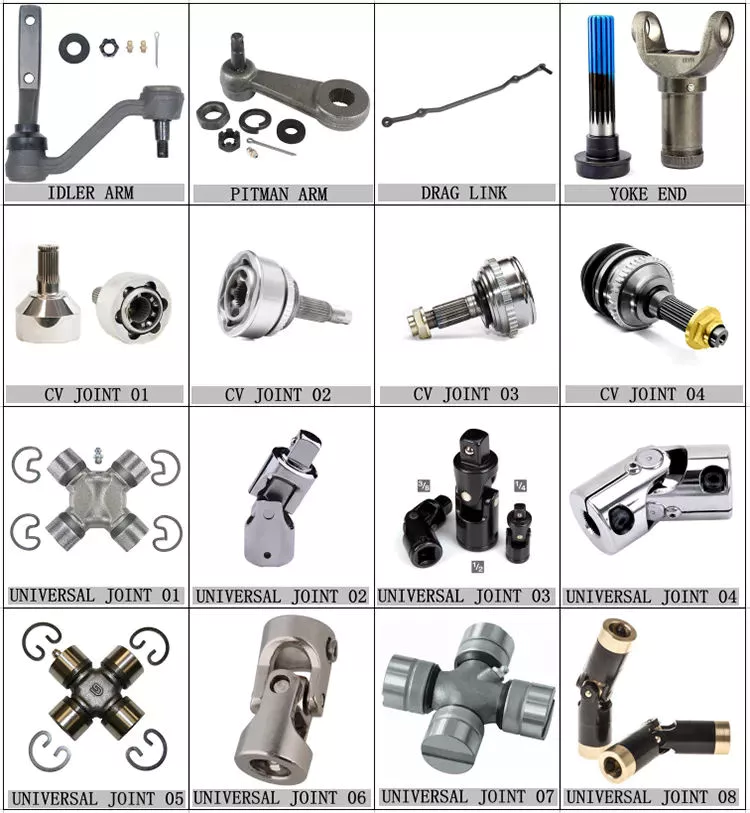
Hoe gaan aandrijfassen om met variaties in snelheid en koppel tijdens gebruik?
Aandrijfassen zijn ontworpen om variaties in snelheid en koppel tijdens bedrijf op te vangen door middel van specifieke mechanismen en configuraties. Deze mechanismen stellen de aandrijfassen in staat om zich aan te passen aan de veranderende eisen van de krachtoverbrenging, terwijl een soepele en efficiënte werking behouden blijft. Hieronder volgt een gedetailleerde uitleg over hoe aandrijfassen variaties in snelheid en koppel verwerken:
1. Flexibele koppelingen:
Aandrijfassen bevatten vaak flexibele koppelingen, zoals kruiskoppelingen (U-koppelingen) of homokinetische koppelingen (CV-koppelingen), om variaties in snelheid en koppel op te vangen. Deze koppelingen bieden flexibiliteit en zorgen ervoor dat de aandrijfas kracht kan overbrengen, zelfs wanneer de aandrijvende en aangedreven componenten niet perfect zijn uitgelijnd. Kruiskoppelingen bestaan uit twee jukken die met elkaar verbonden zijn door een kruisvormig lager, waardoor hoekbeweging tussen de delen van de aandrijfas mogelijk is. Deze flexibiliteit vangt variaties in snelheid en koppel op en compenseert voor uitlijningsfouten. Homokinetische koppelingen, die veelvuldig worden gebruikt in aandrijfassen van auto's, handhaven een constante rotatiesnelheid terwijl ze veranderende werkingshoeken opvangen. Deze flexibele koppelingen maken een soepele krachtoverbrenging mogelijk en verminderen trillingen en slijtage veroorzaakt door variaties in snelheid en koppel.
2. Schuifverbindingen:
In sommige aandrijfasconstructies worden schuifverbindingen toegepast om variaties in lengte op te vangen en veranderingen in de afstand tussen de aandrijvende en aangedreven componenten te compenseren. Een schuifverbinding bestaat uit een binnen- en een buitenbuis met spiebanen of een telescopisch mechanisme. Wanneer de aandrijfas lengteveranderingen ondergaat als gevolg van bewegingen van de ophanging of andere factoren, zorgt de schuifverbinding ervoor dat de as kan uitschuiven of inkrimpen zonder de krachtoverbrenging te beïnvloeden. Door axiale beweging mogelijk te maken, helpen schuifverbindingen vastlopen of overmatige spanning op de aandrijfas te voorkomen bij variaties in snelheid en koppel, waardoor een soepele werking wordt gegarandeerd.
3. Evenwicht vinden:
Aandrijfassen ondergaan balanceerprocedures om hun prestaties te optimaliseren en trillingen als gevolg van snelheids- en koppelvariaties te minimaliseren. Onevenwichtigheden in de aandrijfas kunnen leiden tot trillingen, die niet alleen het comfort van de inzittenden beïnvloeden, maar ook de slijtage van de as en de bijbehorende onderdelen verhogen. Balanceren houdt in dat de massa over de aandrijfas wordt herverdeeld om een gelijkmatige gewichtsverdeling te bereiken, waardoor trillingen worden verminderd en de algehele prestaties verbeteren. Dynamisch balanceren, waarbij doorgaans kleine gewichten worden toegevoegd of verwijderd, zorgt ervoor dat de aandrijfas soepel blijft werken, zelfs bij wisselende snelheden en koppelbelastingen.
4. Materiaalkeuze en ontwerp:
De materiaalkeuze en het ontwerp van aandrijfassen spelen een cruciale rol bij het opvangen van variaties in snelheid en koppel. Aandrijfassen worden doorgaans gemaakt van zeer sterke materialen, zoals staal of aluminiumlegeringen, die worden gekozen vanwege hun vermogen om de krachten en spanningen te weerstaan die gepaard gaan met wisselende bedrijfsomstandigheden. De diameter en wanddikte van de aandrijfas worden ook zorgvuldig bepaald om voldoende sterkte en stijfheid te garanderen. Daarnaast wordt bij het ontwerp rekening gehouden met factoren zoals de kritische snelheid, torsiestijfheid en het voorkomen van resonantie, die bijdragen aan het behoud van stabiliteit en prestaties bij variaties in snelheid en koppel.
5. Smering:
Een goede smering is essentieel voor aandrijfassen om variaties in snelheid en koppel op te vangen. Het smeren van de verbindingen, zoals kruiskoppelingen of homokinetische koppelingen, vermindert wrijving en warmteontwikkeling tijdens gebruik, wat zorgt voor een soepele beweging en minimale slijtage. Voldoende smering voorkomt ook dat onderdelen vastlopen, waardoor de aandrijfas snelheids- en koppelvariaties beter kan opvangen. Regelmatig onderhoud met smering is noodzakelijk om optimale prestaties te garanderen en de levensduur van de aandrijfas te verlengen.
6. Systeemmonitoring:
Het is belangrijk om de prestaties van het aandrijfassysteem te controleren om eventuele problemen met variaties in snelheid en koppel te identificeren. Ongebruikelijke trillingen, geluiden of veranderingen in de krachtoverbrenging kunnen wijzen op potentiële problemen met de aandrijfas. Regelmatige inspecties en onderhoudscontroles maken het mogelijk om problemen vroegtijdig op te sporen en op te lossen, waardoor verdere schade wordt voorkomen en de aandrijfas de variaties in snelheid en koppel effectief blijft verwerken.
Samenvattend kunnen aandrijfassen variaties in snelheid en koppel tijdens bedrijf opvangen door middel van flexibele koppelingen, schuifverbindingen, balanceerprocedures, de juiste materiaalkeuze en -ontwerp, smering en systeemmonitoring. Deze mechanismen en werkwijzen stellen de aandrijfas in staat om uitlijningsfouten, lengteveranderingen en variaties in vermogensbehoefte op te vangen, waardoor een efficiënte krachtoverbrenging, een soepele werking en minder slijtage in diverse toepassingen worden gegarandeerd.
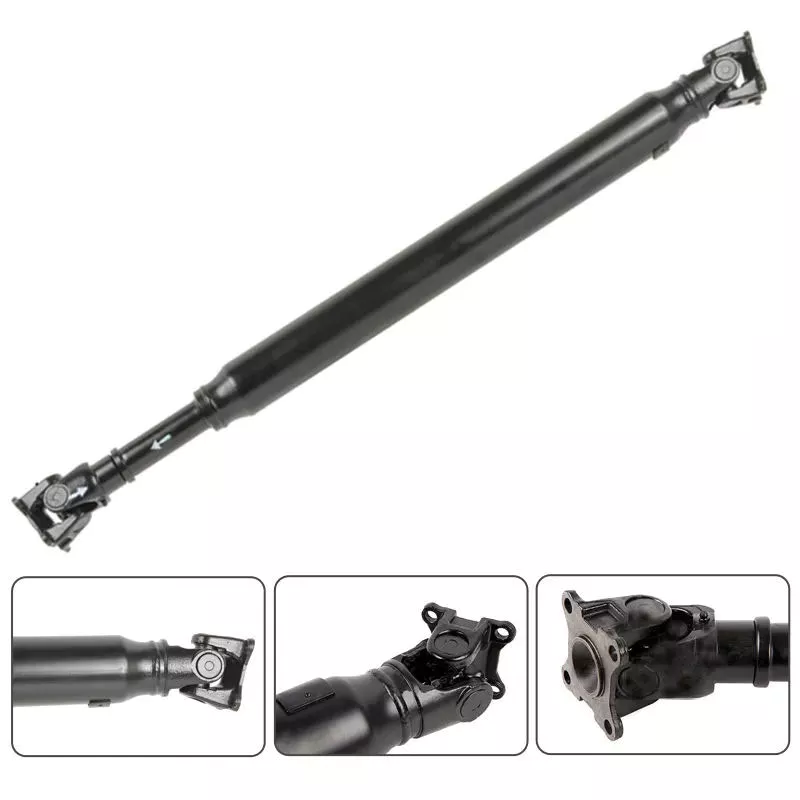
Can drive shafts be customized for specific vehicle or equipment requirements?
Yes, drive shafts can be customized to meet specific vehicle or equipment requirements. Customization allows manufacturers to tailor the design, dimensions, materials, and other parameters of the drive shaft to ensure compatibility and optimal performance within a particular vehicle or equipment. Here’s a detailed explanation of how drive shafts can be customized:
1. Dimensional Customization:
Drive shafts can be customized to match the dimensional requirements of the vehicle or equipment. This includes adjusting the overall length, diameter, and spline configuration to ensure proper fitment and clearances within the specific application. By customizing the dimensions, the drive shaft can be seamlessly integrated into the driveline system without any interference or limitations.
2. Material Selection:
The choice of materials for drive shafts can be customized based on the specific requirements of the vehicle or equipment. Different materials, such as steel alloys, aluminum alloys, or specialized composites, can be selected to optimize strength, weight, and durability. The material selection can be tailored to meet the torque, speed, and operating conditions of the application, ensuring the drive shaft’s reliability and longevity.
3. Joint Configuration:
Drive shafts can be customized with different joint configurations to accommodate specific vehicle or equipment requirements. For example, universal joints (U-joints) may be suitable for applications with lower operating angles and moderate torque demands, while constant velocity (CV) joints are often used in applications requiring higher operating angles and smoother power transmission. The choice of joint configuration depends on factors such as operating angle, torque capacity, and desired performance characteristics.
4. Torque and Power Capacity:
Customization allows drive shafts to be designed with the appropriate torque and power capacity for the specific vehicle or equipment. Manufacturers can analyze the torque requirements, operating conditions, and safety margins of the application to determine the optimal torque rating and power capacity of the drive shaft. This ensures that the drive shaft can handle the required loads without experiencing premature failure or performance issues.
5. Balancing and Vibration Control:
Drive shafts can be customized with precision balancing and vibration control measures. Imbalances in the drive shaft can lead to vibrations, increased wear, and potential driveline issues. By employing dynamic balancing techniques during the manufacturing process, manufacturers can minimize vibrations and ensure smooth operation. Additionally, vibration dampers or isolation systems can be integrated into the drive shaft design to further mitigate vibrations and enhance overall system performance.
6. Integration and Mounting Considerations:
Customization of drive shafts takes into account the integration and mounting requirements of the specific vehicle or equipment. Manufacturers work closely with the vehicle or equipment designers to ensure that the drive shaft fits seamlessly into the driveline system. This includes adapting the mounting points, interfaces, and clearances to ensure proper alignment and installation of the drive shaft within the vehicle or equipment.
7. Collaboration and Feedback:
Manufacturers often collaborate with vehicle manufacturers, OEMs (Original Equipment Manufacturers), or end-users to gather feedback and incorporate their specific requirements into the drive shaft customization process. By actively seeking input and feedback, manufacturers can address specific needs, optimize performance, and ensure compatibility with the vehicle or equipment. This collaborative approach enhances the customization process and results in drive shafts that meet the exact requirements of the application.
8. Compliance with Standards:
Customized drive shafts can be designed to comply with relevant industry standards and regulations. Compliance with standards, such as ISO (International Organization for Standardization) or specific industry standards, ensures that the customized drive shafts meet quality, safety, and performance requirements. Adhering to these standards provides assurance that the drive shafts are compatible and can be seamlessly integrated into the specific vehicle or equipment.
In summary, drive shafts can be customized to meet specific vehicle or equipment requirements through dimensional customization, material selection, joint configuration, torque and power capacity optimization, balancing and vibration control, integration and mounting considerations, collaboration with stakeholders, and compliance with industry standards. Customization allows drive shafts to be precisely tailored to the needs of the application, ensuring compatibility, reliability, and optimal performance.
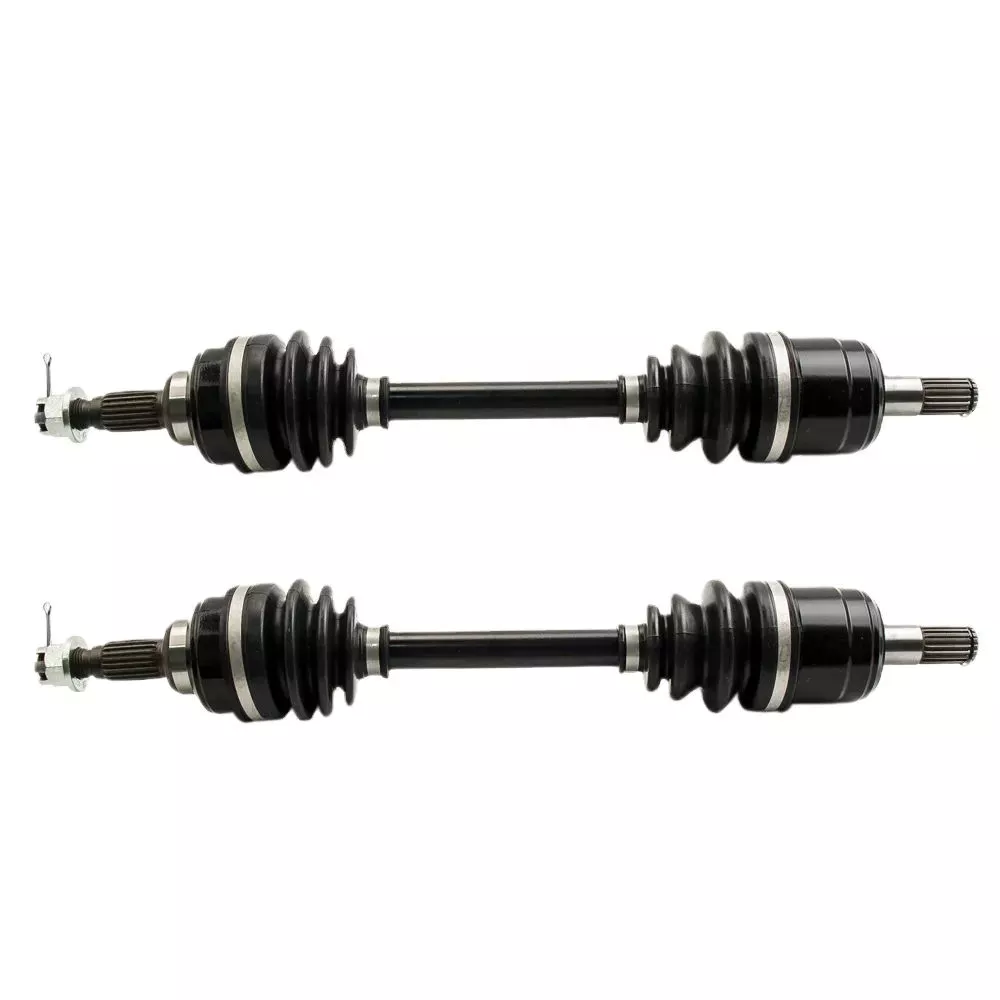
What is a drive shaft and how does it function in vehicles and machinery?
A drive shaft, also known as a propeller shaft or prop shaft, is a mechanical component that plays a critical role in transmitting rotational power from the engine to the wheels or other driven components in vehicles and machinery. It is commonly used in various types of vehicles, including cars, trucks, motorcycles, and agricultural or industrial machinery. Here’s a detailed explanation of what a drive shaft is and how it functions:
1. Definition and Construction: A drive shaft is a cylindrical metal tube that connects the engine or power source to the wheels or driven components. It is typically made of steel or aluminum and consists of one or more tubular sections with universal joints (U-joints) at each end. These U-joints allow for angular movement and compensation of misalignment between the engine/transmission and the driven wheels or components.
2. Power Transmission: The primary function of a drive shaft is to transmit rotational power from the engine or power source to the wheels or driven components. In vehicles, the drive shaft connects the transmission or gearbox output shaft to the differential, which then transfers power to the wheels. In machinery, the drive shaft transfers power from the engine or motor to various driven components such as pumps, generators, or other mechanical systems.
3. Torque and Speed: The drive shaft is responsible for transmitting both torque and rotational speed. Torque is the rotational force generated by the engine or power source, while rotational speed is the number of revolutions per minute (RPM). The drive shaft must be capable of transmitting the required torque without excessive twisting or bending and maintaining the desired rotational speed for efficient operation of the driven components.
4. Flexibele koppeling: The U-joints on the drive shaft provide a flexible coupling that allows for angular movement and compensation of misalignment between the engine/transmission and the driven wheels or components. As the suspension system of a vehicle moves or the machinery operates on uneven terrain, the drive shaft can adjust its length and angle to accommodate these movements, ensuring smooth power transmission and preventing damage to the drivetrain components.
5. Length and Balance: The length of the drive shaft is determined by the distance between the engine or power source and the driven wheels or components. It should be appropriately sized to ensure proper power transmission and avoid excessive vibrations or bending. Additionally, the drive shaft is carefully balanced to minimize vibrations and rotational imbalances, which can cause discomfort, reduce efficiency, and lead to premature wear of drivetrain components.
6. Safety Considerations: Drive shafts in vehicles and machinery require proper safety measures. In vehicles, drive shafts are often enclosed within a protective tube or housing to prevent contact with moving parts and reduce the risk of injury in the event of a malfunction or failure. Additionally, safety shields or guards are commonly installed around exposed drive shafts in machinery to protect operators from potential hazards associated with rotating components.
7. Maintenance and Inspection: Regular maintenance and inspection of drive shafts are essential to ensure their proper functioning and longevity. This includes checking for signs of wear, damage, or excessive play in the U-joints, inspecting the drive shaft for any cracks or deformations, and lubricating the U-joints as recommended by the manufacturer. Proper maintenance helps prevent failures, ensures optimal performance, and prolongs the service life of the drive shaft.
In summary, a drive shaft is a mechanical component that transmits rotational power from the engine or power source to the wheels or driven components in vehicles and machinery. It functions by providing a rigid connection between the engine/transmission and the driven wheels or components, while also allowing for angular movement and compensation of misalignment through the use of U-joints. The drive shaft plays a crucial role in power transmission, torque and speed delivery, flexible coupling, length and balance considerations, safety, and maintenance requirements. Its proper functioning is essential for the smooth and efficient operation of vehicles and machinery.


editor by CX 2023-11-14