Productbeschrijving
Structure: 70#~75# high-carbon steel wire
Direction of Twist: Levorotation and dextrorotation
Applicable Scope: Vibrating machine, automobile, motorbike, counter, revolution counter, electric tools, gardening machinery mower, and various mechanical flexible rotations.
Function: Smooth, flexible, highly-elastic, and wear resistant
| Diameter (mm) |
Tolerance (mm) |
Number of Layers |
Loading Moment (N @ m) (Sample 500mm Long) |
Weight (kg/ 100m) |
|
| 2.0 |
+0.02 -0.02 |
3/5 |
0.8 |
1.8 |
|
| 2.5 |
3/5 |
1.0 |
2.8 |
||
| 3.2 |
3/5 |
1.3 |
4.6 |
||
| 3.8 |
3/5 |
1.5 |
6.5 |
||
| 5.0 |
+0.00 -0.05 |
3/4/5 |
1.8 |
11.3 |
|
| 6.0 |
3/4/5 |
2.4 |
16.2 |
||
| 6.5 |
4/5/7 |
2.9 |
18.7 |
||
| 8.0 |
|
4/5/6/7 |
7.5 |
28.8 |
|
| 10 |
4/5/6/7 |
22.5 |
45.5 |
||
| 12 |
4/5/6/7 |
39.0 |
66.5 |
||
| 13 |
4/5/6/7 |
50.5 |
77.5 |
||
| 16 |
4/5/6/7 |
115.0 |
114 |
||
| 18 |
4/5/6/7 |
160 |
145 |
||
| The flexible shafts not listed in the chart can be customized |
|||||
| Smooth: | Wear Resistant |
|---|---|
| Transport Package: | Cartons, Pallets, Woven Bags. or as Your Request |
| Specification: | ISO9001: 2008, SGS |
| Trademark: | JYG |
| Origin: | Yanggu, Shandong |
| Samples: |
US$ 0/Piece
1 Piece(Min.Order) | |
|---|
| Customization: |
Available
| Customized Request |
|---|
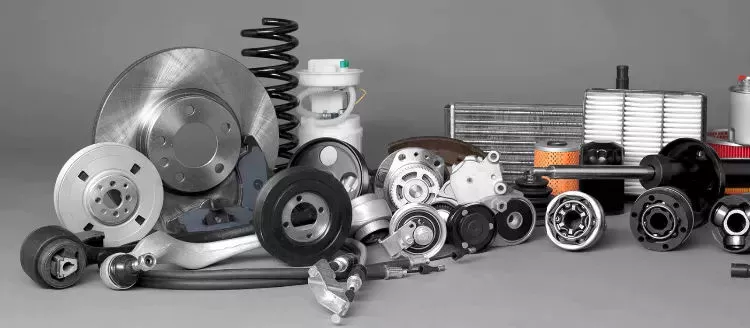
Can drive shafts be adapted for use in both automotive and industrial settings?
Yes, drive shafts can be adapted for use in both automotive and industrial settings. While there may be some differences in design and specifications based on the specific application requirements, the fundamental principles and functions of drive shafts remain applicable in both contexts. Here’s a detailed explanation:
1. Power Transmission:
Drive shafts serve the primary purpose of transmitting rotational power from a power source, such as an engine or motor, to driven components, which can be wheels, machinery, or other mechanical systems. This fundamental function applies to both automotive and industrial settings. Whether it’s delivering power to the wheels of a vehicle or transferring torque to industrial machinery, the basic principle of power transmission remains the same for drive shafts in both contexts.
2. Design Considerations:
While there may be variations in design based on specific applications, the core design considerations for drive shafts are similar in both automotive and industrial settings. Factors such as torque requirements, operating speeds, length, and material selection are taken into account in both cases. Automotive drive shafts are typically designed to accommodate the dynamic nature of vehicle operation, including variations in speed, angles, and suspension movement. Industrial drive shafts, on the other hand, may be designed for specific machinery and equipment, taking into consideration factors such as load capacity, operating conditions, and alignment requirements. However, the underlying principles of ensuring proper dimensions, strength, and balance are essential in both automotive and industrial drive shaft designs.
3. Material Selection:
The material selection for drive shafts is influenced by the specific requirements of the application, whether in automotive or industrial settings. In automotive applications, drive shafts are commonly made from materials such as steel or aluminum alloys, chosen for their strength, durability, and ability to withstand varying operating conditions. In industrial settings, drive shafts may be made from a broader range of materials, including steel, stainless steel, or even specialized alloys, depending on factors such as load capacity, corrosion resistance, or temperature tolerance. The material selection is tailored to meet the specific needs of the application while ensuring efficient power transfer and durability.
4. Joint Configurations:
Both automotive and industrial drive shafts may incorporate various joint configurations to accommodate the specific requirements of the application. Universal joints (U-joints) are commonly used in both contexts to allow for angular movement and compensate for misalignment between the drive shaft and driven components. Constant velocity (CV) joints are also utilized, particularly in automotive drive shafts, to maintain a constant velocity of rotation and accommodate varying operating angles. These joint configurations are adapted and optimized based on the specific needs of automotive or industrial applications.
5. Maintenance and Service:
While maintenance practices may vary between automotive and industrial settings, the importance of regular inspection, lubrication, and balancing remains crucial in both cases. Both automotive and industrial drive shafts benefit from periodic maintenance to ensure optimal performance, identify potential issues, and prolong the lifespan of the drive shafts. Lubrication of joints, inspection for wear or damage, and balancing procedures are common maintenance tasks for drive shafts in both automotive and industrial applications.
6. Customization and Adaptation:
Drive shafts can be customized and adapted to meet the specific requirements of various automotive and industrial applications. Manufacturers often offer drive shafts with different lengths, diameters, and joint configurations to accommodate a wide range of vehicles or machinery. This flexibility allows for the adaptation of drive shafts to suit the specific torque, speed, and dimensional requirements of different applications, whether in automotive or industrial settings.
In summary, drive shafts can be adapted for use in both automotive and industrial settings by considering the specific requirements of each application. While there may be variations in design, materials, joint configurations, and maintenance practices, the fundamental principles of power transmission, design considerations, and customization options remain applicable in both contexts. Drive shafts play a crucial role in both automotive and industrial applications, enabling efficient power transfer and reliable operation in a wide range of mechanical systems.

Can you provide real-world examples of vehicles and machinery that use drive shafts?
Drive shafts are widely used in various vehicles and machinery to transmit power from the engine or power source to the wheels or driven components. Here are some real-world examples of vehicles and machinery that utilize drive shafts:
1. Automobiles:
Drive shafts are commonly found in automobiles, especially those with rear-wheel drive or four-wheel drive systems. In these vehicles, the drive shaft transfers power from the transmission or transfer case to the rear differential or front differential, respectively. This allows the engine’s power to be distributed to the wheels, propelling the vehicle forward.
2. Trucks and Commercial Vehicles:
Drive shafts are essential components in trucks and commercial vehicles. They are used to transfer power from the transmission or transfer case to the rear axle or multiple axles in the case of heavy-duty trucks. Drive shafts in commercial vehicles are designed to handle higher torque loads and are often larger and more robust than those used in passenger cars.
3. Construction and Earthmoving Equipment:
Various types of construction and earthmoving equipment, such as excavators, loaders, bulldozers, and graders, rely on drive shafts for power transmission. These machines typically have complex drivetrain systems that use drive shafts to transfer power from the engine to the wheels or tracks, enabling them to perform heavy-duty tasks on construction sites or in mining operations.
4. Agricultural Machinery:
Agricultural machinery, including tractors, combines, and harvesters, utilize drive shafts to transmit power from the engine to the wheels or driven components. Drive shafts in agricultural machinery are often subjected to demanding conditions and may have additional features such as telescopic sections to accommodate variable distances between components.
5. Industrial Machinery:
Industrial machinery, such as manufacturing equipment, generators, pumps, and compressors, often incorporate drive shafts in their power transmission systems. These drive shafts transfer power from electric motors, engines, or other power sources to various driven components, enabling the machinery to perform specific tasks in industrial settings.
6. Marine Vessels:
In marine applications, drive shafts are commonly used to transmit power from the engine to the propeller in boats, ships, and other watercraft. Marine drive shafts are typically longer and designed to withstand the unique challenges posed by water environments, including corrosion resistance and appropriate sealing mechanisms.
7. Recreational Vehicles (RVs) and Motorhomes:
RVs and motorhomes often employ drive shafts as part of their drivetrain systems. These drive shafts transfer power from the transmission to the rear axle, allowing the vehicle to move and providing propulsion. Drive shafts in RVs may have additional features such as dampers or vibration-reducing components to enhance comfort during travel.
8. Off-Road and Racing Vehicles:
Off-road vehicles, such as SUVs, trucks, and all-terrain vehicles (ATVs), as well as racing vehicles, frequently utilize drive shafts. These drive shafts are designed to withstand the rigors of off-road conditions or high-performance racing, transmitting power efficiently to the wheels and ensuring optimal traction and performance.
9. Railway Rolling Stock:
In railway systems, drive shafts are employed in locomotives and some types of rolling stock. They transfer power from the locomotive’s engine to the wheels or propulsion system, enabling the train to move along the tracks. Railway drive shafts are typically much longer and may have additional features to accommodate the articulated or flexible nature of some train configurations.
10. Wind Turbines:
Large-scale wind turbines used for generating electricity incorporate drive shafts in their power transmission systems. The drive shafts transfer rotational energy from the turbine’s blades to the generator, where it is converted into electrical power. Drive shafts in wind turbines are designed to handle the significant torque and rotational forces generated by the wind.
These examples demonstrate the broad range of vehicles and machinery that rely on drive shafts for efficient power transmission and propulsion. Drive shafts are essential components in various industries, enabling the transfer of power from the source to the driven components, ultimately facilitating movement, operation, or the performance of specific tasks.

Op welke manier dragen aandrijfassen bij aan de overdracht van rotatiekracht in diverse toepassingen?
Aandrijfassen spelen een cruciale rol bij het overbrengen van rotatiekracht van de motor of krachtbron naar de wielen of aangedreven onderdelen in diverse toepassingen. Of het nu in voertuigen of machines is, aandrijfassen maken een efficiënte krachtoverbrenging mogelijk en faciliteren de werking van verschillende systemen. Hier volgt een gedetailleerde uitleg over hoe aandrijfassen bijdragen aan de overdracht van rotatiekracht:
1. Voertuigtoepassingen:
In voertuigen zorgen aandrijfassen ervoor dat de rotatiekracht van de motor naar de wielen wordt overgebracht, waardoor het voertuig kan bewegen. De aandrijfas verbindt de uitgaande as van de versnellingsbak met het differentieel, dat de kracht verder verdeelt over de wielen. Wanneer de motor koppel genereert, wordt dit via de aandrijfas naar de wielen overgebracht, waardoor het voertuig vooruit wordt gestuwd. Deze krachtoverdracht stelt het voertuig in staat te accelereren, snelheid te behouden en weerstand te overwinnen, zoals wrijving en hellingen.
2. Machinetoepassingen:
In machines worden aandrijfassen gebruikt om rotatiekracht van de motor over te brengen naar verschillende aangedreven componenten. In industriële machines worden aandrijfassen bijvoorbeeld gebruikt om kracht over te brengen naar pompen, generatoren, transportbanden of andere mechanische systemen. In landbouwmachines worden aandrijfassen vaak gebruikt om de krachtbron te verbinden met apparatuur zoals oogstmachines, balenpersen of irrigatiesystemen. Aandrijfassen stellen deze machines in staat hun beoogde functies uit te voeren door rotatiekracht te leveren aan de benodigde componenten.
3. Krachtoverbrenging:
Aandrijfassen zijn ontworpen om rotatiekracht efficiënt en betrouwbaar over te brengen. Ze zijn in staat om aanzienlijke hoeveelheden koppel van de motor naar de wielen of aangedreven onderdelen over te brengen. Het door de motor gegenereerde koppel wordt via de aandrijfas overgebracht zonder noemenswaardig vermogensverlies. Door een starre verbinding tussen de motor en de aangedreven onderdelen te behouden, zorgen aandrijfassen ervoor dat het door de motor geproduceerde vermogen effectief wordt benut voor nuttig werk.
4. Flexibele koppeling:
Een van de belangrijkste functies van aandrijfassen is het bieden van een flexibele verbinding tussen de motor/transmissie en de wielen of aangedreven componenten. Deze flexibiliteit stelt de aandrijfas in staat om hoekbewegingen op te vangen en uitlijningsfouten tussen de motor en het aangedreven systeem te compenseren. In voertuigen past de aandrijfas, wanneer het veersysteem beweegt of de wielen oneffenheden in het terrein tegenkomen, zijn lengte en hoek aan om een constante krachtoverbrenging te behouden. Deze flexibiliteit helpt overmatige belasting van de aandrijflijncomponenten te voorkomen en zorgt voor een soepele krachtoverbrenging.
5. Koppel- en snelheidsoverdracht:
Aandrijfassen zijn verantwoordelijk voor het overbrengen van zowel koppel als rotatiesnelheid. Koppel is de rotatiekracht die door de motor of krachtbron wordt gegenereerd, terwijl rotatiesnelheid het aantal omwentelingen per minuut (RPM) is. Aandrijfassen moeten het koppel dat nodig is voor de toepassing aankunnen zonder overmatige torsie of buiging. Bovendien moeten ze de gewenste rotatiesnelheid behouden om de juiste werking van de aangedreven componenten te garanderen. Een goed ontwerp, materiaalkeuze en balanceren van de aandrijfassen dragen bij aan een efficiënte overdracht van koppel en snelheid.
6. Lengte en balans:
De lengte en balans van aandrijfassen zijn cruciale factoren voor hun prestaties. De lengte van de aandrijfas wordt bepaald door de afstand tussen de motor of krachtbron en de aangedreven componenten. Deze moet de juiste afmetingen hebben om overmatige trillingen of buiging te voorkomen. Aandrijfassen worden zorgvuldig gebalanceerd om trillingen en rotatieonbalans te minimaliseren, die de algehele prestaties, het comfort en de levensduur van het aandrijfsysteem kunnen beïnvloeden.
7. Veiligheid en onderhoud:
Aandrijfassen vereisen de juiste veiligheidsmaatregelen en regelmatig onderhoud. In voertuigen zijn aandrijfassen vaak ingesloten in een beschermende buis of behuizing om contact met bewegende onderdelen te voorkomen en zo het risico op letsel te verkleinen. Ook kunnen er veiligheidsschermen of -afschermingen rond blootliggende aandrijfassen in machines worden aangebracht om operators te beschermen tegen mogelijke gevaren. Regelmatig onderhoud omvat het inspecteren van de aandrijfas op slijtage, beschadigingen of verkeerde uitlijning, en het zorgen voor een goede smering van de kruiskoppelingen. Deze maatregelen helpen storingen te voorkomen, zorgen voor optimale prestaties en verlengen de levensduur van de aandrijfas.
Samenvattend spelen aandrijfassen een essentiële rol bij de overdracht van rotatiekracht in diverse toepassingen. Of het nu gaat om voertuigen of machines, aandrijfassen maken een efficiënte krachtoverbrenging mogelijk van de motor of krachtbron naar de wielen of aangedreven componenten. Ze zorgen voor een flexibele koppeling, regelen koppel- en snelheidsoverdracht, maken hoekbewegingen mogelijk en dragen bij aan de veiligheid en het onderhoud van het systeem. Door de effectieve overdracht van rotatiekracht faciliteren aandrijfassen de werking en prestaties van voertuigen en machines in tal van industrieën.


editor by CX 2023-10-09