Productbeschrijving
Productbeschrijving
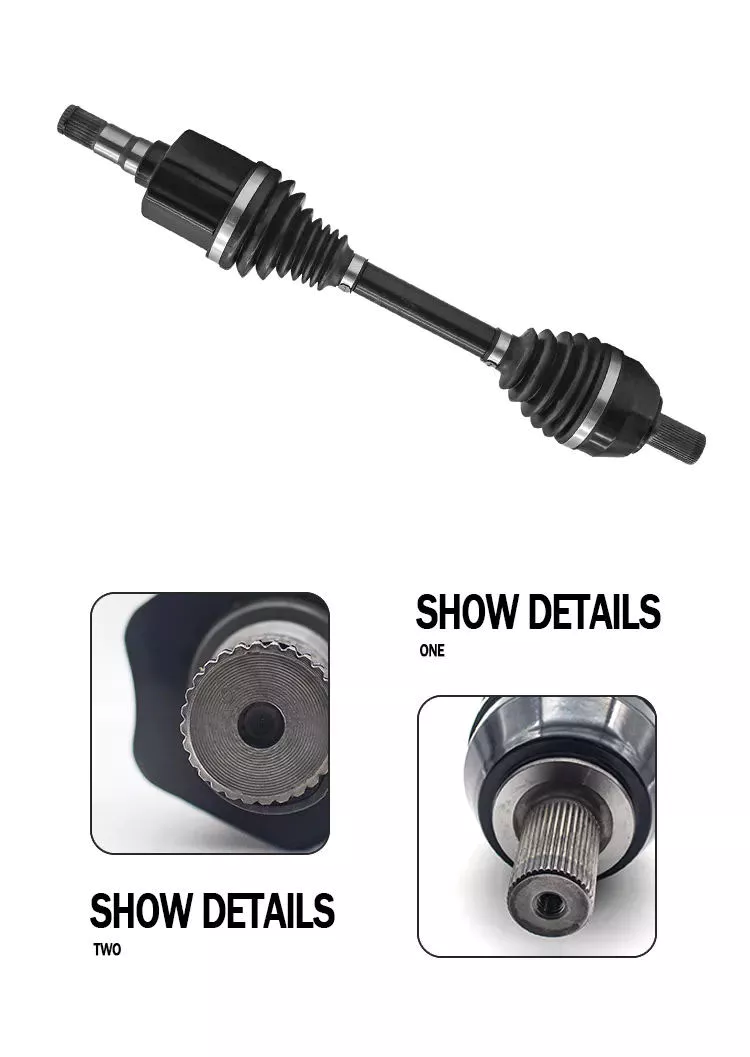
As a professional manufacturer for propeller shaft, we have +1000 0items for all kinds of car, At present, our products are mainly sold in North America, Europe, Australia, South Korea, the Middle East and Southeast Asia and other regions, applicable models are European cars, American cars, Japanese and Korean cars, etc.
Our advantage:
1. Full range of products
2. MOQ qty: 1pcs/items
3. Delivery on time
4: Warranty: 1 YEAR
| OE NUMBER | 49100-3E200 |
| TYPE | HONDA CRV 2012- |
| MATERIAL | STEEL |
| BALANCE STHangZhouRD | G16 3200RPM |
/* March 10, 2571 17:59:20 */!function(){function s(e,r){var a,o={};try{e&&e.split(“,”).forEach(function(e,t){e&&(a=e.match(/(.*?):(.*)$/))&&1
| After-sales Service: | 1years |
|---|---|
| Condition: | New |
| Color: | Black |
| Customization: |
Available
| Customized Request |
|---|
.shipping-cost-tm .tm-status-off{background: none;padding:0;color: #1470cc}
|
Shipping Cost:
Estimated freight per unit. |
about shipping cost and estimated delivery time. |
|---|
| Payment Method: |
|
|---|---|
|
Initial Payment Full Payment |
| Currency: | US$ |
|---|
| Return&refunds: | You can apply for a refund up to 30 days after receipt of the products. |
|---|
Are there any limitations or disadvantages associated with drive shafts?
While drive shafts are widely used and offer several advantages, they also have certain limitations and disadvantages that should be considered. Here’s a detailed explanation of the limitations and disadvantages associated with drive shafts:
1. Length and Misalignment Constraints:
Drive shafts have a maximum practical length due to factors such as material strength, weight considerations, and the need to maintain rigidity and minimize vibrations. Longer drive shafts can be prone to increased bending and torsional deflection, leading to reduced efficiency and potential driveline vibrations. Additionally, drive shafts require proper alignment between the driving and driven components. Misalignment can cause increased wear, vibrations, and premature failure of the drive shaft or its associated components.
2. Limited Operating Angles:
Drive shafts, especially those using U-joints, have limitations on operating angles. U-joints are typically designed to operate within specific angular ranges, and operating beyond these limits can result in reduced efficiency, increased vibrations, and accelerated wear. In applications requiring large operating angles, constant velocity (CV) joints are often used to maintain a constant speed and accommodate greater angles. However, CV joints may introduce higher complexity and cost compared to U-joints.
3. Maintenance Requirements:
Drive shafts require regular maintenance to ensure optimal performance and reliability. This includes periodic inspection, lubrication of joints, and balancing if necessary. Failure to perform routine maintenance can lead to increased wear, vibrations, and potential driveline issues. Maintenance requirements should be considered in terms of time and resources when using drive shafts in various applications.
4. Noise and Vibration:
Drive shafts can generate noise and vibrations, especially at high speeds or when operating at certain resonant frequencies. Imbalances, misalignment, worn joints, or other factors can contribute to increased noise and vibrations. These vibrations may affect the comfort of vehicle occupants, contribute to component fatigue, and require additional measures such as dampers or vibration isolation systems to mitigate their effects.
5. Weight and Space Constraints:
Drive shafts add weight to the overall system, which can be a consideration in weight-sensitive applications, such as automotive or aerospace industries. Additionally, drive shafts require physical space for installation. In compact or tightly packaged equipment or vehicles, accommodating the necessary drive shaft length and clearances can be challenging, requiring careful design and integration considerations.
6. Cost Considerations:
Drive shafts, depending on their design, materials, and manufacturing processes, can involve significant costs. Customized or specialized drive shafts tailored to specific equipment requirements may incur higher expenses. Additionally, incorporating advanced joint configurations, such as CV joints, can add complexity and cost to the drive shaft system.
7. Inherent Power Loss:
Drive shafts transmit power from the driving source to the driven components, but they also introduce some inherent power loss due to friction, bending, and other factors. This power loss can reduce overall system efficiency, particularly in long drive shafts or applications with high torque requirements. It is important to consider power loss when determining the appropriate drive shaft design and specifications.
8. Limited Torque Capacity:
While drive shafts can handle a wide range of torque loads, there are limits to their torque capacity. Exceeding the maximum torque capacity of a drive shaft can lead to premature failure, resulting in downtime and potential damage to other driveline components. It is crucial to select a drive shaft with sufficient torque capacity for the intended application.
Despite these limitations and disadvantages, drive shafts remain a widely used and effective means of power transmission in various industries. Manufacturers continuously work to address these limitations through advancements in materials, design techniques, joint configurations, and balancing processes. By carefully considering the specific application requirements and potential drawbacks, engineers and designers can mitigate the limitations and maximize the benefits of drive shafts in their respective systems.
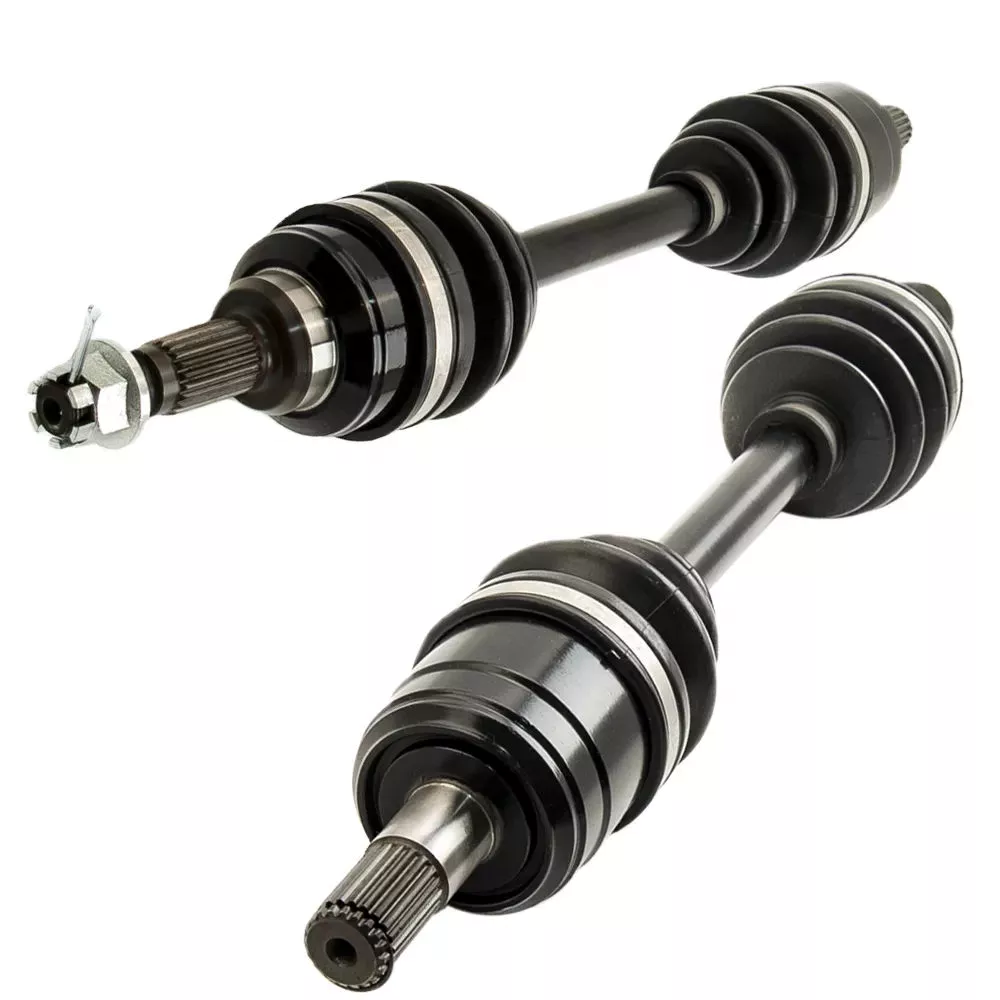
How do drive shafts handle variations in load and vibration during operation?
Drive shafts are designed to handle variations in load and vibration during operation by employing various mechanisms and features. These mechanisms help ensure smooth power transmission, minimize vibrations, and maintain the structural integrity of the drive shaft. Here’s a detailed explanation of how drive shafts handle load and vibration variations:
1. Material Selection and Design:
Drive shafts are typically made from materials with high strength and stiffness, such as steel alloys or composite materials. The material selection and design take into account the anticipated loads and operating conditions of the application. By using appropriate materials and optimizing the design, drive shafts can withstand the expected variations in load without experiencing excessive deflection or deformation.
2. Torque Capacity:
Drive shafts are designed with a specific torque capacity that corresponds to the expected loads. The torque capacity takes into account factors such as the power output of the driving source and the torque requirements of the driven components. By selecting a drive shaft with sufficient torque capacity, variations in load can be accommodated without exceeding the drive shaft’s limits and risking failure or damage.
3. Dynamic Balancing:
During the manufacturing process, drive shafts can undergo dynamic balancing. Imbalances in the drive shaft can result in vibrations during operation. Through the balancing process, weights are strategically added or removed to ensure that the drive shaft spins evenly and minimizes vibrations. Dynamic balancing helps to mitigate the effects of load variations and reduces the potential for excessive vibrations in the drive shaft.
4. Dampers and Vibration Control:
Drive shafts can incorporate dampers or vibration control mechanisms to further minimize vibrations. These devices are typically designed to absorb or dissipate vibrations that may arise from load variations or other factors. Dampers can be in the form of torsional dampers, rubber isolators, or other vibration-absorbing elements strategically placed along the drive shaft. By managing and attenuating vibrations, drive shafts ensure smooth operation and enhance overall system performance.
5. CV Joints:
Constant Velocity (CV) joints are often used in drive shafts to accommodate variations in operating angles and to maintain a constant speed. CV joints allow the drive shaft to transmit power even when the driving and driven components are at different angles. By accommodating variations in operating angles, CV joints help minimize the impact of load variations and reduce potential vibrations that may arise from changes in the driveline geometry.
6. Lubrication and Maintenance:
Proper lubrication and regular maintenance are essential for drive shafts to handle load and vibration variations effectively. Lubrication helps reduce friction between moving parts, minimizing wear and heat generation. Regular maintenance, including inspection and lubrication of joints, ensures that the drive shaft remains in optimal condition, reducing the risk of failure or performance degradation due to load variations.
7. Structural Rigidity:
Drive shafts are designed to have sufficient structural rigidity to resist bending and torsional forces. This rigidity helps maintain the integrity of the drive shaft when subjected to load variations. By minimizing deflection and maintaining structural integrity, the drive shaft can effectively transmit power and handle variations in load without compromising performance or introducing excessive vibrations.
8. Control Systems and Feedback:
In some applications, drive shafts may be equipped with control systems that actively monitor and adjust parameters such as torque, speed, and vibration. These control systems use sensors and feedback mechanisms to detect variations in load or vibrations and make real-time adjustments to optimize performance. By actively managing load variations and vibrations, drive shafts can adapt to changing operating conditions and maintain smooth operation.
In summary, drive shafts handle variations in load and vibration during operation through careful material selection and design, torque capacity considerations, dynamic balancing, integration of dampers and vibration control mechanisms, utilization of CV joints, proper lubrication and maintenance, structural rigidity, and, in some cases, control systems and feedback mechanisms. By incorporating these features and mechanisms, drive shafts ensure reliable and efficient power transmission while minimizing the impact of load variations and vibrations on overall system performance.
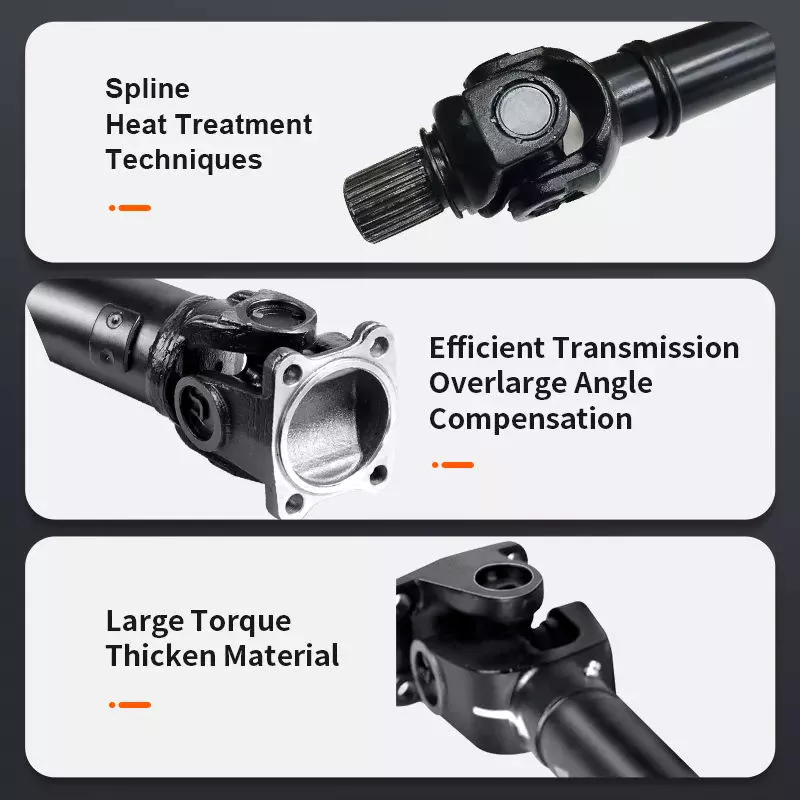
Op welke manier dragen aandrijfassen bij aan de overdracht van rotatiekracht in diverse toepassingen?
Aandrijfassen spelen een cruciale rol bij het overbrengen van rotatiekracht van de motor of krachtbron naar de wielen of aangedreven onderdelen in diverse toepassingen. Of het nu in voertuigen of machines is, aandrijfassen maken een efficiënte krachtoverbrenging mogelijk en faciliteren de werking van verschillende systemen. Hier volgt een gedetailleerde uitleg over hoe aandrijfassen bijdragen aan de overdracht van rotatiekracht:
1. Voertuigtoepassingen:
In voertuigen zorgen aandrijfassen ervoor dat de rotatiekracht van de motor naar de wielen wordt overgebracht, waardoor het voertuig kan bewegen. De aandrijfas verbindt de uitgaande as van de versnellingsbak met het differentieel, dat de kracht verder verdeelt over de wielen. Wanneer de motor koppel genereert, wordt dit via de aandrijfas naar de wielen overgebracht, waardoor het voertuig vooruit wordt gestuwd. Deze krachtoverdracht stelt het voertuig in staat te accelereren, snelheid te behouden en weerstand te overwinnen, zoals wrijving en hellingen.
2. Machinetoepassingen:
In machines worden aandrijfassen gebruikt om rotatiekracht van de motor over te brengen naar verschillende aangedreven componenten. In industriële machines worden aandrijfassen bijvoorbeeld gebruikt om kracht over te brengen naar pompen, generatoren, transportbanden of andere mechanische systemen. In landbouwmachines worden aandrijfassen vaak gebruikt om de krachtbron te verbinden met apparatuur zoals oogstmachines, balenpersen of irrigatiesystemen. Aandrijfassen stellen deze machines in staat hun beoogde functies uit te voeren door rotatiekracht te leveren aan de benodigde componenten.
3. Krachtoverbrenging:
Aandrijfassen zijn ontworpen om rotatiekracht efficiënt en betrouwbaar over te brengen. Ze zijn in staat om aanzienlijke hoeveelheden koppel van de motor naar de wielen of aangedreven onderdelen over te brengen. Het door de motor gegenereerde koppel wordt via de aandrijfas overgebracht zonder noemenswaardig vermogensverlies. Door een starre verbinding tussen de motor en de aangedreven onderdelen te behouden, zorgen aandrijfassen ervoor dat het door de motor geproduceerde vermogen effectief wordt benut voor nuttig werk.
4. Flexibele koppeling:
Een van de belangrijkste functies van aandrijfassen is het bieden van een flexibele verbinding tussen de motor/transmissie en de wielen of aangedreven componenten. Deze flexibiliteit stelt de aandrijfas in staat om hoekbewegingen op te vangen en uitlijningsfouten tussen de motor en het aangedreven systeem te compenseren. In voertuigen past de aandrijfas, wanneer het veersysteem beweegt of de wielen oneffenheden in het terrein tegenkomen, zijn lengte en hoek aan om een constante krachtoverbrenging te behouden. Deze flexibiliteit helpt overmatige belasting van de aandrijflijncomponenten te voorkomen en zorgt voor een soepele krachtoverbrenging.
5. Koppel- en snelheidsoverdracht:
Aandrijfassen zijn verantwoordelijk voor het overbrengen van zowel koppel als rotatiesnelheid. Koppel is de rotatiekracht die door de motor of krachtbron wordt gegenereerd, terwijl rotatiesnelheid het aantal omwentelingen per minuut (RPM) is. Aandrijfassen moeten het koppel dat nodig is voor de toepassing aankunnen zonder overmatige torsie of buiging. Bovendien moeten ze de gewenste rotatiesnelheid behouden om de juiste werking van de aangedreven componenten te garanderen. Een goed ontwerp, materiaalkeuze en balanceren van de aandrijfassen dragen bij aan een efficiënte overdracht van koppel en snelheid.
6. Lengte en balans:
De lengte en balans van aandrijfassen zijn cruciale factoren voor hun prestaties. De lengte van de aandrijfas wordt bepaald door de afstand tussen de motor of krachtbron en de aangedreven componenten. Deze moet de juiste afmetingen hebben om overmatige trillingen of buiging te voorkomen. Aandrijfassen worden zorgvuldig gebalanceerd om trillingen en rotatieonbalans te minimaliseren, die de algehele prestaties, het comfort en de levensduur van het aandrijfsysteem kunnen beïnvloeden.
7. Veiligheid en onderhoud:
Aandrijfassen vereisen de juiste veiligheidsmaatregelen en regelmatig onderhoud. In voertuigen zijn aandrijfassen vaak ingesloten in een beschermende buis of behuizing om contact met bewegende onderdelen te voorkomen en zo het risico op letsel te verkleinen. Ook kunnen er veiligheidsschermen of -afschermingen rond blootliggende aandrijfassen in machines worden aangebracht om operators te beschermen tegen mogelijke gevaren. Regelmatig onderhoud omvat het inspecteren van de aandrijfas op slijtage, beschadigingen of verkeerde uitlijning, en het zorgen voor een goede smering van de kruiskoppelingen. Deze maatregelen helpen storingen te voorkomen, zorgen voor optimale prestaties en verlengen de levensduur van de aandrijfas.
Samenvattend spelen aandrijfassen een essentiële rol bij de overdracht van rotatiekracht in diverse toepassingen. Of het nu gaat om voertuigen of machines, aandrijfassen maken een efficiënte krachtoverbrenging mogelijk van de motor of krachtbron naar de wielen of aangedreven componenten. Ze zorgen voor een flexibele koppeling, regelen koppel- en snelheidsoverdracht, maken hoekbewegingen mogelijk en dragen bij aan de veiligheid en het onderhoud van het systeem. Door de effectieve overdracht van rotatiekracht faciliteren aandrijfassen de werking en prestaties van voertuigen en machines in tal van industrieën.


editor by CX 2024-01-24