Productbeschrijving
Productbeschrijving
Product data
|
Product Name |
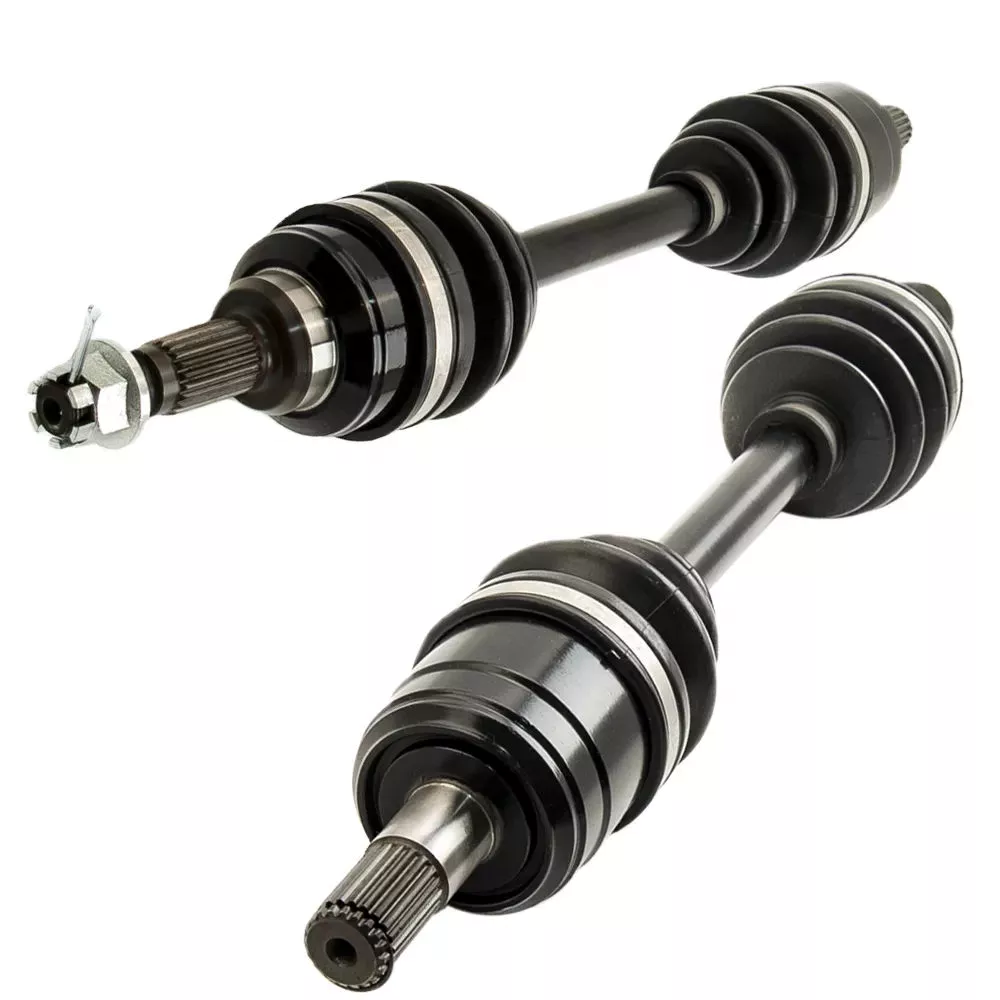
OEM 718 7180152 Auto Parts Car Drive Shaft For CZPT Daily II 1989-1996 |
|
Car Model |
For CZPT Daily II 1989-1996 For CZPT Daily III 1999-2 7180152 |
|
Material |
Metal |
|
Weight |
OEM Standard |
|
Size |
OEM Standard |
|
MOQ |
1 piece if we have them in stock, 50 pieces for production. |
|
Warranty |
12 Months |
|
Delivery Time |
7-25 Days |
|
Package |
Neutral, CZPT or Customized Packing is acceptable Neutral packing. Neutral box and brown cartons. Pallet is also available. |
|
Our Advantage |
1. The same size as original one. 2. Lower MOQ is acceptable with more models. |
Company Profile
/* January 22, 2571 19:08:37 */!function(){function s(e,r){var a,o={};try{e&&e.split(“,”).forEach(function(e,t){e&&(a=e.match(/(.*?):(.*)$/))&&1
| After-sales Service: | 24 Hours Service |
|---|---|
| Condition: | New |
| Color: | Silver |
| Customization: |
Available
| Customized Request |
|---|
.shipping-cost-tm .tm-status-off{background: none;padding:0;color: #1470cc}
|
Shipping Cost:
Estimated freight per unit. |
about shipping cost and estimated delivery time. |
|---|
| Payment Method: |
|
|---|---|
|
Initial Payment Full Payment |
| Currency: | US$ |
|---|
| Return&refunds: | You can apply for a refund up to 30 days after receipt of the products. |
|---|
Hoe gaan aandrijfassen om met variaties in snelheid en koppel tijdens gebruik?
Aandrijfassen zijn ontworpen om variaties in snelheid en koppel tijdens bedrijf op te vangen door middel van specifieke mechanismen en configuraties. Deze mechanismen stellen de aandrijfassen in staat om zich aan te passen aan de veranderende eisen van de krachtoverbrenging, terwijl een soepele en efficiënte werking behouden blijft. Hieronder volgt een gedetailleerde uitleg over hoe aandrijfassen variaties in snelheid en koppel verwerken:
1. Flexibele koppelingen:
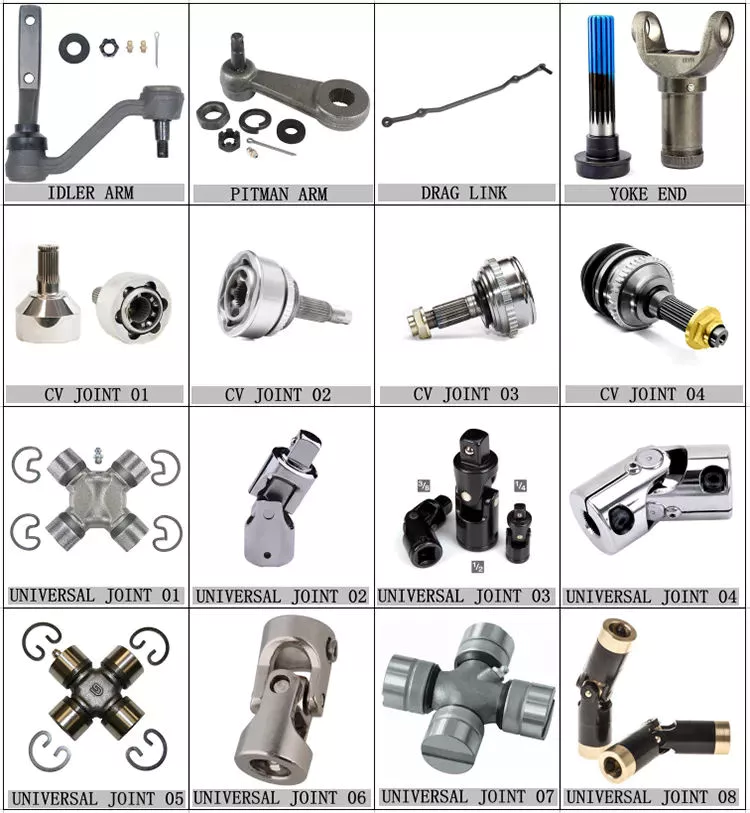
Aandrijfassen bevatten vaak flexibele koppelingen, zoals kruiskoppelingen (U-koppelingen) of homokinetische koppelingen (CV-koppelingen), om variaties in snelheid en koppel op te vangen. Deze koppelingen bieden flexibiliteit en zorgen ervoor dat de aandrijfas kracht kan overbrengen, zelfs wanneer de aandrijvende en aangedreven componenten niet perfect zijn uitgelijnd. Kruiskoppelingen bestaan uit twee jukken die met elkaar verbonden zijn door een kruisvormig lager, waardoor hoekbeweging tussen de delen van de aandrijfas mogelijk is. Deze flexibiliteit vangt variaties in snelheid en koppel op en compenseert voor uitlijningsfouten. Homokinetische koppelingen, die veelvuldig worden gebruikt in aandrijfassen van auto's, handhaven een constante rotatiesnelheid terwijl ze veranderende werkingshoeken opvangen. Deze flexibele koppelingen maken een soepele krachtoverbrenging mogelijk en verminderen trillingen en slijtage veroorzaakt door variaties in snelheid en koppel.
2. Schuifverbindingen:
In sommige aandrijfasconstructies worden schuifverbindingen toegepast om variaties in lengte op te vangen en veranderingen in de afstand tussen de aandrijvende en aangedreven componenten te compenseren. Een schuifverbinding bestaat uit een binnen- en een buitenbuis met spiebanen of een telescopisch mechanisme. Wanneer de aandrijfas lengteveranderingen ondergaat als gevolg van bewegingen van de ophanging of andere factoren, zorgt de schuifverbinding ervoor dat de as kan uitschuiven of inkrimpen zonder de krachtoverbrenging te beïnvloeden. Door axiale beweging mogelijk te maken, helpen schuifverbindingen vastlopen of overmatige spanning op de aandrijfas te voorkomen bij variaties in snelheid en koppel, waardoor een soepele werking wordt gegarandeerd.
3. Evenwicht vinden:
Aandrijfassen ondergaan balanceerprocedures om hun prestaties te optimaliseren en trillingen als gevolg van snelheids- en koppelvariaties te minimaliseren. Onevenwichtigheden in de aandrijfas kunnen leiden tot trillingen, die niet alleen het comfort van de inzittenden beïnvloeden, maar ook de slijtage van de as en de bijbehorende onderdelen verhogen. Balanceren houdt in dat de massa over de aandrijfas wordt herverdeeld om een gelijkmatige gewichtsverdeling te bereiken, waardoor trillingen worden verminderd en de algehele prestaties verbeteren. Dynamisch balanceren, waarbij doorgaans kleine gewichten worden toegevoegd of verwijderd, zorgt ervoor dat de aandrijfas soepel blijft werken, zelfs bij wisselende snelheden en koppelbelastingen.
4. Materiaalkeuze en ontwerp:
De materiaalkeuze en het ontwerp van aandrijfassen spelen een cruciale rol bij het opvangen van variaties in snelheid en koppel. Aandrijfassen worden doorgaans gemaakt van zeer sterke materialen, zoals staal of aluminiumlegeringen, die worden gekozen vanwege hun vermogen om de krachten en spanningen te weerstaan die gepaard gaan met wisselende bedrijfsomstandigheden. De diameter en wanddikte van de aandrijfas worden ook zorgvuldig bepaald om voldoende sterkte en stijfheid te garanderen. Daarnaast wordt bij het ontwerp rekening gehouden met factoren zoals de kritische snelheid, torsiestijfheid en het voorkomen van resonantie, die bijdragen aan het behoud van stabiliteit en prestaties bij variaties in snelheid en koppel.
5. Smering:
Een goede smering is essentieel voor aandrijfassen om variaties in snelheid en koppel op te vangen. Het smeren van de verbindingen, zoals kruiskoppelingen of homokinetische koppelingen, vermindert wrijving en warmteontwikkeling tijdens gebruik, wat zorgt voor een soepele beweging en minimale slijtage. Voldoende smering voorkomt ook dat onderdelen vastlopen, waardoor de aandrijfas snelheids- en koppelvariaties beter kan opvangen. Regelmatig onderhoud met smering is noodzakelijk om optimale prestaties te garanderen en de levensduur van de aandrijfas te verlengen.
6. Systeemmonitoring:
Het is belangrijk om de prestaties van het aandrijfassysteem te controleren om eventuele problemen met variaties in snelheid en koppel te identificeren. Ongebruikelijke trillingen, geluiden of veranderingen in de krachtoverbrenging kunnen wijzen op potentiële problemen met de aandrijfas. Regelmatige inspecties en onderhoudscontroles maken het mogelijk om problemen vroegtijdig op te sporen en op te lossen, waardoor verdere schade wordt voorkomen en de aandrijfas de variaties in snelheid en koppel effectief blijft verwerken.
Samenvattend kunnen aandrijfassen variaties in snelheid en koppel tijdens bedrijf opvangen door middel van flexibele koppelingen, schuifverbindingen, balanceerprocedures, de juiste materiaalkeuze en -ontwerp, smering en systeemmonitoring. Deze mechanismen en werkwijzen stellen de aandrijfas in staat om uitlijningsfouten, lengteveranderingen en variaties in vermogensbehoefte op te vangen, waardoor een efficiënte krachtoverbrenging, een soepele werking en minder slijtage in diverse toepassingen worden gegarandeerd.
How do drive shafts handle variations in load and vibration during operation?
Drive shafts are designed to handle variations in load and vibration during operation by employing various mechanisms and features. These mechanisms help ensure smooth power transmission, minimize vibrations, and maintain the structural integrity of the drive shaft. Here’s a detailed explanation of how drive shafts handle load and vibration variations:
1. Material Selection and Design:
Drive shafts are typically made from materials with high strength and stiffness, such as steel alloys or composite materials. The material selection and design take into account the anticipated loads and operating conditions of the application. By using appropriate materials and optimizing the design, drive shafts can withstand the expected variations in load without experiencing excessive deflection or deformation.
2. Torque Capacity:
Drive shafts are designed with a specific torque capacity that corresponds to the expected loads. The torque capacity takes into account factors such as the power output of the driving source and the torque requirements of the driven components. By selecting a drive shaft with sufficient torque capacity, variations in load can be accommodated without exceeding the drive shaft’s limits and risking failure or damage.
3. Dynamic Balancing:
During the manufacturing process, drive shafts can undergo dynamic balancing. Imbalances in the drive shaft can result in vibrations during operation. Through the balancing process, weights are strategically added or removed to ensure that the drive shaft spins evenly and minimizes vibrations. Dynamic balancing helps to mitigate the effects of load variations and reduces the potential for excessive vibrations in the drive shaft.
4. Dampers and Vibration Control:
Drive shafts can incorporate dampers or vibration control mechanisms to further minimize vibrations. These devices are typically designed to absorb or dissipate vibrations that may arise from load variations or other factors. Dampers can be in the form of torsional dampers, rubber isolators, or other vibration-absorbing elements strategically placed along the drive shaft. By managing and attenuating vibrations, drive shafts ensure smooth operation and enhance overall system performance.
5. CV Joints:
Constant Velocity (CV) joints are often used in drive shafts to accommodate variations in operating angles and to maintain a constant speed. CV joints allow the drive shaft to transmit power even when the driving and driven components are at different angles. By accommodating variations in operating angles, CV joints help minimize the impact of load variations and reduce potential vibrations that may arise from changes in the driveline geometry.
6. Lubrication and Maintenance:
Proper lubrication and regular maintenance are essential for drive shafts to handle load and vibration variations effectively. Lubrication helps reduce friction between moving parts, minimizing wear and heat generation. Regular maintenance, including inspection and lubrication of joints, ensures that the drive shaft remains in optimal condition, reducing the risk of failure or performance degradation due to load variations.
7. Structural Rigidity:
Drive shafts are designed to have sufficient structural rigidity to resist bending and torsional forces. This rigidity helps maintain the integrity of the drive shaft when subjected to load variations. By minimizing deflection and maintaining structural integrity, the drive shaft can effectively transmit power and handle variations in load without compromising performance or introducing excessive vibrations.
8. Control Systems and Feedback:
In some applications, drive shafts may be equipped with control systems that actively monitor and adjust parameters such as torque, speed, and vibration. These control systems use sensors and feedback mechanisms to detect variations in load or vibrations and make real-time adjustments to optimize performance. By actively managing load variations and vibrations, drive shafts can adapt to changing operating conditions and maintain smooth operation.
In summary, drive shafts handle variations in load and vibration during operation through careful material selection and design, torque capacity considerations, dynamic balancing, integration of dampers and vibration control mechanisms, utilization of CV joints, proper lubrication and maintenance, structural rigidity, and, in some cases, control systems and feedback mechanisms. By incorporating these features and mechanisms, drive shafts ensure reliable and efficient power transmission while minimizing the impact of load variations and vibrations on overall system performance.

Can you explain the different types of drive shafts and their specific applications?
Drive shafts come in various types, each designed to suit specific applications and requirements. The choice of drive shaft depends on factors such as the type of vehicle or equipment, power transmission needs, space limitations, and operating conditions. Here’s an explanation of the different types of drive shafts and their specific applications:
1. Solid Shaft:
A solid shaft, also known as a one-piece or solid-steel drive shaft, is a single, uninterrupted shaft that runs from the engine or power source to the driven components. It is a simple and robust design used in many applications. Solid shafts are commonly found in rear-wheel-drive vehicles, where they transmit power from the transmission to the rear axle. They are also used in industrial machinery, such as pumps, generators, and conveyors, where a straight and rigid power transmission is required.
2. Tubular Shaft:
Tubular shafts, also called hollow shafts, are drive shafts with a cylindrical tube-like structure. They are constructed with a hollow core and are typically lighter than solid shafts. Tubular shafts offer benefits such as reduced weight, improved torsional stiffness, and better damping of vibrations. They find applications in various vehicles, including cars, trucks, and motorcycles, as well as in industrial equipment and machinery. Tubular drive shafts are commonly used in front-wheel-drive vehicles, where they connect the transmission to the front wheels.
3. Constant Velocity (CV) Shaft:
Constant Velocity (CV) shafts are specifically designed to handle angular movement and maintain a constant velocity between the engine/transmission and the driven components. They incorporate CV joints at both ends, which allow flexibility and compensation for changes in angle. CV shafts are commonly used in front-wheel-drive and all-wheel-drive vehicles, as well as in off-road vehicles and certain heavy machinery. The CV joints enable smooth power transmission even when the wheels are turned or the suspension moves, reducing vibrations and improving overall performance.
4. Slip Joint Shaft:
Slip joint shafts, also known as telescopic shafts, consist of two or more tubular sections that can slide in and out of each other. This design allows for length adjustment, accommodating changes in distance between the engine/transmission and the driven components. Slip joint shafts are commonly used in vehicles with long wheelbases or adjustable suspension systems, such as some trucks, buses, and recreational vehicles. By providing flexibility in length, slip joint shafts ensure a constant power transfer, even when the vehicle chassis experiences movement or changes in suspension geometry.
5. Double Cardan Shaft:
A double Cardan shaft, also referred to as a double universal joint shaft, is a type of drive shaft that incorporates two universal joints. This configuration helps to reduce vibrations and minimize the operating angles of the joints, resulting in smoother power transmission. Double Cardan shafts are commonly used in heavy-duty applications, such as trucks, off-road vehicles, and agricultural machinery. They are particularly suitable for applications with high torque requirements and large operating angles, providing enhanced durability and performance.
6. Composite Shaft:
Composite shafts are made from composite materials such as carbon fiber or fiberglass, offering advantages such as reduced weight, improved strength, and resistance to corrosion. Composite drive shafts are increasingly being used in high-performance vehicles, sports cars, and racing applications, where weight reduction and enhanced power-to-weight ratio are critical. The composite construction allows for precise tuning of stiffness and damping characteristics, resulting in improved vehicle dynamics and drivetrain efficiency.
7. PTO Shaft:
Power Take-Off (PTO) shafts are specialized drive shafts used in agricultural machinery and certain industrial equipment. They are designed to transfer power from the engine or power source to various attachments, such as mowers, balers, or pumps. PTO shafts typically have a splined connection at one end to connect to the power source and a universal joint at the other end to accommodate angular movement. They are characterized by their ability to transmit high torque levels and their compatibility with a range of driven implements.
8. Marine Shaft:
Marine shafts, also known as propeller shafts or tail shafts, are specifically designed for marine vessels. They transmit power from the engine to the propeller, enabling propulsion. Marine shafts are usually long and operate in a harsh environment, exposed to water, corrosion, and high torque loads. They are typically made of stainless steel or other corrosion-resistant materials and are designed to withstand the challenging conditions encountered in marine applications.
It’simportant to note that the specific applications of drive shafts may vary depending on the vehicle or equipment manufacturer, as well as the specific design and engineering requirements. The examples provided above highlight common applications for each type of drive shaft, but there may be additional variations and specialized designs based on specific industry needs and technological advancements.


editor by CX 2024-03-13