
Australia Extreme Terrain Adaptation Guide: Heavy-Duty Combine Harvester PTO Shafts
Engineered for relentless torque transmission across Western Australia’s vast wheatbelt and Queensland’s demanding agricultural landscapes. Eliminating downtime when every harvesting hour counts.
Core Power System Selection Essentials
In our 15 years of servicing massive grain harvesting operations across the Australian outback, from the sun-baked plains of New South Wales to the coastal humidity of Queensland, we found that traditional drivelines often fail due to the highly abrasive nature of microscopic silica dust and extreme ambient temperatures. Based on this extensive 10-year factory case and continuous field monitoring, EVER-POWER completely redesigned the ceramic seal configurations and yoke geometries for combine harvester applications.
Crucial Field Upgrades for the Australian Market:
- ⚙️
Thermal Endurance Lubrication: Standard grease liquefies at 40°C ambient temperatures during a Perth summer. We inject proprietary synthetic lithium-complex grease rated for 220°C (428°F) continuous operation, ensuring the needle bearings never run dry during a 16-hour harvest shift. - ⚙️
Triple-Lip Dust Exclusion: To combat the fine red dirt of South Australia, every cross and bearing kit features advanced triple-lip nitrile rubber seals, physically blocking particle ingress and preventing premature abrasive wear on the trunnions. - ⚙️
Torsional Vibration Dampening: High-capacity headers generate immense resonance. Our dynamically balanced shafts (G16 grade per ISO 1940 standards) eliminate microscopic vibrations, protecting the combine’s main drive gearbox from shattered output shaft seals.
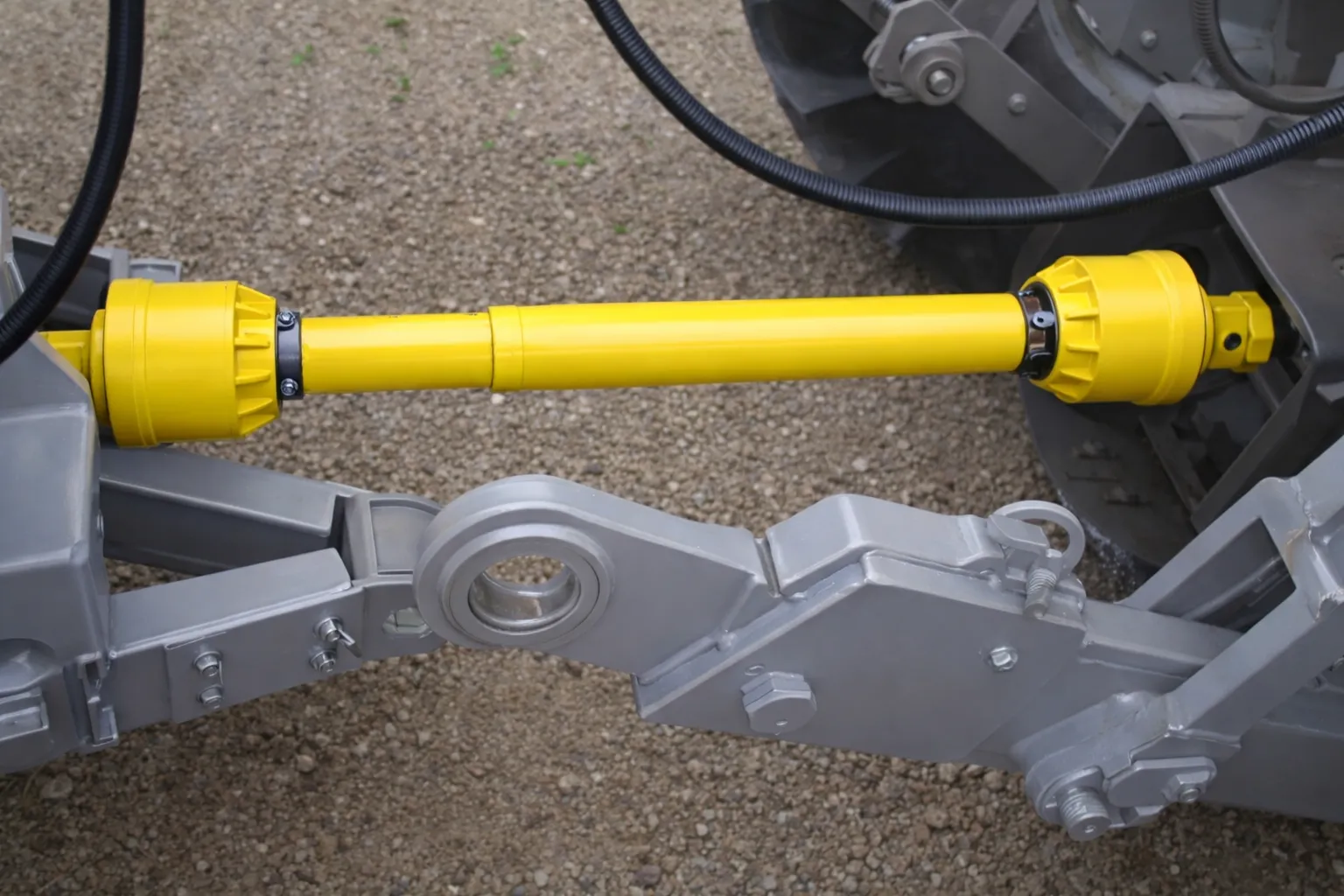
Combine Harvester PTO Shafts Engineering Specifications
The following technical parameters outline the physical and mechanical capabilities of our heavy-duty series, specifically calibrated for Class 7 to Class 10 combine harvesters operating in high-yield grain environments. We routinely customize these parameters to perfectly match OEM input requirements.
| Parameter Description | Standard Specification / Range | Operational Significance |
|---|---|---|
| 1. Rated Power Transmission (1000 RPM) | 150 kW – 250 kW (200 – 335 HP) | Dictates the maximum continuous load capacity for header or rotor drives. |
| 2. Peak Dynamic Torque Capacity | 4,500 Nm – 7,800 Nm | Ability to withstand sudden blockages without catastrophic failure. |
| 3. Universal Joint Dimensions | 34.9mm x 106mm to 41mm x 118mm | Cross and bearing sizing directly correlates to operational lifespan. |
| 4. Spline Interface (Tractor/Combine End) | 1-3/8″ 21-Spline or 1-3/4″ 20-Spline | Standardized connection for high-horsepower output shafts. |
| 5. Spline Interface (Implement End) | Customizable (e.g., 1-3/8″ 6-Spline, clamped) | Ensures precise mating with the header gearbox input. |
| 6. Constant Velocity (CV) Joint Angle | Up to 80° (Transient) / 25° (Continuous) | Critical for uneven terrain where header heights fluctuate drastically. |
| 7. Tubing Profile | Heavy-Wall Star Profile or Splined Profile | Star profiles offer superior torsional rigidity under extreme loads. |
| 8. Telescoping Stroke Length | 300 mm – 950 mm | Accommodates the full lifting geometry of the combine feeder house. |
| 9. Safety Clutch Integration | Overrunning Clutch + Friction Slip Clutch | Prevents back-driving inertia and protects against crop blockages. |
| 10. Friction Clutch Slip Torque | Adjustable: 2000 Nm – 4500 Nm | Factory preset to match the specific header’s maximum safe load. |
| 11. Tubing Wall Thickness | 4.5 mm – 6.0 mm (High Tensile Steel) | Prevents twisting or bending when sudden torque spikes occur. |
| 12. Yoke Manufacturing Process | Closed-Die Precision Forging | Aligns metal grain structure for highest fatigue resistance. |
| 13. Heat Treatment (Yokes) | Induction Hardening (HRC 50-55) | Hardens the bearing seating area while maintaining core ductility. |
| 14. Heat Treatment (Cross) | Carburizing (Case Hardened HRC 60) | Provides a glass-hard surface for needle bearings to roll against. |
| 15. Safety Guard Material | UV-Stabilized High-Density Polyethylene | Will not crack under the harsh Australian sun or freeze in winter. |
| 16. Guard Certification Standard | ISO 5674 / CE Approved | Legally required compliance for agricultural machinery safety. |
| 17. Dynamic Balancing Standard | Grade G16 @ 1500 RPM | Crucial for lengths exceeding 1.2 meters to prevent cab resonance. |
| 18. Lubrication Interval (Standard) | 50 – 100 Operating Hours | Reduces daily maintenance burden during the critical harvest window. |
| 19. Extended Maintenance Option | 250-Hour Greaseless Technology | Available upon request using specialized sintered bronze bushings. |
| 20. Anti-Rotation Chain Strength | 400 N Tensile Strength Minimum | Ensures the plastic guard remains stationary while the internal shaft spins. |
| 21. Quick-Disconnect Mechanism | Push-Pin or Slide-Collar Lock | Allows operators to connect/disconnect the header rapidly in the field. |
| 22. Operating Temperature Range | -30°C to +85°C | Tested for extreme climates, verifying grease and plastic stability. |
| 23. Surface Coating | Epoxy Powder Coat (RAL 9005 Black) | Resists agricultural chemicals, fertilizers, and atmospheric corrosion. |
| 24. Maximum Rotational Speed | 1200 RPM | Safe overhead margin beyond standard 1000 RPM combine outputs. |
| 25. Torsional Elasticity Rating | 0.5° per 1000 Nm | A measure of stiffness; ensures immediate power transfer without lag. |
| 26. Tube Coating (Internal) | Rilsan® Polyamide Coating (Optional) | Drastically reduces telescoping friction and thrust loads on gearboxes. |
| 27. Shear Bolt Grade (If applicable) | Grade 8.8 or 10.9 Metric | Calibrated precise shearing point to prevent catastrophic machine damage. |
| 28. Total Assembly Weight | 35 kg – 55 kg (Size Dependent) | Optimized strength-to-weight ratio to facilitate manual coupling. |
| 29. Cross Material | 20CrMnTi Alloy Steel | Premium metallurgical formulation for impact and wear resistance. |
| 30. Quality Assurance Standard | 100% End-of-Line Runout Testing | Guarantees zero defective units leave our manufacturing facility. |
Working Principles Inside a Combine Harvester
Within the highly complex architecture of a modern combine harvester, power must be routed from the central transverse engine (often exceeding 500 HP) to multiple peripheral systems that operate at varying angles and distances. The PTO shaft is the critical mechanical artery in this system.
Header Drive Application: The most demanding location for a driveline is connecting the combine’s feeder house output to the header platform. As the harvester moves over undulating Australian terrain, the header constantly floats up and down. The PTO shaft must simultaneously telescope inwards and outwards while transmitting up to 200 HP, all while the universal joints flex continuously. If the telescoping tubes bind under torque (a common issue with inferior shafts), it creates immense thrust loads that can destroy the header gearboxes.
Unloading Auger & Rotor Drives: Internal drivelines also power the threshing rotors and the massive unloading augers. These applications require instantaneous torque transfer. Our incorporation of an overrunning clutch (freewheel) ensures that when the operator disengages the drive, the massive inertia of the spinning rotor does not back-feed destructive energy into the combine’s hydraulic or mechanical transmission.
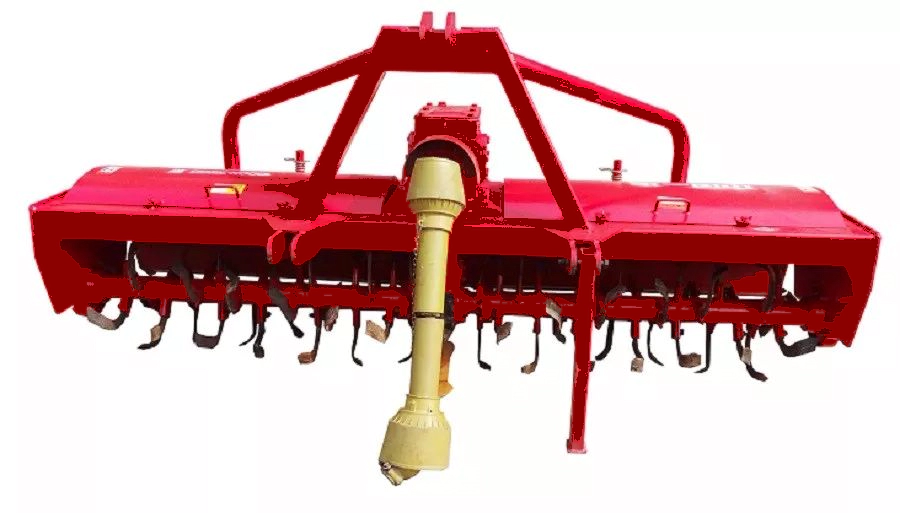
Brand Compatibility & Legal Compliance
For large-scale agricultural operations, equipment standardization is crucial. When a driveline fails mid-harvest, waiting weeks for a specific European OEM part is financially devastating. EVER-POWER has engineered our heavy-duty agricultural PTO shafts to seamlessly match the geometric profiles, spline counts, and torque ratings of the world’s leading proprietary systems.
Legal & Compatibility Disclaimer: Our PTO shaft systems and components are engineered as perfect aftermarket replacements for the driveline units commonly found on machinery equipped with Comer Industries™, GKN Driveline™, Walterscheid™, Bondioli & Pavesi™, and Weasler™ systems. (Note: All manufacturer names, trademarks, series designations, and part numbers are strictly for reference purposes and selection compatibility only. EVER-POWER is a fully independent OEM and aftermarket manufacturer and is not affiliated with these brands.)
Local Regulatory Adherence: Australia
Operating under the jurisdiction of Safe Work Australia, farm machinery must comply with stringent entanglement prevention laws. A bare rotating shaft is entirely illegal and presents a lethal hazard. All EVER-POWER shafts imported into or utilized within Australian territories (NSW, WA, QLD, SA, VIC, TAS) strictly conform to the ISO 5674 standard for PTO guards. Our proprietary high-impact polymer shields completely enclose the rotating shaft and are secured via dual anti-rotation chains, guaranteeing that even if an operator accidentally contacts the driveline, the guard remains stationary.

Australian Local Industry Application Cases: Engineer’s Field Notes
The following insights are directly transcribed from our mobile engineering teams deployed across Australia during peak harvesting seasons, detailing how we solved catastrophic drivetrain failures for major agricultural contractors.
📍 Sydney, NSW – Header Driveline Vibration
Client Pain Point: “Our European-built combine experienced violent shaking in the cab whenever the header was lifted past 20 degrees on hilly terrain. It was destroying the input seals.”
EVER-POWER Solution: We diagnosed a severe velocity fluctuation due to extreme joint angles. We retrofitted the machine with an 80° Wide Angle Constant Velocity (CV) PTO shaft. This dual-yoke centering mechanism entirely neutralized the torsional vibration.
Result: “The vibration is gone. We can now lift the header at full RPM during headland turns without disengaging the clutch.”
📍 Perth, WA – High Temp Bearing Burnout
Client Pain Point: “Harvesting wheat in 42°C heat meant our standard U-joints were boiling out their grease, leading to daily cross bearing collapses.”
EVER-POWER Solution: We supplied Series 8 heavy-duty shafts loaded with our proprietary high-temperature synthetic complex grease, and upgraded the seals to our triple-lip design to keep the liquefied grease contained.
Result: “Zero driveline failures across a 2,000-hectare harvest. The bearings remained cool to the touch even after 14-hour shifts.”
📍 Brisbane, QLD – Sugarcane Blockage Damage
Client Pain Point: “Heavy, damp sugarcane frequently jams our chopper systems. The standard shear bolt shafts were breaking ten times a day, costing us hours of replacement time.”
EVER-POWER Solution: We upgraded their systems to feature heavy-duty 4-disc friction slip clutches preset to 3500 Nm. Instead of breaking, the shaft simply slips during a jam.
Result: “Downtime eliminated. The clutch slips, we reverse the feed to clear the jam, and we are back harvesting in 30 seconds.”
📍 Melbourne, VIC – UV Guard Degradation
Client Pain Point: “The intense sun rotted the plastic guards on our OEM shafts within a single season, leading to safety compliance failures during inspections.”
EVER-POWER Solution: Delivered replacement shafts featuring our UV-stabilized High-Density Polyethylene (HDPE) guards, specifically formulated for the Australian ozone conditions.
Result: “Three seasons in, and the guards are still structurally sound and fully compliant with WorkSafe Victoria regulations.”
📍 Adelaide, SA – Telescopic Thrust Failures
Client Pain Point: “Dust ingress was causing the lemon-profile tubes to bind tight. The resulting thrust force was shattering the cast iron gearbox housings on our draper fronts.”
EVER-POWER Solution: Transitioned the client to our advanced splined tubular profile coated with Rilsan® friction-reducing polymer, preventing metal-to-metal galling even when coated in dust.
Result: “The telescoping action remains buttery smooth regardless of the dirt accumulation. We haven’t lost a gearbox since.”
Pre-Purchase Selection Guide
To ensure perfect compatibility and eliminate the risk of catastrophic machinery mismatch, please follow this standardized engineering selection matrix before placing your order for a replacement combine harvester driveline.
| Selection Phase | Parameter to Measure | Engineering Rationale |
|---|---|---|
| Step 1: Power Sizing | Determine the horsepower (HP) or Kilowatts (kW) output of the combine drive at 540 or 1000 RPM. | Selects the correct tube series and cross bearing diameter to prevent twisting under load. |
| Step 2: Connection Geometry | Count the splines (e.g., 6, 20, 21) and measure the outer diameter (e.g., 1-3/8″, 1-3/4″) on both the tractor and implement sides. | Ensures the yoke fits securely onto the shafts without play, avoiding spline stripping. |
| Step 3: Overall Length | Measure the collapsed (closed) length from cross-center to cross-center. Evaluate maximum extension needed during operation. | A shaft too long will bottom out and destroy bearings; too short will pull apart under operation. |
| Step 4: Clutch Requirements | Identify if your header requires a Slip Clutch (friction), Overrunning Clutch (freewheel), or Shear Bolt. | Critical for protecting internal harvester components from sudden blockages or massive rotor inertia. |
| Step 5: Articulation Angle | Will the shaft operate at an angle greater than 25 degrees consistently? | If yes, an 80-degree Constant Velocity (CV) joint MUST be specified to avoid vibration damage. |
Installation & Calibration
Warning: Improper cutting or phasing of the driveline can result in violent failure. Always wear protective gear and ensure the combine engine is shut off, keys removed, and the header resting securely on the ground before commencing work.
- Length Verification & Cutting: Attach the implements but do not connect the shaft. Measure the exact distance between the locking grooves. If the purchased shaft is too long, separate the halves. Mark both the inner/outer metal tubes and plastic guards. Cut identically sized sections from both ends. Engineering Note: You must deburr the cut edges meticulously with a file to prevent metal shavings from binding the telescopic action.
- Phasing the Tubes: When reassembling the inner and outer halves, you must ensure the yokes at both ends are perfectly aligned (in phase). If they are rotated 90 degrees out of phase, the velocity cancellations will not occur, leading to destructive vibrations.
- Clutch Burnishing: If utilizing a friction slip clutch, it may have seized slightly during shipping or storage. Loosen the tension nuts, run the PTO at idle to let it slip and polish the friction plates for 3-5 seconds, then retighten the springs to the exact millimeter compression height specified in the manual.
- Greasing & Anchoring: Pump high-quality lithium grease into all zerk fittings until slight resistance is felt. Finally, connect the safety guard chains to rigid, non-rotating points on the combine and header, allowing enough slack for articulation.
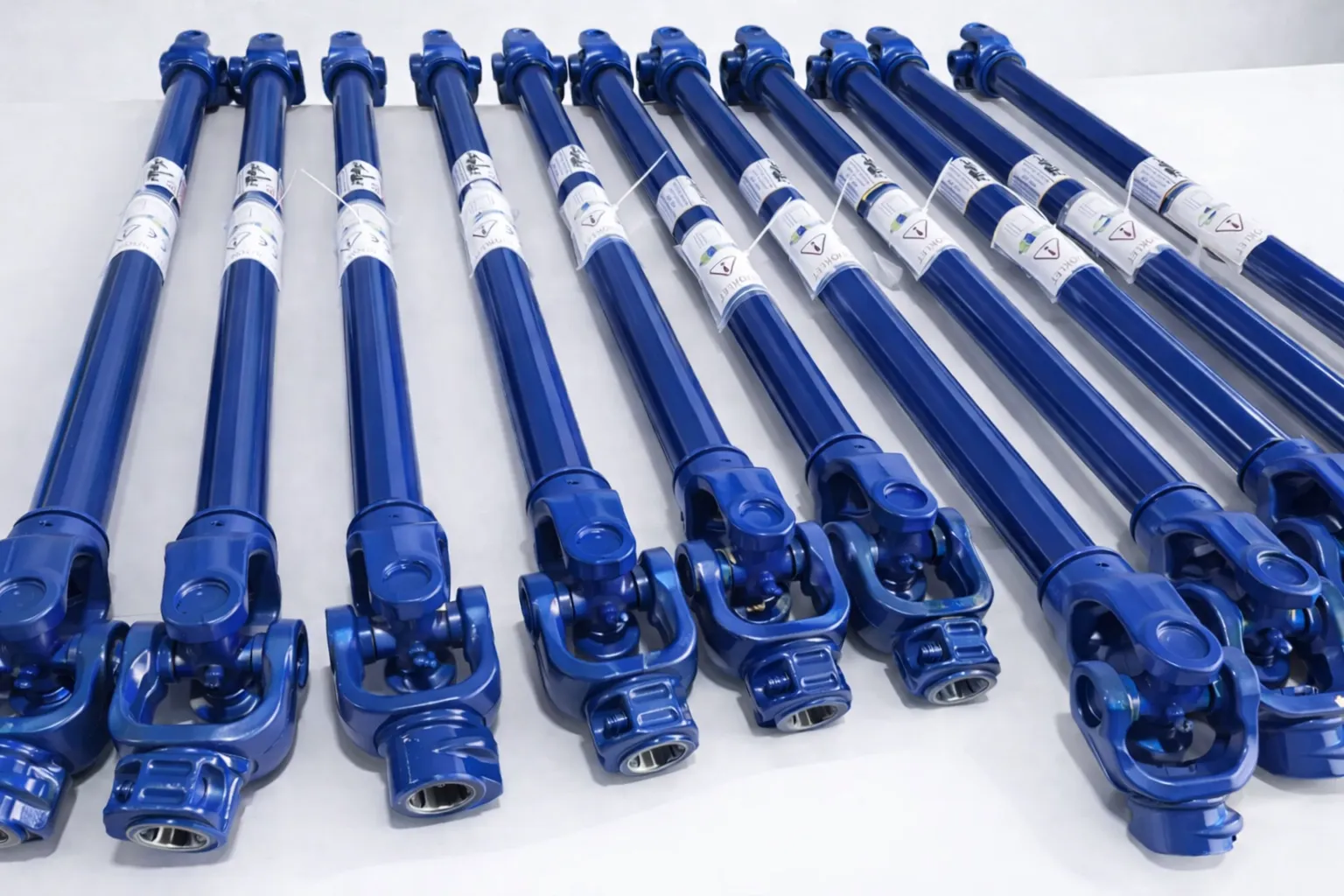
Troubleshooting Common Failures in Harvest Season
1. Violent Shaking / High-Frequency Vibration
Cause: The most frequent cause is “out of phase” reassembly after maintenance. It can also stem from bent tubing due to bottoming out, or operating a standard joint at angles exceeding 25 degrees.
Solution: Separate the halves and realign the yokes. Check the tube straightness with a dial indicator. If operating at steep angles, upgrade to a CV joint.
2. Telescopic Tubes Binding / Refusing to Slide
Cause: Lack of lubrication combined with severe dust buildup, or twisting of the tube profile due to a torque overload event that didn’t trigger the slip clutch.
Solution: Disassemble and clean thoroughly with solvent. Apply graphite or specialized spline grease. If the tube is twisted, the entire shaft assembly must be replaced to prevent gearbox thrust damage.
3. Premature Cross Bearing (U-Joint) Disintegration
Cause: Chronic under-lubrication, using incorrect grease types that liquefy in Australian heat, or continuous operation at acute angles under heavy load.
Solution: Replace the cross and bearing kit. Implement a strict 50-hour greasing schedule using extreme pressure (EP) high-temp lithium complex grease.
4. Friction Clutch Smoking or Burning
Cause: The compression springs are set too loosely, or the operator is continuously attempting to force power through a heavily clogged implement.
Solution: Clear the header blockage immediately. Tighten the clutch springs to the factory specified torque setting. If the friction discs are glazed or worn below minimum thickness, replace them.
5. Safety Guard Chains Breaking Continuously
Cause: Fastening the chain with zero slack, causing it to snap when the combine articulates, or the nylon bearings inside the guard collars have seized from dirt.
Solution: Anchor the chain allowing sufficient movement geometry. Remove the guards, clean the nylon bearing ring tracks, and apply a light silicone spray.
10 Frequently Asked Technical Questions
1. What is a Wide Angle (CV) PTO Shaft, and why is it vital for combines?
A Constant Velocity (CV) shaft utilizes a double cardan joint assembly with a centering mechanism. It cancels out the velocity fluctuations that occur at steep angles. When lifting heavy headers over 25 degrees, standard joints cause destructive vibrations. CV joints allow smooth power delivery up to 80 degrees momentarily.
2. How do I determine my current shaft’s “Series” or size?
The most accurate method is measuring the universal joint. Measure the outside diameter of the bearing cap and the overall width of the cross assembly. For example, a heavy-duty Series 8 cross might measure 30.2mm by 106mm. Compare these metrics to the EVER-POWER selection charts.
3. Can I replace just the plastic guard if the tube is fine?
Yes. If your metal drive components are intact, we supply replacement UV-resistant guard tubes and cones. Under Safe Work Australia guidelines, operating with damaged or missing guards is strictly prohibited.
4. What is the fundamental difference between a shear bolt and a friction clutch?
A shear bolt acts as a mechanical fuse; it snaps under overload, severing drive completely and requiring manual replacement before restarting. A friction clutch slips during torque spikes, absorbing the shock, and immediately regains grip once the blockage is cleared, saving immense downtime.
5. Why does my high-inertia rotor require an overrunning clutch?
Heavy rotating masses like combine threshing rotors have massive kinetic energy. If you suddenly disengage the PTO drive, that inertia forces the power backwards down the shaft. An overrunning clutch (freewheel) acts like a bicycle hub, allowing the rotor to spin down freely without driving the tractor’s transmission backwards.
6. Are star-profile tubes better than lemon-profile tubes?
For heavy agricultural applications like combine harvesters, yes. Star profiles provide multiple contact points, handling significantly higher torque loads with less torsional twist, and offer smoother sliding under heavy load compared to the standard lemon profile.
7. How frequently should I lubricate the universal joints?
During active harvesting in dusty environments, standard U-joints should be greased every 50 operating hours, and telescoping tubes every 100 hours. Always inject grease until fresh grease purges from all four seals of the cross.
8. What causes the telescoping tube to bottom out?
Bottoming out occurs when the distance between the power source and implement is shorter than the fully collapsed length of the shaft. This usually happens if the shaft was not properly measured and cut to length before initial installation. It causes catastrophic thrust damage to internal bearings.
9. Is it necessary to unhook the shaft during off-season storage?
Yes. Remove the shaft, clean off dirt and chaff, and thoroughly lubricate it. Store it horizontally in a dry, indoor location to protect the plastic guards from continuous UV degradation and prevent moisture buildup inside the sliding tubes.
10. Can EVER-POWER manufacture customized lengths or specific spline combinations?
Absolutely. With our extensive CNC machining capabilities, we regularly build custom drivelines featuring mismatched yokes (e.g., 21-spline tractor to a 6-spline implement), specific overall lengths, and custom slip clutch torque calibrations for specialized OEM agricultural builds.
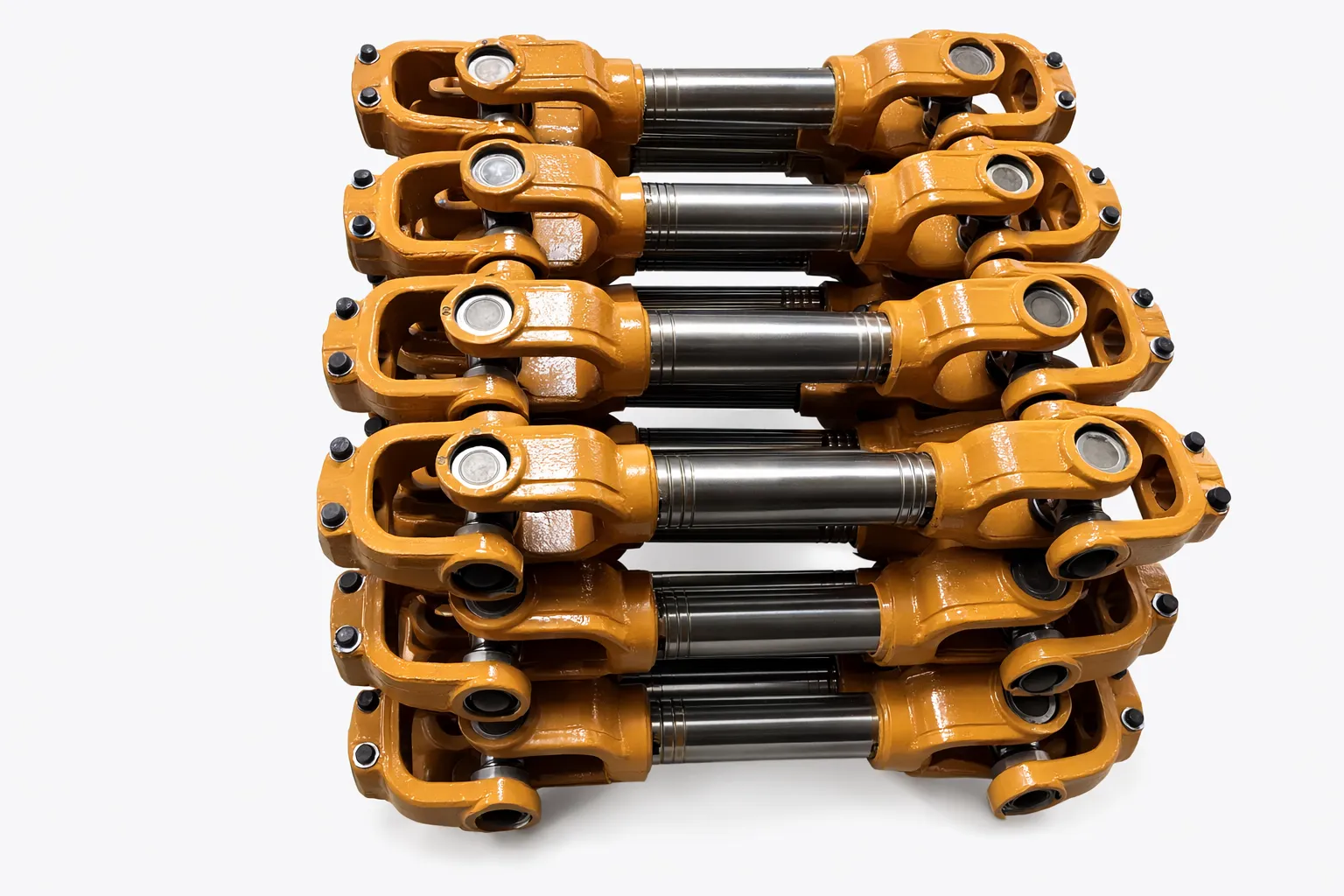
Agricultural Gearboxes & Related Components
The mechanical vitality of a combine harvester relies not on a single component, but on a highly integrated, meticulously engineered powertrain ecosystem. A high-performance PTO drive shaft is only as effective as the mechanical nodes it connects to. When the kinetic energy travels down the driveline, it inevitably terminates at a gearbox, which is responsible for converting that raw rotational force into the specific speed and torque required by the harvesting implements. At EVER-POWER, our engineering philosophy transcends the shaft itself; we are holistic providers of agricultural torque solutions.
To guarantee seamless interoperability and eradicate the frustrating bottlenecks of sourcing from fragmented suppliers, we proudly manufacture a comprehensive, world-class range of agricultural gearboxes and associated transmission peripherals. These components are specifically engineered to interface flawlessly with our driveline systems, creating a robust, unified power corridor designed for the punishing realities of large-scale Australian farming operations.
The Core of Power Conversion: Agricultural Gearboxes
Our agricultural gearboxes are fundamentally designed to manipulate power—altering rotational speed, multiplying torque, or redirecting the flow of kinetic energy (such as the 90-degree transition required for many rotor drives). Inside a modern combine, gearboxes are stationed at critical junctions: the main header drive, the threshing cylinder reduction, the unloader auger engagement, and the straw chopper drive. Each of these applications demands unique internal geometries and metallurgical strengths.
Through finite element analysis (FEA) and rigorous field validation in extreme heat environments, our gearboxes feature housings cast from premium ductile iron (nodular cast iron), which provides significantly higher impact resistance and tensile strength compared to standard gray iron. This prevents the housing from cracking under the immense thrust loads occasionally transmitted by telescopic drivelines. Internally, the heart of our gearboxes lies in the gearing.
We utilize spiral bevel gears, precision-cut using advanced CNC gleason machines. Unlike straight bevel gears, spiral configurations allow multiple teeth to engage simultaneously. This continuous meshing results in whisper-quiet operation, drastic reduction of localized tooth stress, and the ability to handle torque loads up to 40% higher than conventional designs. Following the machining process, the gears undergo a specialized carburizing heat treatment. This metallurgical process impregnates the surface with carbon, creating a glass-hard exterior (HRC 60-62) for ultimate wear resistance against abrasive friction, while maintaining a ductile, shock-absorbing inner core to prevent sudden tooth shearing when a heavy rock or obstruction is ingested by the header.
Furthermore, recognizing that dust and moisture are the primary adversaries of internal gearing, we equip all input and output shafts with premium SKF or NSK tapered roller bearings, sealed behind advanced double-lip Viton fluoroelastomer oil seals. These seals maintain their integrity in extreme thermal conditions, ensuring the high-viscosity synthetic gear oil stays inside, and the destructive silica dust of the Australian outback stays out.
Completing the Kinematic Chain: Pulleys, Sprockets, and Chains
While gearboxes handle major power routing, the final distribution of movement to the sickle bars, elevator chains, and cleaning fans relies on belt and chain drives. To provide a complete engineering solution, our factory output includes heavy-duty transmission components that work synchronously with our PTO and gearbox offerings.
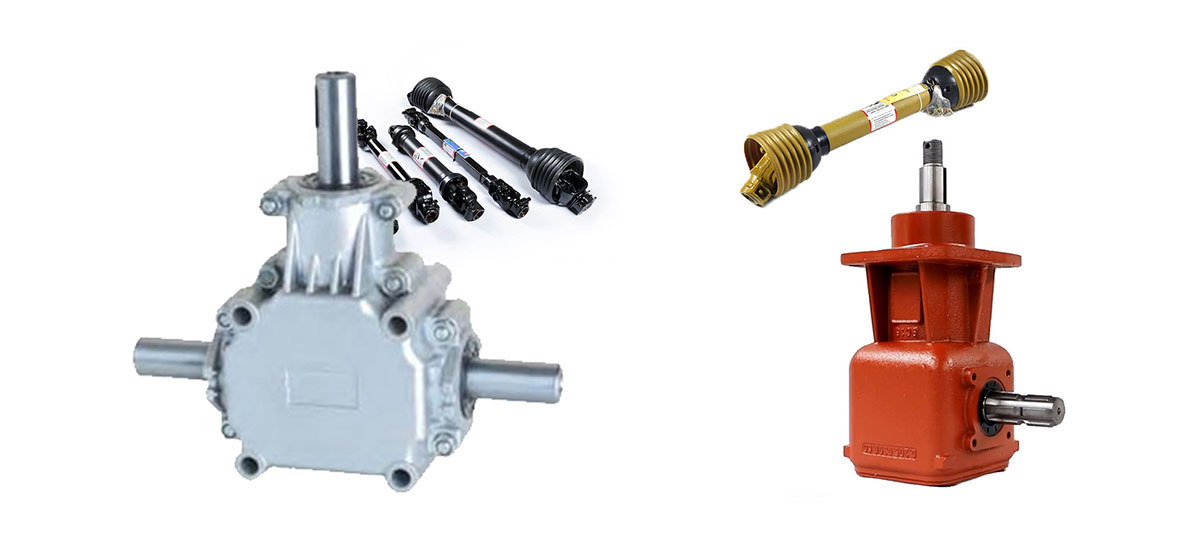
Right-Angle Bevel Gearboxes
Engineered for 90-degree power redirection. Available in ratios from 1:1 to 1:3. Cast iron housing with carburized spiral bevel gears. Rated for continuous inputs up to 150 HP, acting as the perfect receptor for our Series 8 drive shafts.
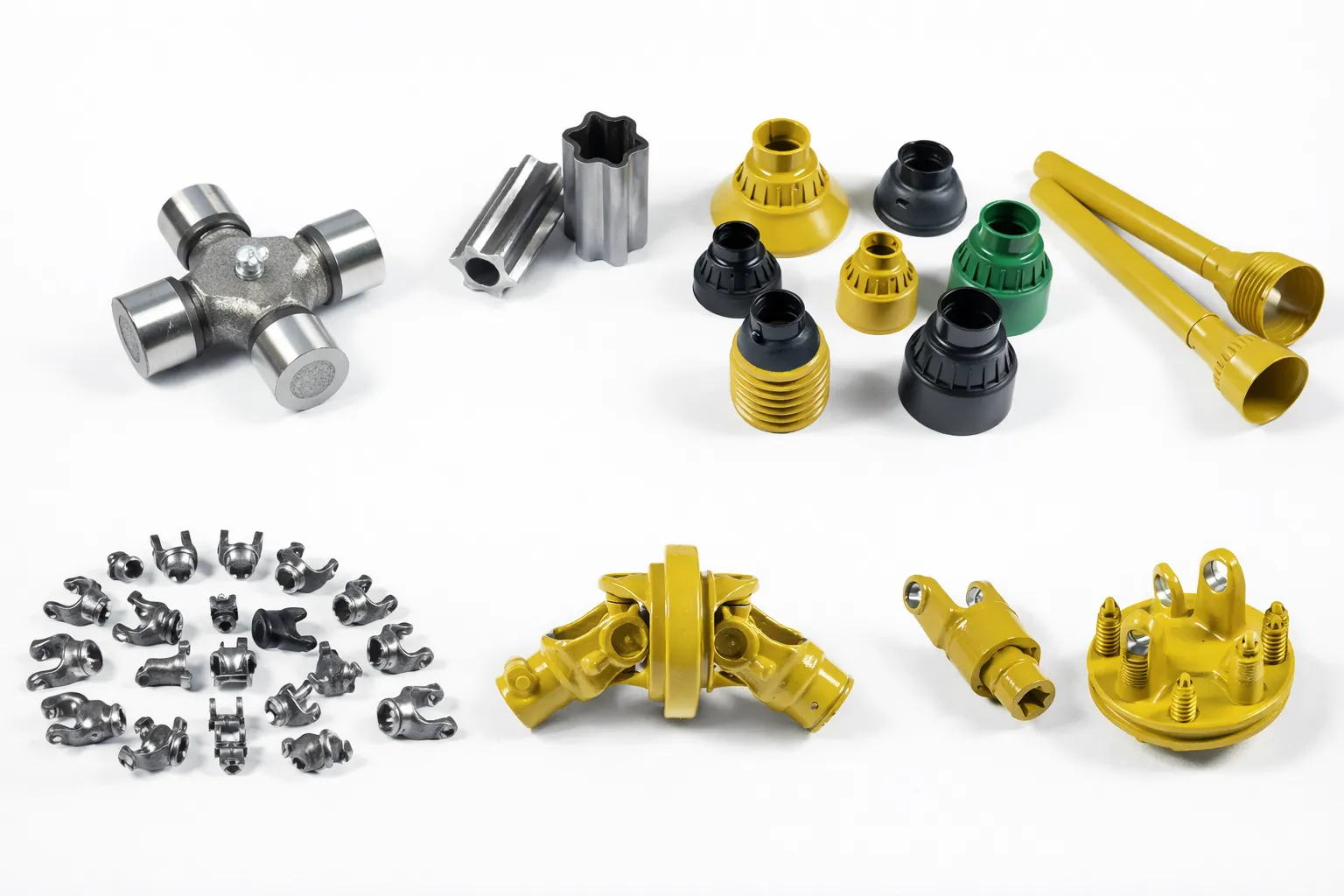
Heavy-Duty Sprockets & Chains
Essential for combine elevators and feeder houses. Our sprockets feature induction-hardened teeth to combat rapid wear. The paired roller chains are pre-stretched and coated in anti-corrosive lubricants, ensuring zero-slip mechanical timing.
Cast Iron V-Belt Pulleys
High-inertia, dynamically balanced cast iron pulleys designed for rotor and fan drives. Taper-lock bush integration ensures concentric mounting, eliminating runout and extending the life of the V-belts under massive load variations.
By engineering the driveline, the gearbox, and the final mechanical transfer components under a single, rigorous quality control umbrella, EVER-POWER eliminates the weak links in agricultural machinery. When a combine harvester enters the field equipped with our complete powertrain architecture, operators gain the ultimate peace of mind. The synergies between our dynamically balanced shafts and precision-cut gearboxes mean less vibration, lower operating temperatures, and vastly extended maintenance intervals.
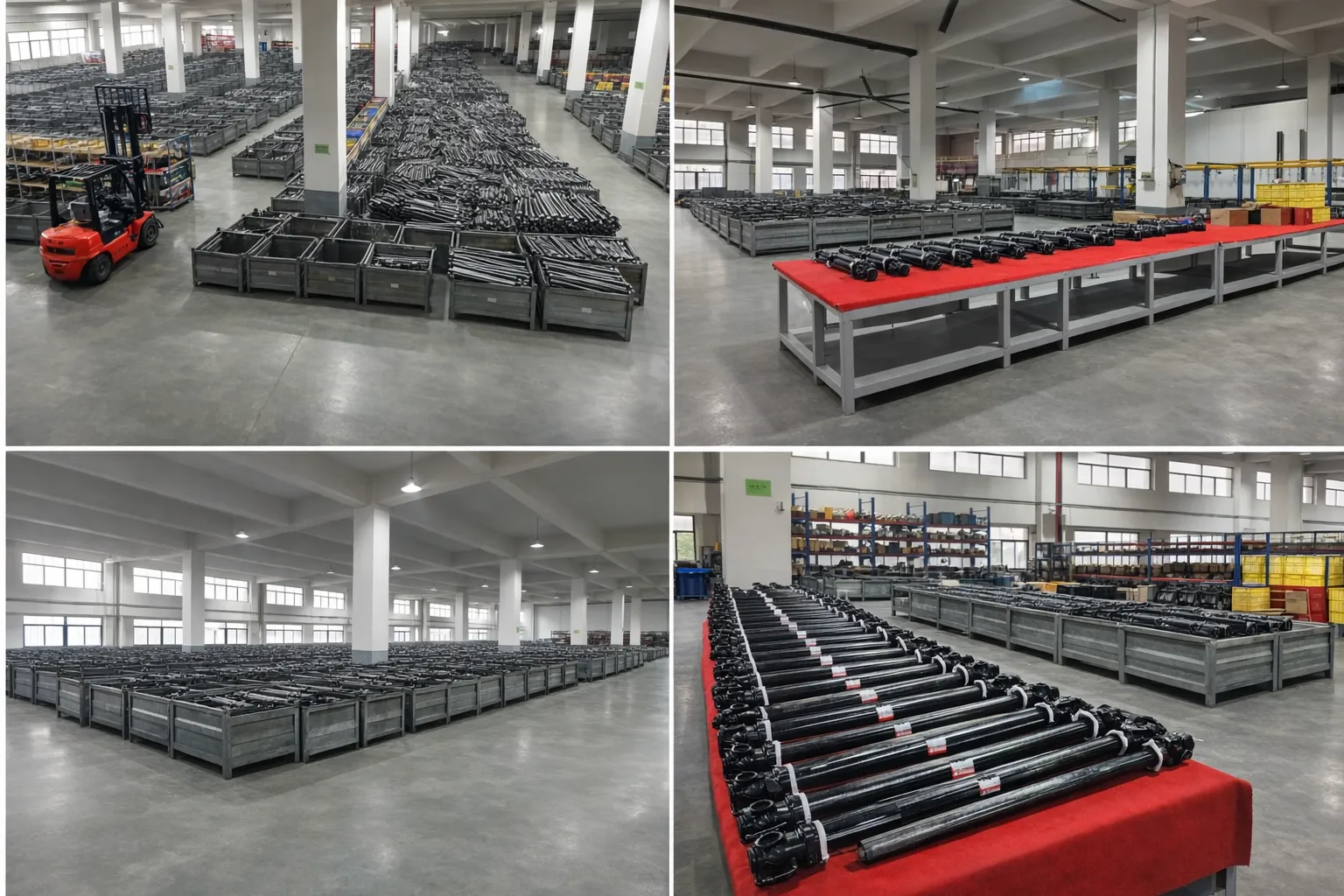
Push Your Machinery to the Limit with Global Manufacturing Excellence
We do not just supply off-the-shelf components; we engineer solutions. EVER-POWER’s sprawling, ISO-certified manufacturing facility houses state-of-the-art robotic welding cells, 5-axis CNC machining centers, and closed-die forging lines. Whether you require a single emergency replacement shaft to finish the Australian harvest, or you are an OEM seeking thousands of highly customized, non-standard drivelines with specialized slip torque calibrations, our production capacity is unmatched. We welcome all technical drawings and custom sample requests.
Consult Our Engineering Team Today
Return to our homepage: https://pto-drive-shaft.com/