
Heavy-Duty PTO Shafts for Potato Diggers in Australia
Engineered for Extreme Soil Conditions | AS/NZS Compliant | Unmatched Torsional Strength
⚙️
Core Technology Quick Read
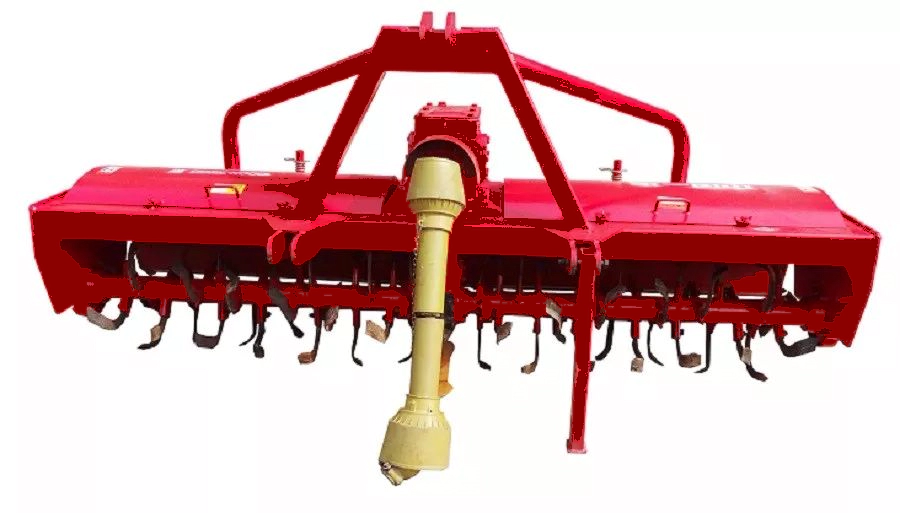
Potato harvesting demands precise power transmission. The sudden shock loads caused by striking subterranean rocks or dense clay require a robust pto drive shaft equipped with advanced torque limitation mechanisms. Ever-power’s Series 6 and Series 8 PTO shafts integrate a customized wide-angle constant velocity (CV) joint combined with a heavy-duty friction slip clutch. This configuration guarantees continuous power delivery to the digger’s primary shaker webs, even when traversing steep headlands at turning angles up to 80 degrees. Operating consistently at 540 RPM or 1000 RPM, our drivelines achieve a 98.5% mechanical efficiency rate, minimizing tractor fuel consumption while maximizing harvest yields.
🔍
Kinematics of Potato Digger PTO Applications
Understanding the mechanical ecosystem of a potato digger is crucial for specifying the correct driveline. The tractor pto shaft bridges the power gap between the tractor’s output stub and the digger’s main input gearbox. Once rotational force enters the implement, it drives a series of agitators, sieving webs, and haulm rollers.
During extraction, the digging share lifts a massive volume of soil, stones, and tubers. The PTO shaft must endure immense torsional stress as the heavy soil ribbon moves up the primary web. If a large basalt rock jams the elevator, the sudden kinetic stop can completely shatter a standard driveline. Our engineering team addresses this by incorporating high-tensile 20CrMnTi forged yokes and multi-plate slip clutches. The clutch plates are calibrated to slip exactly when the torque exceeds the implement’s structural threshold, instantly dissipating the destructive energy as heat rather than mechanical breakage. The incorporation of a freewheel (overrunning clutch) also prevents the massive inertia of the digger webs from back-driving into the tractor transmission when the engine RPM suddenly drops.
📊
Engineering Specifications Matrix for Root Crop Implements
| Parameter | Standard Specification | Customization Range |
|---|---|---|
| Dynamic Torque Rating (Nm) | 1200 Nm – 2400 Nm | Up to 4500 Nm for multi-row harvesters |
| Tractor Spline Input | 1-3/8″ 6 Spline (Standard 540 RPM) | 1-3/8″ 21 Spline, 1-3/4″ 20 Spline |
| Implement Connection | Friction Slip Clutch (4 Plates) | Cam Clutch, Shear Bolt, Overrunning Clutch |
| Cross Bearing Size | 30.2mm x 92mm (Series 6) | 22x54mm to 42×104.5mm |
| Yoke Forging Material | 20CrMnTi Alloy Steel | 40Cr, 45# Carbon Steel (Application Specific) |
| Telescopic Tube Profile | Lemon Profile (German Style) | Triangular, Star, Involute Spline |
| Tube Wall Thickness | 4.0mm Inner / 4.5mm Outer | 3.0mm to 6.5mm |
| Overall Compressed Length | 1000 mm | 600 mm to 2500 mm |
| Maximum Extension | 1500 mm (Maintaining 1/3 overlap) | Dependent on base length |
| Constant Velocity (CV) Joint | 80° Wide Angle Single CV | Double CV configuration available |
| Operating RPM | 540 RPM | 1000 RPM high-speed variants |
| Safety Guard Material | UV-Resistant Polyethylene (PE) | High-Impact Nylon Blends |
| Guard Anti-Rotation System | Dual Safety Chains (10kN breaking strength) | Internal friction bearing rings |
| Universal Joint Seal Type | Triple-lip Nitrile Rubber | Viton seals for extreme heat environments |
| Grease Nipple Location | Center Cross & Outer Shield Access | Extended grease lines for enclosed areas |
| Surface Treatment | Electrophoretic Deposition (EPD) Black | Hot-dip galvanizing, custom powder coating |
| Static Breaking Torque | > 3600 Nm | Subject to series upgrade |
| Vibration Tolerance | Dynamic balanced to G6.3 standard | G2.5 precision balancing |
| Operating Temperature Range | -30°C to +85°C | Specialized arctic/desert lubricants |
| Clutch Friction Disc Material | Non-asbestos composite | Sintered bronze for high thermal load |
| Locking Mechanism (Tractor) | Quick-Disconnect (QD) Pin | Auto-lok collar, Ball collar |
| Locking Mechanism (Implement) | Tapered Pin / Clamp Bolt | Flange mount, spline interference fit |
| Service Interval (Greasing) | Every 50 Operating Hours | Extended lubrication models (250 hours) |
| Yoke Heat Treatment | Carburizing & Quenching (58-62 HRC) | Induction hardening on specific wear zones |
| Compliance & Certification | ISO 5673, CE Marked | AS 1121.1, AS 1121.4 (Australia Specific) |
Performance Advantages Over Market Alternatives
The agricultural machinery sector is saturated with substandard power transmission components that suffer from rapid yoke deformation, cross bearing needle collapse, and catastrophic tube twisting under heavy torque. Ever-power rectifies these industry failures through strict metallurgical controls. Our steel profiles undergo a specialized cold-drawing process that increases the yield strength by 35% compared to standard hot-rolled tubes.
Furthermore, the internal friction dynamics of our telescopic tubes are minimized utilizing proprietary graphite-infused nylon wiper seals, ensuring that axial loads generated during the rising and lowering of the potato digger implement do not translate into destructive thrust loads on the tractor’s PTO bearings. Substandard drivelines often lock up telescopically under torque, exerting massive push-pull forces that can rip the output housing straight off a tractor.

Brand Compatibility & Integration
Upgrading an existing implement does not require a complete redesign. Our engineered PTO drivelines serve as direct, high-performance replacements for OEM parts. We have mapped the cross-sectional geometry, cross bearing dimensions, and yoke splines of the leading global agricultural brands to ensure seamless aftermarket integration.
Legal & Compatibility Disclaimer: Our replacement drivelines and yokes are precision-engineered to perfectly substitute components found on Comer Industries™, GKN Walterscheid™, Bondioli & Pavesi™, and Weasler™ equipment. (Note: All manufacturer names, trademarks, and part numbers are referenced solely for identification and compatibility purposes. EVER-POWER operates as a completely independent manufacturer of premium power transmission products.)
- ✅ Direct Replacement for: Comer Series 6 & 8
- ✅ Interchangeable with: Walterscheid W Series Lemon Tube
- ✅ Perfect Match for: Grimme, Standen, and AVR Potato Diggers
⚖️
Australian Farm Safety: WorkSafe Regulations & AS/NZS Standards
Operating agricultural machinery in Australia requires strict adherence to federal and state safety regulations. A massive percentage of agricultural injuries involve entanglement with unguarded rotational components. Consequently, WorkSafe authorities across New South Wales, Victoria, Queensland, and Western Australia strictly enforce heavy penalties for non-compliant equipment.
AS 1121.1 & AS 1121.4 Compliance
The Australian Standard explicitly outlines the design, testing, and operational parameters for agricultural PTO drive shafts and their respective guards. Every Ever-power shaft exported to the Australian market features robust UV-stabilized polymeric guards that overlap the universal joints entirely. The interactive guarding system ensures that there is a continuous protective envelope from the tractor’s master shield to the implement’s input connection (PIC) shield.
Anti-Rotation Anchor Chains
A critical local requirement is the implementation of durable restraining mechanisms. Our guards are equipped with dual heavy-duty anchor chains. These chains tether the static guard tube to a fixed point on both the tractor and the potato digger, preventing the plastic sheath from rotating with the steel shaft. If a farm worker accidentally brushes against the shaft, the static guard ensures their clothing is not caught by the rotational velocity of 540 or 1000 RPM.
Queensland Extreme Conditions Field Study
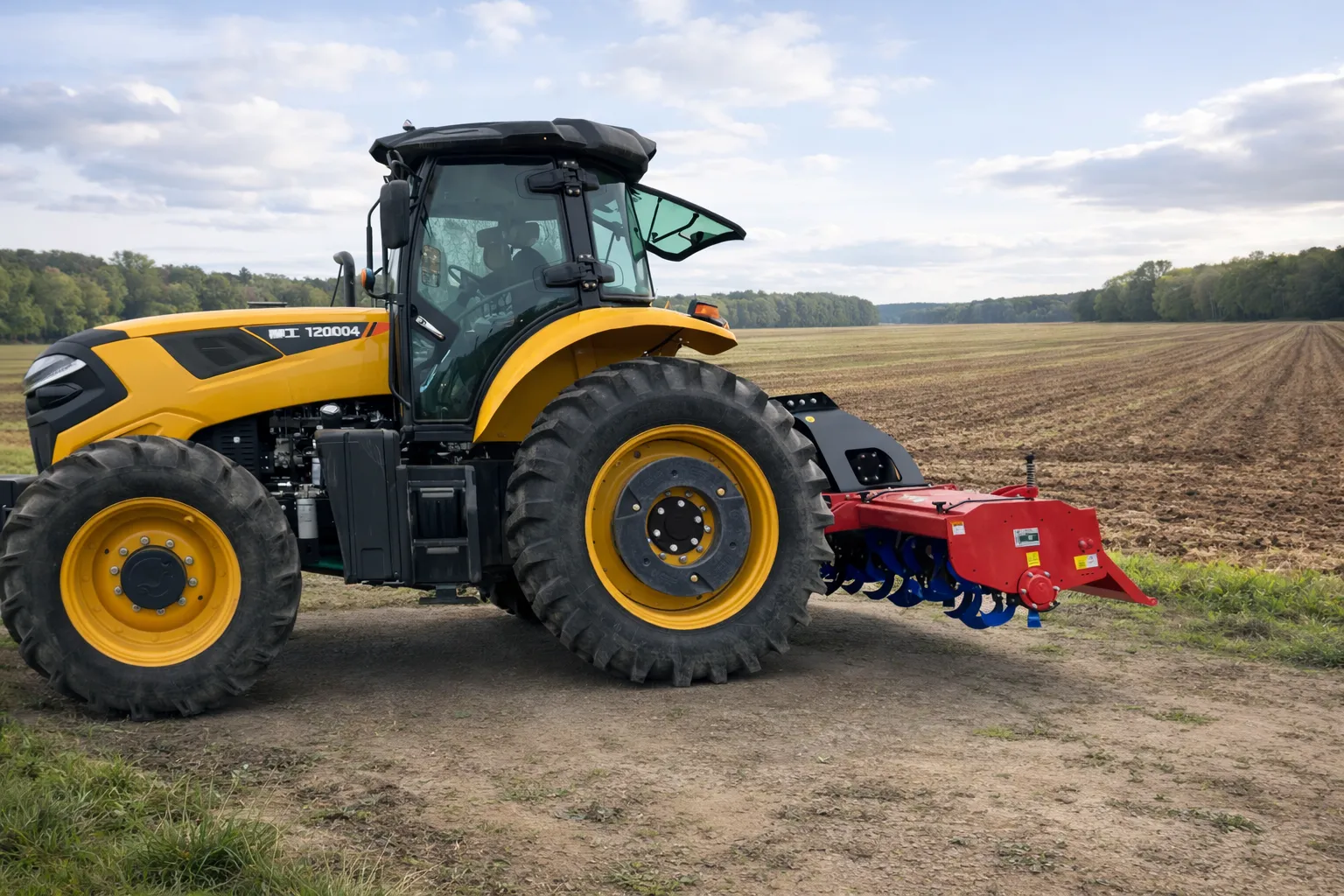
“In my 20 years assessing agricultural kinematics, the volcanic red dirt soils of the Atherton Tablelands in Far North Queensland present one of the most abrasive and dense environments for a potato harvester.”
During the height of the summer harvest, soil compaction combined with unexpected subterranean basalt boulders creates devastating shock loads. Traditional shear bolt mechanisms were failing up to six times a day, paralyzing harvest operations and severely bleeding farm profitability. By retrofitting an Ever-power Series 8 shaft equipped with a heavy-duty 4-plate friction clutch, we shifted the mechanical failure point into a controlled thermal slip.
The result? A 45% reduction in mechanical downtime and absolute protection of the digger’s primary bevel gearbox. The UV-resistant guarding also withstood the blistering 40°C ambient temperatures without embrittlement.
📐
Implement Selection Guide: Sizing the Driveline
Incorrect sizing is the root cause of 70% of driveline failures. Selecting the correct pto shaft requires balancing the tractor’s horsepower (HP) with the potato digger’s mechanical demands. Use the following diagnostic matrix to determine the required series.
| Tractor Power Output | Implement Size (Rows) | Recommended Driveline Series | Torque Limiter Type | Joint Configuration |
|---|---|---|---|---|
| 35 – 50 HP | Single Row Digger / Spinner | Series 4 | Shear Bolt or 2-Plate Friction | Standard U-Joint |
| 55 – 80 HP | 2-Row Elevator Digger | Series 6 | 4-Plate Friction Clutch + Freewheel | Wide Angle (CV) Tractor Side |
| 90 – 130 HP | 2-Row Heavy Harvester with Bunker | Series 8 | Heavy Duty Friction Clutch + Overrun | 80° Wide Angle Joint |
| 140+ HP | 4-Row Self-Propelled / Trailed | Series 9 or Custom Heavy Duty | Automatic Cam Clutch | Double CV Assembly |
Measurement Criticality:
Always measure the closed center-to-center length (cross bearing to cross bearing) with the implement parked in its closest operational geometry relative to the tractor. Ensure a minimum of 1/3 profile overlap at maximum extension to prevent catastrophic separation during headland turns.
🔧
Precision Installation Protocol for Potato Harvesters
Safety Lockout & Spline Cleaning
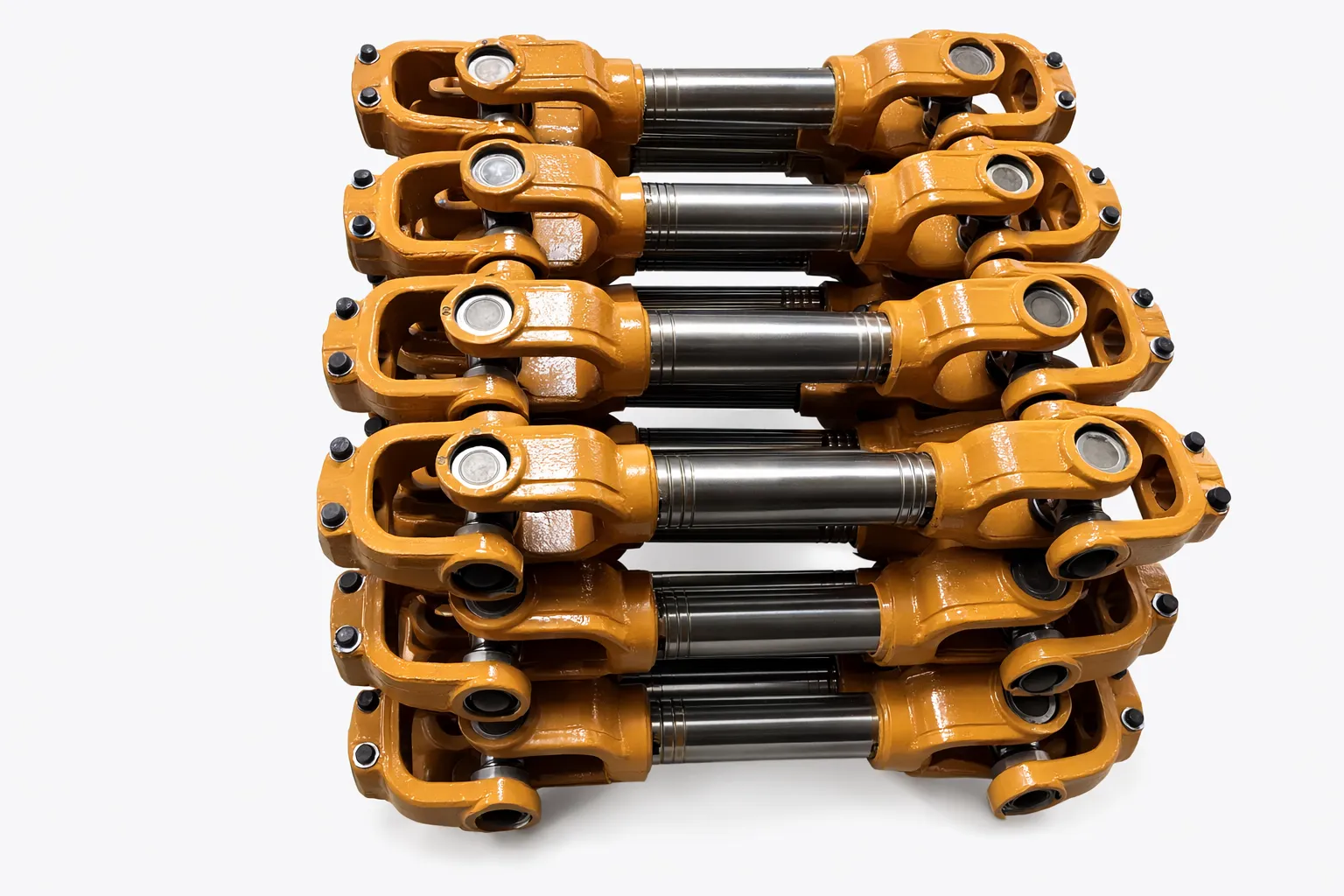
Disengage the tractor engine, remove keys, and apply the parking brake. Use a steel wire brush and non-chlorinated solvent to aggressively clean the tractor’s output spline and the implement’s input shaft. Apply a thin film of lithium-based grease to prevent fretting corrosion.
Length Verification & Cutting
If the shaft is brand new, separate the inner and outer halves. Attach the respective ends to the tractor and the digger. Raise and lower the 3-point linkage (if applicable) or maneuver the drawbar to find the shortest possible distance. Hold the half-shafts parallel and mark them. You must leave at least 40mm of clearance from “bottoming out”. Cut identical lengths from both the steel inner/outer profiles and the plastic guarding tubes using a hacksaw. File away all sharp steel burrs.
Mounting the Clutch & Tractor Yoke
Always install the heavy safety clutch (friction or shear bolt) onto the implement side (the potato digger). Slide the Quick-Disconnect (QD) yoke onto the tractor’s spline. You must hear a distinct metallic “click” as the locking pin engages the spline groove. Vigorously pull back on the yoke to verify full seating.
Chain Securing & Final Inspection
Attach the anti-rotation chains to sturdy, non-moving points on the tractor chassis and implement frame. The chains should have slight slack allowing for cornering, but must not wrap around the guard. Pump EP2 grade grease into all universal joints and the telescopic sliding profiles before field operation.
🛠️
Operational Troubleshooting Diagnostics
Symptom: Severe Vibration or “Chatter” during Operation
Engineer’s Fix: Verify that the inner and outer yokes are precisely in phase (the forks on each end of the telescopic tube must align on the same plane). If the potato digger is operated at extreme offset angles exceeding the universal joint’s capacity, unequal velocity forces induce violent vibrations. Ensure the shaft is dynamically balanced. Inspect cross bearings for shattered needle rollers.
Symptom: Friction Slip Clutch Constantly Smoking / Overheating
Engineer’s Fix: The clutch springs are likely set with inadequate compression, causing premature slip below the intended torque threshold. Tighten the compression bolts evenly based on the specific torque chart. Conversely, if the machine sat idle over winter, the friction discs may have rusted to the steel plates. Disassemble the clutch, clean away rust, and re-torque the springs.
Symptom: Telescopic Tube Seizes / Bends
Engineer’s Fix: The shaft length is incorrect. If the inner tube extends too far out of the outer tube (less than 1/3 overlap remains), the torque leverage bends the steel profile. Additionally, if the sliding tubes are dry, axial loads will cause the profiles to cold-weld together under pressure. Clean the profiles and apply graphite-infused grease.
Symptom: Frequent Shear Bolt Breakage without Apparent Jam
Engineer’s Fix: Check the bolt grade. Using an 8.8 grade bolt when a 10.9 grade is specified will cause premature shearing. Furthermore, check the shear yoke holes. If they are oval-shaped or elongated from previous wear, a guillotine effect will constantly slice the bolt regardless of torque. The yoke must be replaced.
🇦🇺
Engineer’s Field Notes: Australian Application Cases
📍 Bundaberg, QLD
Application: Grimme 2-Row Elevator Digger
Challenge: Heavy, moist volcanic loam causing massive drag on the main web. Competitor drivelines suffered cross-bearing failure every 120 hours.
Intervention: Deployed a Series 8 Ever-power shaft with upgraded Viton seals to withstand heat friction, and a multi-plate clutch.
“We pushed 400 hectares this season. Zero bearing failures, and the torque transfer felt incredibly smooth. Our fuel economy actually improved.” – Farm Fleet Manager, QLD
📍 Ballarat, VIC
Application: Custom-built Trailed Potato Harvester
Challenge: Undulating terrain forced severe PTO articulation angles, destroying standard yokes.
Intervention: Engineered a custom 80-degree Wide Angle CV driveline, allowing continuous power even during sharp headland maneuvers without disengaging the PTO.
“The CV joint completely eliminated the terrifying chatter when turning. This shaft single-handedly saved our tractor’s rear output bearings.” – Owner-Operator, VIC
📍 Devonport, TAS
Application: Standen Single Row Digger
Challenge: Extremely rocky soils. Hidden rocks were violently halting the shaker web, ripping shear bolts and causing huge downtime.
Intervention: Replaced the rigid shear bolt mechanism with an automatic cam cutout clutch. When a rock jams the web, the clutch ratchets harmlessly until cleared, then automatically re-engages.
“The cam clutch is witchcraft. We don’t have to carry a bucket of bolts into the field anymore. It pays for itself in an hour.” – Contract Harvester, TAS
📍 Manjimup, WA
Application: AVR 4-Row Bunker Harvester
Challenge: High ambient temperatures combined with high torque loads at 1000 RPM caused grease to liquefy and escape the cross bearings.
Intervention: Supplied a Series 9 shaft featuring high-temperature synthetic polyurea grease and extended lubrication intervals (250 hours).
“Maintenance intervals plummeted. The shaft runs cooler even in the peak WA heat. Very impressed with the build quality.” – Corporate Farm Director, WA
📍 Mount Gambier, SA
Application: Secondary Potato Cleaner/Sorter
Challenge: Operators were experiencing high risk profiles due to broken and missing plastic guarding on older competitor shafts.
Intervention: Total fleet upgrade to Ever-power AS1121 compliant shafts with UV-stabilized heavy-duty guards and reinforced anchor chains.
“WorkSafe did a spot inspection and passed us with flying colors. The guards are incredibly tough and don’t deform in the sun.” – Safety Compliance Officer, SA
⚙️
Integrated Power: Advanced Agricultural Gearboxes
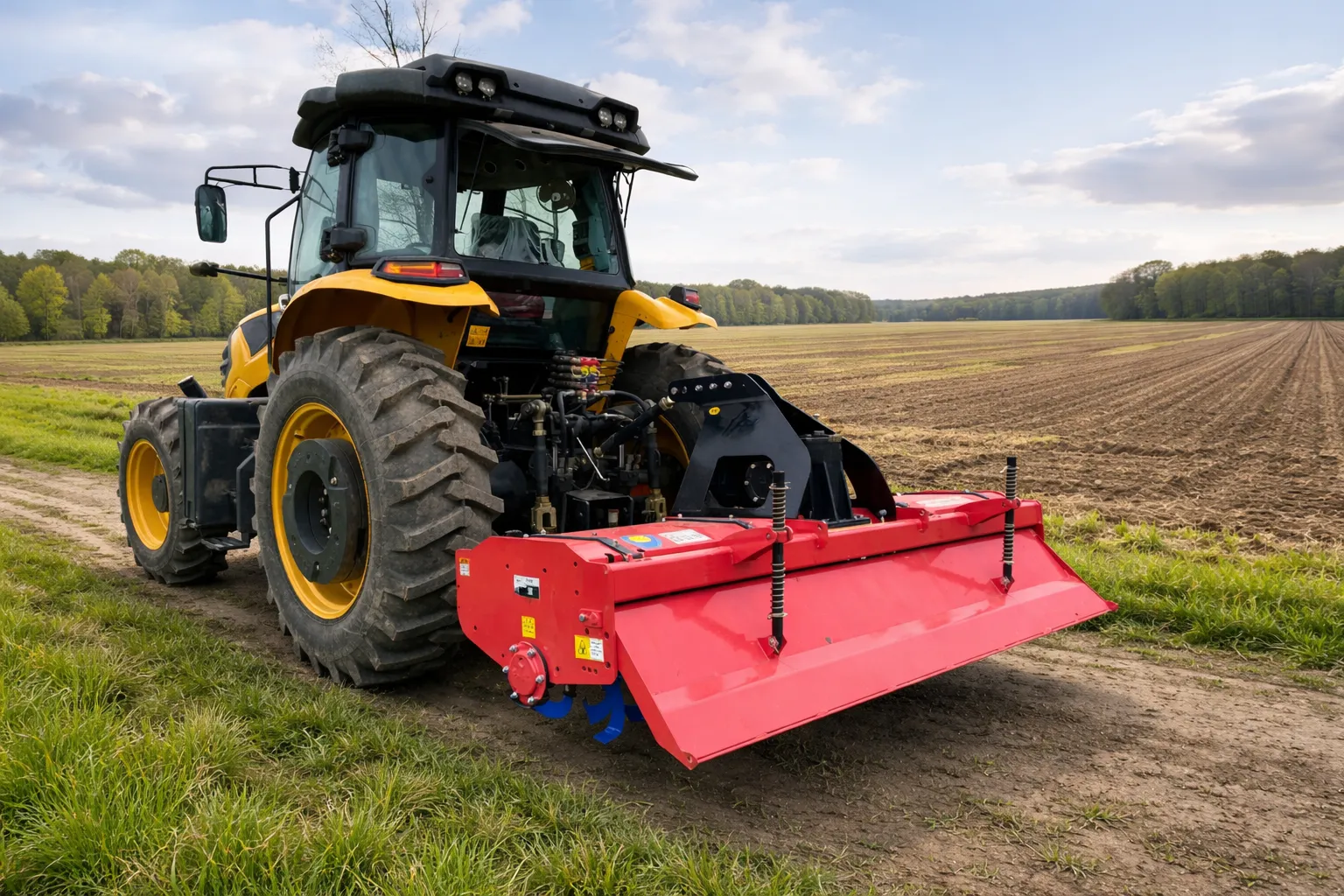
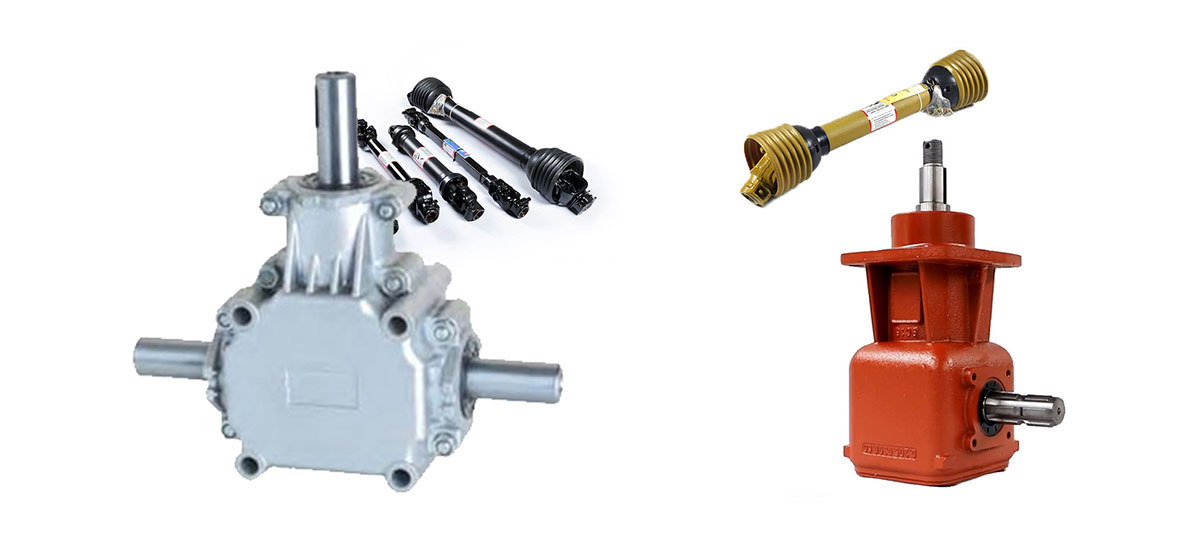
While the PTO driveline transmits power from the tractor, it is the agricultural gearbox that ultimately dictates the speed, direction, and torque multiplication required to operate the intricate mechanical webs of a potato digger. The synergy between a perfectly balanced PTO shaft and a precision-engineered bevel gearbox forms the beating heart of any harvesting implement. At Ever-power, we manufacture proprietary gearboxes engineered specifically for the agonizing demands of root crop extraction.
Inside the chassis of a high-capacity potato harvester, raw rotational power at 540 RPM or 1000 RPM must be instantly split and redirected. Right-angle bevel gearboxes accept the kinetic energy from the implement end of the PTO shaft and route it 90 degrees to drive the primary shaker web elevator. This mechanical environment is hostile. The gear sets are subjected to relentless vibrational chatter as the lifting shares smash through compacted soil layers and subterranean debris.
To combat this, our agricultural gearboxes are cast from high-density SG (Spheroidal Graphite) iron. This specialized casting process absorbs the harmonic vibrations that would otherwise shatter standard grey iron housings. Internally, the spiral bevel gears undergo an exhaustive precision-forging process. Utilizing high-grade 20CrMnTi alloy steel, the gear teeth are CNC-machined to exact tolerances before undergoing a multi-stage carburizing and quenching heat treatment. This results in a tooth surface hardness of 58-62 HRC for unparalleled wear resistance, while maintaining a ductile core capable of flexing slightly under extreme shock loads.
Thermal Dynamics and Lubrication Architecture
When transferring up to 2400 Nm of torque through a 90-degree intersection, the resulting friction generates immense thermal energy. In the scorching heat of the Australian agricultural season, inadequate heat dissipation will boil standard gear oil, leading to catastrophic bearing seizure. Our gearboxes feature an optimized internal geometry designed around synthetic ISO VG 220 gear oil.
We integrate oversized, heavy-duty tapered roller bearings sourced from top-tier bearing foundries. These bearings are arranged in an opposed configuration to easily absorb the massive axial thrust loads generated by the helical cut of the gears. Furthermore, sealing this internal ecosystem is paramount. A potato farm is an environment saturated in fine silica dust and mud. We utilize advanced multi-lip Viton oil seals running on hardened, micro-polished shaft journals. This impenetrable barrier prevents the ingress of abrasive contaminants while retaining the vital lubrication envelope.
Customization is standard operating procedure at our manufacturing facilities. If an OEM requires a non-standard input spline, a unique step-up or step-down gear ratio, or a specialized multi-directional splitter gearbox for a complex 4-row bunker harvester, our engineering department rapid-prototypes the solution. When paired with our premium PTO shafts, you secure a fully synchronized, unbreakable drivetrain.
Complete Mechanical Integration: Component Ecosystem
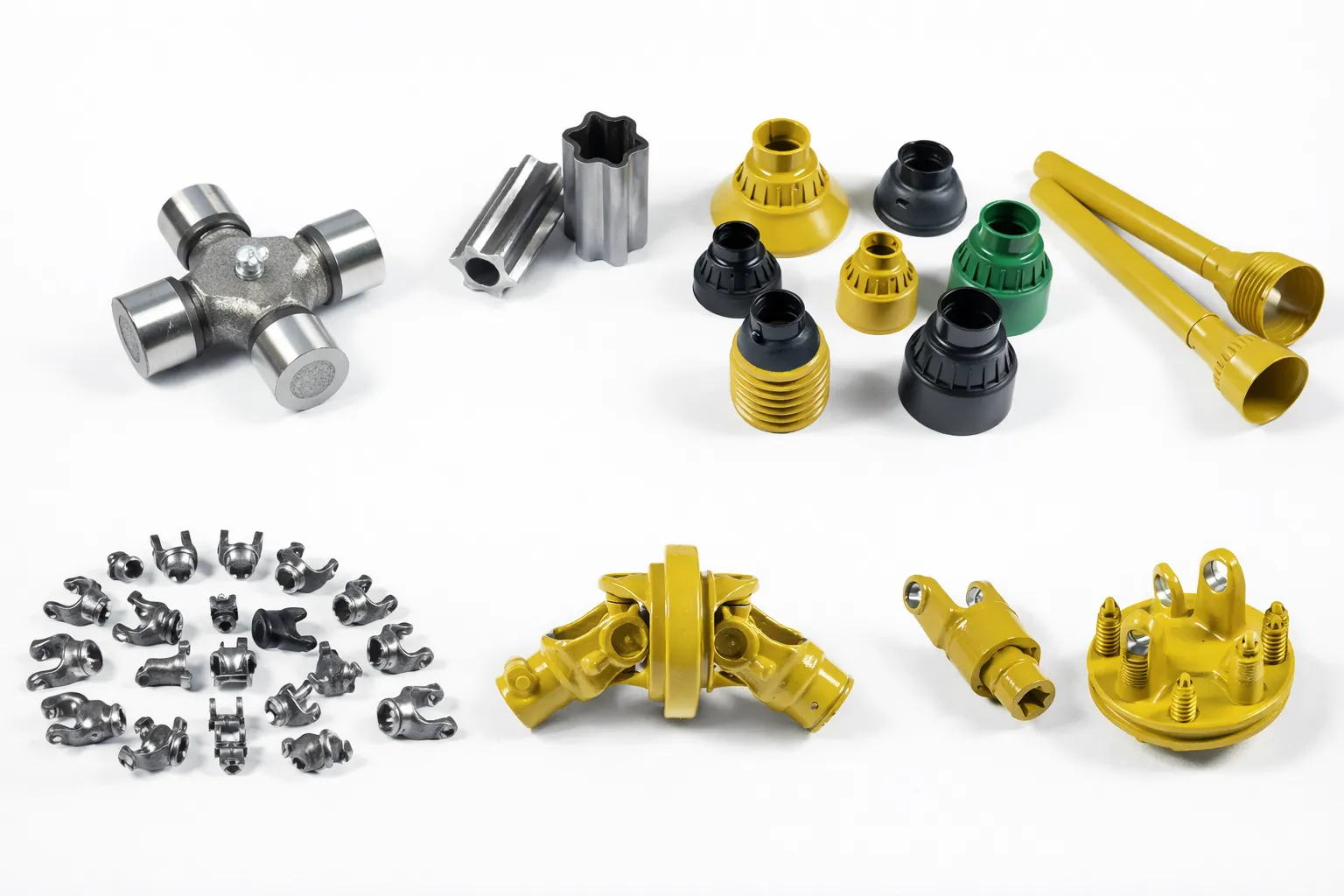
Universal Joint Kits
Heavy-duty cross and bearing kits featuring forged journals, premium needle rollers, and high-temp grease reservoirs. Direct replacements for standard agricultural dimensions.
Sprockets & Gears
Induction-hardened roller chain sprockets and precision-cut gears designed specifically for the shaker webs and elevator drives of potato diggers.
Agricultural Roller Chain
High-tensile strength agricultural chains (CA550, CA555, CA620) offering exceptional wear resistance in highly abrasive, dirty environments.
Pulleys & Sheaves
Dynamically balanced V-belt cast iron pulleys for ancillary drives on harvesters. Engineered to prevent belt slippage under heavy loads.
❓
Engineering & Application Common Questions
1. Why does my potato digger need a friction slip clutch instead of a shear bolt?
Potato soils often contain hidden rocks. A shear bolt completely snaps when hitting an obstruction, forcing you to stop the tractor, dismount, align the yokes, and replace the bolt. A friction clutch slips thermally upon impact, allowing the obstacle to clear, and then instantly regains grip without intervention, saving massive downtime.
2. What is the benefit of a Wide Angle (CV) joint?
A standard U-joint creates violent velocity fluctuations if operated at angles exceeding 15 degrees. A CV joint allows the operator to execute sharp headland turns up to 80 degrees without disengaging the PTO, providing continuous, smooth power to the harvester.
3. Are your plastic safety guards UV resistant for the Australian sun?
Yes. Our shielding tubes are manufactured from a high-density polyethylene blend infused with UV-stabilizers. They resist embrittlement, cracking, and fading even under prolonged exposure to severe sunlight, remaining fully AS 1121 compliant.
4. How do I know if I need a Lemon Profile or a Triangular Profile tube?
Lemon profile tubes (German style) offer superior wall thickness distribution and handle high torque with less torsional twist, making them ideal for heavy root crop harvesters. Triangular tubes (Italian style) are slightly more economical and great for lighter duty operations.
5. Can you manufacture a shaft that fits my vintage harvester?
Absolutely. As an OEM manufacturer, we provide custom machining. If you provide the spline count, yoke dimensions, and overall length, our engineering team can fabricate an exact, modernized replacement.
6. What happens if the shaft telescopes out too far while driving?
If less than 1/3 of the profile length is overlapping inside the tube, the torsional forces will leverage against the tube walls, causing them to bend or shatter. Always measure carefully to maintain overlap during full implement drop.
7. Why do you use 20CrMnTi steel for the yokes?
20CrMnTi is a low-carbon alloy steel containing Chromium, Manganese, and Titanium. After carburizing, it achieves incredible surface hardness (resisting wear from the bearings) while maintaining a tough, ductile core that absorbs the shock of rock impacts without snapping.
8. Do I need an Overrunning Clutch (Freewheel)?
Yes, for heavy rotational implements like potato diggers. The immense spinning weight of the web elevators creates kinetic inertia. If you suddenly throttle down the tractor, that inertia will back-drive into the tractor transmission, causing severe damage. The freewheel allows the implement to spin down safely.
9. How frequently should the universal joints be greased?
Under normal conditions, every 50 hours of operation. However, in extremely dusty or muddy environments like potato digging, we recommend greasing every 20 hours to purge contaminants. We also offer extended-life sealed bearings for 250-hour intervals.
10. How do you ensure dynamic balance?
Every assembled shaft is placed on a computerized balancing rig. Any mass deviations are corrected by welding small steel balance weights to the tube, achieving a G6.3 standard tolerance. This prevents harmonic vibrations from destroying your bearings.
Engineered for the Field. Built to Your Specifications.
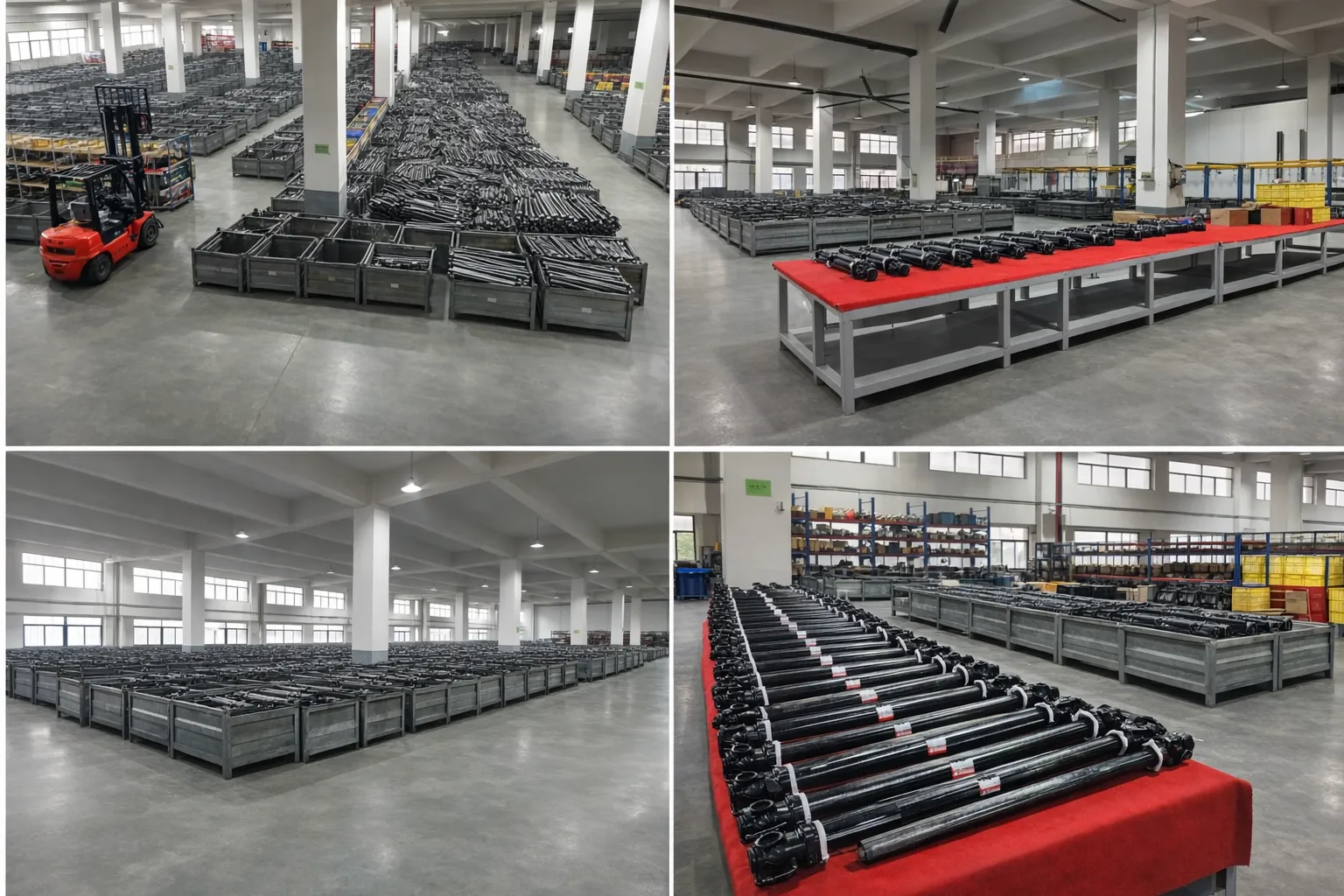
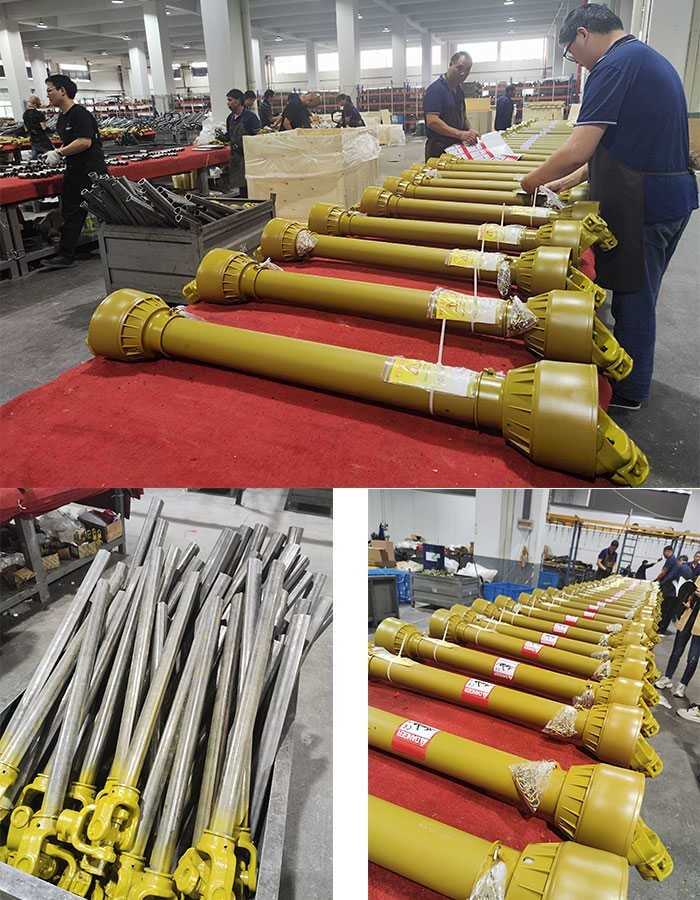
As a premier manufacturer of power transmission ecosystems, Ever-power possesses state-of-the-art forging lines, CNC machining centers, and dynamic balancing facilities. We do not just supply standard off-the-shelf components. We specialize in OEM and ODM non-standard custom manufacturing. Whether you require bespoke spline dimensions, specific heavy-duty clutch ratings, or custom gearbox ratios, our engineering department will turn your technical drawings into forged reality.
Equip your agricultural fleet with impenetrable drivetrains. Submit your blueprints or sample specifications today.