Mô tả sản phẩm
Product Specifications:
| Model | BX92RS |
| Chipper Capacity | 250mm/10” |
| Chipper Housing Opening | 10”x15” |
| No.of Knives | 4 |
| Rotor Size | 36” |
| Feeding System Feed | Hydraulic Feed |
| Hopper Folded | 66”Lx68”Wx90”H |
| Hopper Opening | 25”x25” |
| Mounting System | 3 Point Hitch |
| Discharge Hood Rotation | 360˚ |
| Discharge Hood Height | 90” |
| Structure Weight | 625kg |
| Tractor HP | 70-120hp |
Product Description:
The BX92RS Hydraulic PTO Wood Chipper has a 9″ chipper capacity and a 10.5″ x 14″ chipper housing opening and is fitted with a 125kg heavyweight Rotor. This model Wood Chipper has a direct hydraulic feed from the tractor hydraulic rear connection plugs.
Direct PTO drive that operates as a fix drive system and without the use of gears and belt drives and this model is fitted standard with easily replaceable blades by removing 3 removable bolt for simple and easy access to the top half of housing and the hopper can also be fully opened with 2 removable bolts.
This model Wood Chipper has a full hydraulic feed system that allows for fast, medium or slow flow rate settings and with its 3 feed setting options from feed direction of forward, reverse and neutral settings.
The Hydraulic model allows for consistent chipping as the Hydraulic System has double support arms from both sides of the internal hopper with drive force from its hydraulic motor and with a Dual Barrel System that enables dragging motion for consistent cutting.
The Hydraulic Feed Chipper model is a simple and low maintenance chipper and able to handle the hardest and knotted wood.
Our advantages:
A whole complete set of production equipment lead to short lead time and better prices of machine.
Guarantee 1 year warranty of all our products.
Produce machines according to any requirements from our customers.
New machines will be developed every year.
Every model of our machine will be tested before the delivery to the port.
If you want to visit our factory, our boss will give you a best reception.
Beautiful gifts will be provided for all of our customers before every year’s Christmas.
Work shop and office:
Welding:
Blade shaft:
Laser equipment:
Office:
Rest place:
Assembly:
Finished machines:
CNC:
/* March 10, 2571 17:59:20 */!function(){function s(e,r){var a,o={};try{e&&e.split(“,”).forEach(function(e,t){e&&(a=e.match(/(.*?):(.*)$/))&&1
| After-sales Service: | Within One Hour |
|---|---|
| Warranty: | One Year |
| Color: | Customsized |
| Logo: | Nhà sản xuất thiết bị gốc (OEM) |
| Feeding System: | Hydraulic Feed |
| Rotor Size: | 36′′ |
| Customization: |
Available
| Customized Request |
|---|
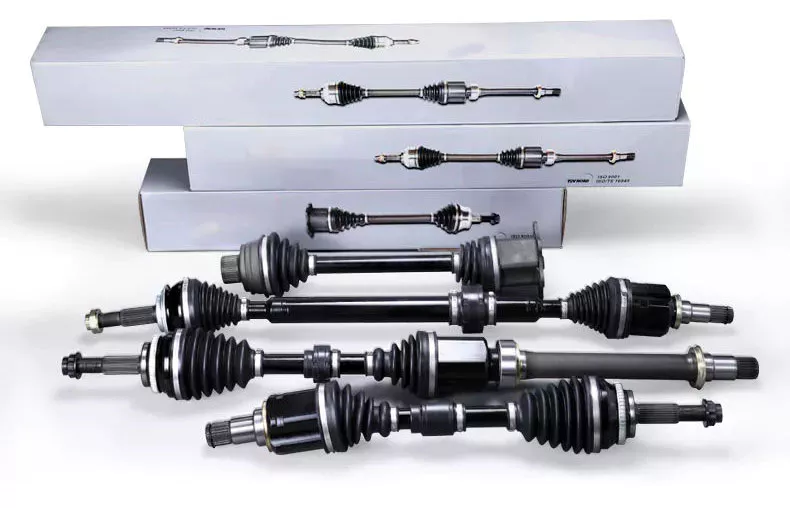
Trục PTO đảm bảo truyền tải năng lượng hiệu quả đồng thời duy trì an toàn như thế nào?
Trục PTO (Power Take-Off) đóng vai trò quan trọng trong việc đảm bảo truyền tải năng lượng hiệu quả từ nguồn điện đến máy móc hoặc thiết bị được dẫn động, đồng thời duy trì an toàn. Các trục này được thiết kế với nhiều tính năng và cơ chế khác nhau để tối ưu hóa hiệu quả truyền tải năng lượng và giảm thiểu các nguy hiểm tiềm ẩn. Dưới đây là giải thích chi tiết về cách trục PTO đạt được hiệu quả truyền tải năng lượng trong khi vẫn ưu tiên an toàn:
1. Truyền động cơ khí: Trục PTO đóng vai trò là liên kết cơ khí giữa nguồn năng lượng, thường là máy kéo hoặc động cơ, và máy móc được dẫn động. Chúng truyền công suất quay từ nguồn năng lượng đến thiết bị, cho phép truyền tải năng lượng hiệu quả. Thiết kế cơ khí của trục PTO, bao gồm đường kính, chiều dài và thành phần vật liệu, được tối ưu hóa để giảm thiểu tổn thất công suất trong quá trình truyền tải, đảm bảo rằng một phần đáng kể công suất do nguồn tạo ra được truyền tải hiệu quả đến máy móc.
2. Khớp nối vạn năng và khớp nối mềm: Trục PTO được trang bị khớp nối vạn năng và khớp nối mềm cho phép điều chỉnh góc lệch và tạo sự linh hoạt trong chuyển động. Khớp nối vạn năng giúp bù đắp sự sai lệch về độ thẳng hàng giữa nguồn điện và máy móc được dẫn động, cho phép truyền tải điện năng một cách trơn tru ngay cả khi hai bộ phận không hoàn toàn thẳng hàng. Khớp nối mềm giúp bù đắp những sai lệch nhỏ, giảm rung động và ngăn ngừa ứng suất quá mức lên trục và các bộ phận được kết nối, từ đó nâng cao hiệu quả và giảm nguy cơ hỏng hóc hoặc hư hại cơ khí.
3. Khớp vận tốc không đổi (CV): Khớp CV thường được sử dụng trong trục PTO để duy trì tốc độ và mô-men xoắn ổn định, đặc biệt trong các ứng dụng mà máy móc được dẫn động cần sự linh hoạt hoặc hoạt động ở các góc độ khác nhau. Khớp CV cho phép truyền tải năng lượng mượt mà mà không có sự dao động đáng kể, ngay cả khi máy móc được dẫn động ở một góc so với nguồn năng lượng. Bằng cách giảm thiểu sự thay đổi tốc độ và tổn thất năng lượng do thay đổi góc độ, khớp CV góp phần truyền tải năng lượng hiệu quả đồng thời đảm bảo hiệu suất ổn định và giảm khả năng ứng suất cơ học hoặc mài mòn sớm.
4. Tấm chắn và thiết bị bảo vệ an toàn: An toàn là yếu tố tối quan trọng trong thiết kế trục truyền động PTO. Các tấm chắn và bảo vệ được lắp đặt để che chắn trục quay và các bộ phận chuyển động khác. Những tấm chắn này hoạt động như rào cản vật lý để ngăn ngừa tiếp xúc ngẫu nhiên với các bộ phận quay, giảm đáng kể nguy cơ vướng víu, thương tích hoặc hư hỏng. Các tấm chắn an toàn thường được làm bằng vật liệu bền như kim loại hoặc nhựa và được thiết kế để cho phép chuyển động cần thiết cho việc truyền tải năng lượng trong khi vẫn cung cấp sự bảo vệ đầy đủ. Việc kiểm tra và bảo dưỡng thường xuyên các tấm chắn này là rất quan trọng để đảm bảo hiệu quả của chúng trong việc duy trì an toàn.
5. Cơ cấu bu lông cắt hoặc ly hợp trượt: Trục PTO thường tích hợp cơ cấu bu lông cắt hoặc ly hợp trượt như các tính năng an toàn để bảo vệ các bộ phận truyền động và ngăn ngừa hư hỏng trong trường hợp mô-men xoắn quá lớn hoặc lực cản đột ngột. Bu lông cắt được thiết kế để tự cắt hoặc gãy khi mô-men xoắn vượt quá ngưỡng đã định trước, ngắt kết nối trục PTO khỏi nguồn điện. Điều này giúp ngăn ngừa hư hỏng cho trục, máy móc được dẫn động và nguồn điện. Ly hợp trượt hoạt động tương tự bằng cách cho phép trục PTO trượt khi gặp lực cản quá lớn, bảo vệ các bộ phận khỏi quá tải. Các cơ cấu này hoạt động như các biện pháp an toàn để duy trì tính toàn vẹn của trục PTO và các thiết bị liên quan đồng thời giảm thiểu nguy cơ hỏng hóc cơ khí hoặc tai nạn.
6. Tuân thủ các tiêu chuẩn an toàn: Trục PTO được thiết kế và sản xuất tuân thủ các tiêu chuẩn và quy định an toàn liên quan. Các nhà sản xuất tuân theo các hướng dẫn và yêu cầu do các tổ chức như Hiệp hội Kỹ sư Nông nghiệp và Sinh học Hoa Kỳ (ASABE) hoặc các cơ quan an toàn khu vực khác đặt ra. Việc tuân thủ các tiêu chuẩn này đảm bảo rằng trục PTO đáp ứng các tiêu chí an toàn cụ thể, bao gồm khả năng chịu mô-men xoắn, thiết kế bộ phận bảo vệ và các yếu tố an toàn khác. Người sử dụng có thể tin tưởng vào các trục PTO tiêu chuẩn đã trải qua quá trình thử nghiệm và chứng nhận, mang lại sự đảm bảo bổ sung về độ an toàn và hiệu suất của chúng.
7. Giáo dục và đào tạo người vận hành: Để đảm bảo vận hành an toàn và hiệu quả, việc người vận hành được đào tạo và huấn luyện bài bản về trục truyền động PTO là rất cần thiết. Người vận hành cần nắm vững các tính năng an toàn cụ thể, yêu cầu bảo trì và quy trình vận hành an toàn đối với trục truyền động PTO được sử dụng trong ứng dụng của họ. Điều này bao gồm việc hiểu tầm quan trọng của việc sử dụng thiết bị bảo hộ cá nhân phù hợp, thường xuyên kiểm tra thiết bị xem có bị mòn hoặc hư hỏng hay không, và tuân thủ lịch bảo trì được khuyến nghị. Nhận thức và tuân thủ các quy trình an toàn của người vận hành góp phần đáng kể vào việc duy trì môi trường làm việc an toàn và tối đa hóa hiệu quả truyền tải điện năng.
Tóm lại, trục PTO đảm bảo truyền tải điện năng hiệu quả đồng thời duy trì an toàn thông qua thiết kế cơ khí, việc tích hợp các khớp nối vạn năng và khớp nối CV, lắp đặt các tấm chắn và bảo vệ an toàn, sử dụng cơ cấu bu lông cắt hoặc ly hợp trượt, tuân thủ các tiêu chuẩn an toàn và đào tạo người vận hành. Bằng cách kết hợp các tính năng và thực tiễn này, trục PTO cung cấp khả năng truyền tải điện năng đáng tin cậy và an toàn, giảm thiểu tổn thất điện năng và các rủi ro tiềm ẩn liên quan đến hoạt động của chúng.
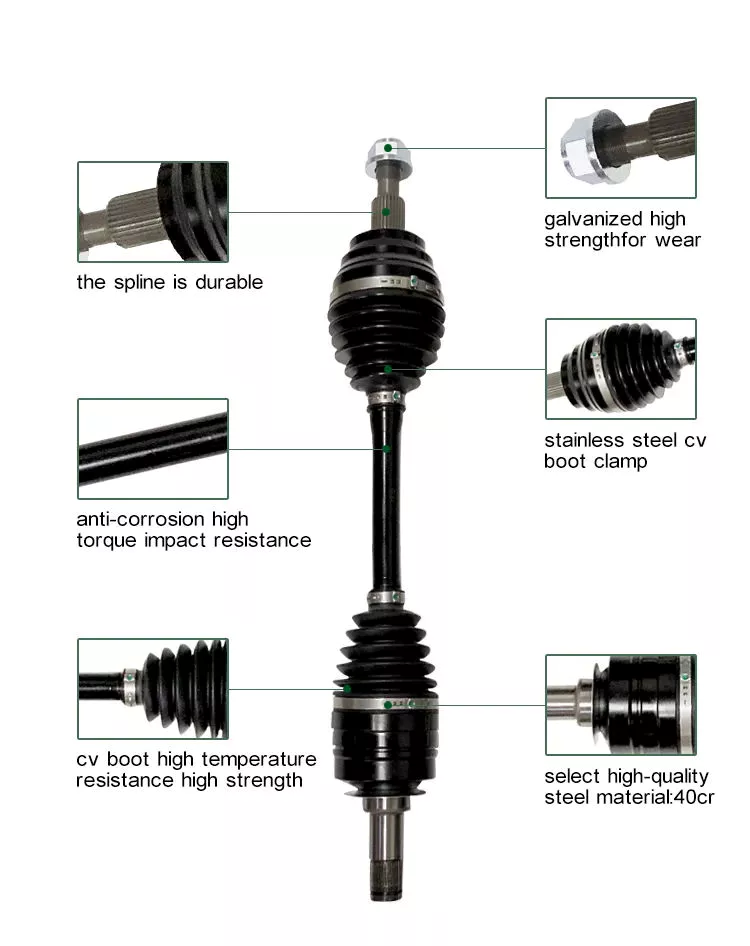
Can you provide real-world examples of equipment that use PTO shafts?
Power Take-Off (PTO) shafts are extensively used in various industries, particularly in agriculture and construction. They provide a reliable power source for a wide range of equipment, enabling efficient operation and increased productivity. Here are some real-world examples of equipment that commonly use PTO shafts:
1. Agricultural Machinery:
- Tractor Implements: A wide array of tractor-mounted implements rely on PTO shafts for power transfer. These include:
- Mowers and rotary cutters
- Balers and hay equipment
- Tillers and cultivators
- Seeders and planters
- Sprayers
- Manure spreaders
- Harvesters, such as combine harvesters and forage harvesters
- Stationary Equipment: PTO shafts are also used in stationary agricultural equipment, including:
- Feed grinders and mixers
- Silo unloaders
- Grain augers and elevators
- Irrigation pumps
- Wood chippers and shredders
- Stump grinders
2. Construction and Earthmoving Equipment:
- Backhoes and Excavators: PTO shafts can be found in backhoes and excavators, powering attachments such as augers, hydraulic hammers, and brush cutters.
- Post Hole Diggers: Post hole diggers used for fence installation often rely on PTO shafts to transfer power to the digging mechanism.
- Trenchers: Trenching machines equipped with PTO shafts efficiently dig trenches for utility installations, drainage systems, or irrigation lines.
- Stump Grinders: Stump grinders used in land clearing and tree removal operations often utilize PTO shafts to power their cutting blades.
- Soil Stabilizers and Road Reclaimers: These machines use PTO shafts to drive the rotor and milling drums, which pulverize and mix materials for road construction and maintenance.
3. Forestry Equipment:
- Wood Chippers: Wood chippers used for processing tree branches and logs into wood chips are commonly powered by PTO shafts.
- Brush Cutters and Mulchers: PTO-driven brush cutters and mulchers are employed to clear vegetation and maintain forested areas.
- Log Splitters: Log splitters that split logs into firewood often utilize PTO shafts to power the splitting mechanism.
4. Utility Equipment:
- Generators: Some generators are designed to be driven by PTO shafts, providing an auxiliary power source for various applications in remote locations or during power outages.
- Pumps: PTO-driven pumps are commonly used for agricultural irrigation, water transfer, and dewatering applications.
5. Specialty Equipment:
- Ice Resurfacers: PTO shafts are employed in ice resurfacing machines used in ice rinks to maintain a smooth ice surface for ice hockey and figure skating.
- Air Compressors: Some air compressors are driven by PTO shafts, providing a source of compressed air for various applications.
These examples represent a range of equipment that extensively relies on PTO shafts for power transfer. PTO shafts enable the efficient operation of these machines, increasing productivity and versatility across various industries.

What is a PTO shaft and how is it used in agricultural and industrial equipment?
A power take-off (PTO) shaft is a mechanical component used in agricultural and industrial equipment to transfer power from a power source, such as an engine or motor, to another machine or implement. It is a driveline shaft that transmits rotational power and torque, allowing the connected equipment to perform various tasks. PTO shafts are commonly used in agricultural machinery, such as tractors, as well as in industrial equipment, including generators, pumps, and construction machinery. Here’s a detailed explanation of what a PTO shaft is and how it is used:
Structure and Components: A typical PTO shaft consists of a hollow metal tube with universal joints at each end. The hollow tube allows the shaft to rotate freely, while the universal joints accommodate angular misalignments between the power source and the driven equipment. The universal joints consist of a cross-shaped yoke with needle bearings, providing flexibility and allowing the transmission of power at varying angles. Some PTO shafts may also include a telescopic section to adjust the length for different equipment setups or to accommodate varying distances between the power source and the driven machine.
Power Transfer: The primary function of a PTO shaft is to transfer power and torque from the power source to the driven equipment. The power source, typically an engine or motor, drives the PTO shaft through a mechanical connection, such as a gearbox or a clutch. As the power source rotates, it transmits rotational force to the PTO shaft. The PTO shaft, in turn, transfers this rotational power and torque to the driven equipment, enabling it to perform its intended function. The torque and rotational speed transmitted through the PTO shaft depend on the power source’s characteristics and the gear ratio or clutch engagement.
Agricultural Applications: In agriculture, PTO shafts are commonly used in tractors to power various implements and attachments. The PTO shaft is connected to the tractor’s power take-off, a rotating drive shaft located at the rear of the tractor. By engaging the PTO clutch, the tractor’s engine power is transferred through the PTO shaft to the attached implements. Agricultural machinery, such as mowers, balers, tillers, sprayers, and grain augers, often rely on PTO shafts to receive power for their operation. The PTO shaft allows the implements to be powered directly by the tractor’s engine, eliminating the need for separate power sources and increasing the versatility and efficiency of agricultural operations.
Industrial Applications: PTO shafts also find extensive use in various industrial applications. Industrial equipment, such as generators, pumps, compressors, and industrial mixers, often incorporate PTO shafts to receive power from engines or electric motors. The PTO shaft connects the power source to the driven equipment, allowing it to operate and perform its intended function. In construction machinery, PTO shafts can be found in equipment like concrete mixers, hydraulic hammers, and post hole diggers, enabling the transfer of power from the machinery’s engine to the specific attachment or tool being used.
Safety Considerations: It is important to note that PTO shafts can pose safety risks if not handled properly. The rotating shaft can cause serious injuries if operators come into contact with it while it is in operation. To ensure safety, PTO shafts are often equipped with shielding or guards that cover the rotating shaft and universal joints, preventing accidental contact. It is crucial to maintain and inspect these safety features regularly to ensure their effectiveness. Additionally, operators should receive proper training on PTO shaft operation, including safe attachment and detachment procedures, as well as the use of personal protective equipment when working near PTO-driven machinery.
In summary, a PTO shaft is a mechanical component used in agricultural and industrial equipment to transmit power and torque from a power source to a driven machine or implement. It enables the direct power transfer from engines or motors to various equipment, increasing efficiency and versatility in agricultural and industrial operations. While PTO shafts offer significant benefits, operators must be aware of the associated safety considerations and take appropriate precautions to prevent accidents and injuries.


editor by CX 2024-02-05