Produktbeskrivning
As a professional manufacturer for propeller shaft, we have +8/8822 0571 8
45710-S10-A01
12344543
27111-SC571
936-571
45710-S9A-E01
936-911
27111-AJ13D
936-034
45710-S9A-J01
936-916
27101-84C00
for MITSUBISHI/NISSAN
for TOYOTA
CARDONE
OE
CARDONE
OE
65-3009
MR580626
65-5007
37140-35180
65-6000
3401A571
65-9842
37140-35040
65-9480
37000-JM14A
65-5571
37100-3D250
65-9478
37000-S3805
65-5030
37100-34120
65-6004
37000-S4203
65-9265
37110-3D070
65-6571
37041-90062
65-9376
37110-35880
936-262
37041-90014
65-5571
37110-3D220
938-030
37300-F3600
65-5571
37100-34111
936-363
37000-7C002
65-5018
37110-3D060
938-200
37000-7C001
65-5012
37100-5712
for KOREA CAR
for HYUNDAI/KIA
CARDONE
OE
CARDONE
OE
65-3502
49571-H1031
936-211
49100-3E450
65-3503
49300-2S000
936-210
49100-3E400
65-3500
49300-0L000
936-200
49300-2P500
/* March 10, 2571 17:59:20 */!function(){function s(e,r){var a,o={};try{e&&e.split(“,”).forEach(function(e,t){e&&(a=e.match(/(.*?):(.*)$/))&&1
| After-sales Service: | 1 Year |
|---|---|
| Condition: | New |
| Color: | Black |
| Certification: | ISO, IATF |
| Type: | Propeller Shaft/Drive Shaft |
| Application Brand: | Mercedes Benz |
| Samples: |
US$ 300/Piece
1 Piece(Min.Order) | |
|---|
| Customization: |
Available
| Customized Request |
|---|
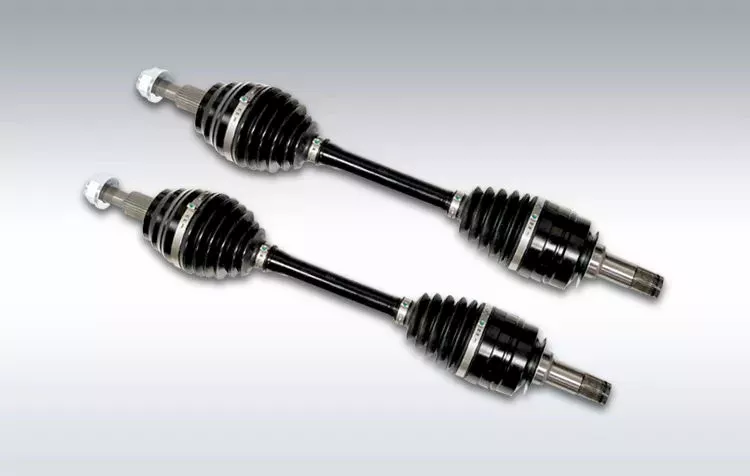
How do manufacturers ensure the compatibility of drive shafts with different equipment?
Manufacturers employ various strategies and processes to ensure the compatibility of drive shafts with different equipment. Compatibility refers to the ability of a drive shaft to effectively integrate and function within a specific piece of equipment or machinery. Manufacturers take into account several factors to ensure compatibility, including dimensional requirements, torque capacity, operating conditions, and specific application needs. Here’s a detailed explanation of how manufacturers ensure the compatibility of drive shafts:
1. Application Analysis:
Manufacturers begin by conducting a thorough analysis of the intended application and equipment requirements. This analysis involves understanding the specific torque and speed demands, operating conditions (such as temperature, vibration levels, and environmental factors), and any unique characteristics or constraints of the equipment. By gaining a comprehensive understanding of the application, manufacturers can tailor the design and specifications of the drive shaft to ensure compatibility.
2. Customization and Design:
Manufacturers often offer customization options to adapt drive shafts to different equipment. This customization involves tailoring the dimensions, materials, joint configurations, and other parameters to match the specific requirements of the equipment. By working closely with the equipment manufacturer or end-user, manufacturers can design drive shafts that align with the equipment’s mechanical interfaces, mounting points, available space, and other constraints. Customization ensures that the drive shaft fits seamlessly into the equipment, promoting compatibility and optimal performance.
3. Torque and Power Capacity:
Drive shaft manufacturers carefully determine the torque and power capacity of their products to ensure compatibility with different equipment. They consider factors such as the maximum torque requirements of the equipment, the expected operating conditions, and the safety margins necessary to withstand transient loads. By engineering drive shafts with appropriate torque ratings and power capacities, manufacturers ensure that the shaft can handle the demands of the equipment without experiencing premature failure or performance issues.
4. Material Selection:
Manufacturers choose materials for drive shafts based on the specific needs of different equipment. Factors such as torque capacity, operating temperature, corrosion resistance, and weight requirements influence material selection. Drive shafts may be made from various materials, including steel, aluminum alloys, or specialized composites, to provide the necessary strength, durability, and performance characteristics. The selected materials ensure compatibility with the equipment’s operating conditions, load requirements, and other environmental factors.
5. Joint Configurations:
Drive shafts incorporate joint configurations, such as universal joints (U-joints) or constant velocity (CV) joints, to accommodate different equipment needs. Manufacturers select and design the appropriate joint configuration based on factors such as operating angles, misalignment tolerances, and the desired level of smooth power transmission. The choice of joint configuration ensures that the drive shaft can effectively transmit power and accommodate the range of motion required by the equipment, promoting compatibility and reliable operation.
6. Quality Control and Testing:
Manufacturers implement stringent quality control processes and testing procedures to verify the compatibility of drive shafts with different equipment. These processes involve conducting dimensional inspections, material testing, torque and stress analysis, and performance testing under simulated operating conditions. By subjecting drive shafts to rigorous quality control measures, manufacturers can ensure that they meet the required specifications and performance criteria, guaranteeing compatibility with the intended equipment.
7. Compliance with Standards:
Manufacturers ensure that their drive shafts comply with relevant industry standards and regulations. Compliance with standards, such as ISO (International Organization for Standardization) or specific industry standards, provides assurance of quality, safety, and compatibility. Adhering to these standards helps manufacturers meet the expectations and requirements of equipment manufacturers and end-users, ensuring that the drive shafts are compatible and can be seamlessly integrated into different equipment.
8. Collaboration and Feedback:
Manufacturers often collaborate closely with equipment manufacturers, OEMs (Original Equipment Manufacturers), or end-users to gather feedback and incorporate their specific requirements into the drive shaft design and manufacturing processes. This collaborative approach ensures that the drive shafts are compatible with the intended equipment and meet the expectations of the end-users. By actively seeking input and feedback, manufacturers can continuously improve their products’ compatibility and performance.
In summary, manufacturers ensure the compatibility of drive shafts with different equipment through a combination of application analysis, customization, torque and power capacity considerations, material selection, joint configurations, quality control and testing, compliance with standards, and collaboration with equipment manufacturers and end-users. These efforts enable manufacturers to design and produce drive shafts that seamlessly integrate with various equipment, ensuring optimal performance, reliability, and compatibility in different applications.
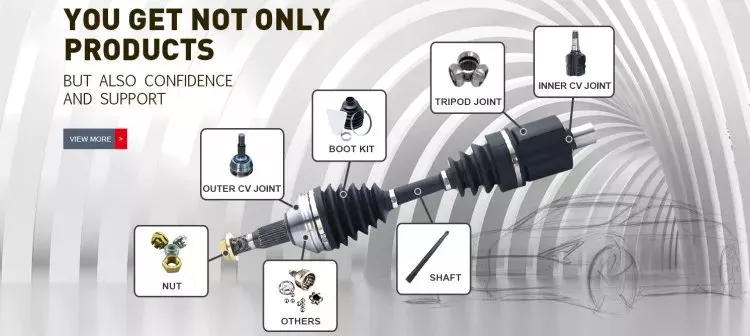
Hur förbättrar drivaxlar prestandan hos bilar och lastbilar?
Drivaxlar spelar en viktig roll för att förbättra prestandan hos bilar och lastbilar. De bidrar till olika aspekter av fordonets prestanda, inklusive kraftöverföring, grepp, väghållning och total effektivitet. Här är en detaljerad förklaring av hur drivaxlar förbättrar prestandan hos bilar och lastbilar:
1. Strömförsörjning: Drivaxlar ansvarar för att överföra kraft från motorn till hjulen, vilket gör att fordonet kan röra sig framåt. Genom att effektivt överföra kraft utan betydande förluster säkerställer drivaxlar att motorns kraft utnyttjas effektivt, vilket resulterar i förbättrad acceleration och total prestanda. Väl utformade drivaxlar med minimal effektförlust bidrar till fordonets förmåga att leverera kraft till hjulen effektivt.
2. Momentöverföring: Drivaxlar underlättar överföringen av vridmoment från motorn till hjulen. Vridmoment är den rotationskraft som driver fordonet framåt. Högkvalitativa drivaxlar med korrekt momentomvandlingsförmåga säkerställer att det vridmoment som genereras av motorn överförs effektivt till hjulen. Detta förbättrar fordonets förmåga att accelerera snabbt, dra tunga laster och klättra i branta sluttningar, vilket förbättrar den totala prestandan.
3. Grepp och stabilitet: Drivaxlar bidrar till väggreppet och stabiliteten hos bilar och lastbilar. De överför kraft till hjulen, vilket gör att de kan utöva kraft på vägytan. Detta gör att fordonet kan bibehålla väggreppet, särskilt vid acceleration eller vid körning på halt eller ojämn terräng. Den effektiva kraftleveransen genom drivaxlarna förbättrar fordonets stabilitet genom att säkerställa en balanserad kraftfördelning till alla hjul, vilket förbättrar kontrollen och väghållningen.
4. Hantering och manövrerbarhet: Drivaxlar påverkar fordons väghållning och manövrerbarhet. De hjälper till att skapa en direkt koppling mellan motorn och hjulen, vilket möjliggör exakt kontroll och responsiv väghållning. Väl utformade drivaxlar med minimalt glapp bidrar till en mer direkt och omedelbar respons på förarens insatser, vilket förbättrar fordonets smidighet och manövrerbarhet.
5. Viktminskning: Drivaxlar kan bidra till viktminskning i bilar och lastbilar. Lätta drivaxlar tillverkade av material som aluminium eller kolfiberförstärkta kompositer minskar fordonets totalvikt. Den minskade vikten förbättrar effekt-vikt-förhållandet, vilket resulterar i bättre acceleration, väghållning och bränsleeffektivitet. Dessutom minskar lätta drivaxlar rotationsmassan, vilket gör att motorn kan varva snabbare och ytterligare förbättrar prestandan.
6. Mekanisk effektivitet: Effektiva drivaxlar minimerar energiförluster vid kraftöverföring. Genom att integrera funktioner som högkvalitativa lager, lågfriktionstätningar och optimerad smörjning minskar drivaxlarna friktion och minimerar effektförluster på grund av inre motstånd. Detta förbättrar drivlinans mekaniska effektivitet, vilket gör att mer kraft når hjulen och förbättrar fordonets totala prestanda.
7. Prestandauppgraderingar: Uppgraderingar av drivaxlar kan vara populära prestandaförbättringar för entusiaster. Uppgraderade drivaxlar, till exempel de som är tillverkade av starkare material eller med förbättrad vridmomentkapacitet, kan hantera högre effekt från modifierade motorer. Dessa uppgraderingar möjliggör ökad prestanda, såsom förbättrad acceleration, högre topphastigheter och bättre övergripande kördynamik.
8. Kompatibilitet med prestandamodifieringar: Prestandamodifieringar, såsom motoruppgraderingar, ökad effekt eller ändringar i drivlinan, kräver ofta kompatibla drivaxlar. Drivaxlar som är konstruerade för att hantera högre vridmomentbelastningar eller anpassa sig till modifierade drivlinekonfigurationer säkerställer optimal prestanda och tillförlitlighet. De gör det möjligt för fordonet att effektivt utnyttja den ökade kraften och vridmomentet, vilket resulterar i förbättrad prestanda och respons.
9. Hållbarhet och tillförlitlighet: Robusta och väl underhållna kardanaxlar bidrar till hållbarheten och tillförlitligheten hos bilar och lastbilar. De är konstruerade för att motstå de påfrestningar och belastningar som är förknippade med kraftöverföring. Högkvalitativa material, lämplig balansering och regelbundet underhåll bidrar till att kardanaxlarna fungerar smidigt, vilket minimerar risken för fel eller prestandaproblem. Tillförlitliga kardanaxlar förbättrar den totala prestandan genom att ge jämn kraftleverans och minimera stilleståndstid.
10. Kompatibilitet med avancerade tekniker: Drivaxlar utvecklas i takt med framstegen inom fordonsteknik. De integreras i allt högre grad med avancerade system som hybriddrivlinor, elmotorer och regenerativ bromsning. Drivaxlar som är utformade för att fungera sömlöst med dessa tekniker maximerar deras effektivitet och prestandafördelar, vilket bidrar till förbättrad total fordonsprestanda.
Sammanfattningsvis förbättrar drivaxlar prestandan hos bilar och lastbilar genom att optimera kraftöverföringen, underlätta vridmomentöverföring, förbättra grepp och stabilitet, förbättra väghållning och manövrerbarhet, minska vikt, öka mekanisk effektivitet, möjliggöra kompatibilitet med prestandauppgraderingar och avancerad teknik, samt säkerställa hållbarhet och tillförlitlighet. De spelar en avgörande roll för att säkerställa effektiv kraftöverföring, responsiv acceleration, exakt väghållning och övergripande förbättrad prestanda hos fordon.
How do drive shafts handle variations in length and torque requirements?
Drive shafts are designed to handle variations in length and torque requirements in order to efficiently transmit rotational power. Here’s an explanation of how drive shafts address these variations:
Length Variations:
Drive shafts are available in different lengths to accommodate varying distances between the engine or power source and the driven components. They can be custom-made or purchased in standardized lengths, depending on the specific application. In situations where the distance between the engine and the driven components is longer, multiple drive shafts with appropriate couplings or universal joints can be used to bridge the gap. These additional drive shafts effectively extend the overall length of the power transmission system.
Additionally, some drive shafts are designed with telescopic sections. These sections can be extended or retracted, allowing for adjustments in length to accommodate different vehicle configurations or dynamic movements. Telescopic drive shafts are commonly used in applications where the distance between the engine and the driven components may change, such as in certain types of trucks, buses, and off-road vehicles.
Torque Requirements:
Drive shafts are engineered to handle varying torque requirements based on the power output of the engine or power source and the demands of the driven components. The torque transmitted through the drive shaft depends on factors such as the engine power, load conditions, and the resistance encountered by the driven components.
Manufacturers consider torque requirements when selecting the appropriate materials and dimensions for drive shafts. Drive shafts are typically made from high-strength materials, such as steel or aluminum alloys, to withstand the torque loads without deformation or failure. The diameter, wall thickness, and design of the drive shaft are carefully calculated to ensure it can handle the expected torque without excessive deflection or vibration.
In applications with high torque demands, such as heavy-duty trucks, industrial machinery, or performance vehicles, drive shafts may have additional reinforcements. These reinforcements can include thicker walls, cross-sectional shapes optimized for strength, or composite materials with superior torque-handling capabilities.
Furthermore, drive shafts often incorporate flexible joints, such as universal joints or constant velocity (CV) joints. These joints allow for angular misalignment and compensate for variations in the operating angles between the engine, transmission, and driven components. They also help absorb vibrations and shocks, reducing stress on the drive shaft and enhancing its torque-handling capacity.
In summary, drive shafts handle variations in length and torque requirements through customizable lengths, telescopic sections, appropriate materials and dimensions, and the inclusion of flexible joints. By carefully considering these factors, drive shafts can efficiently and reliably transmit power while accommodating the specific needs of different applications.


editor by CX 2023-12-27