Produktbeskrivning
Produktbeskrivning
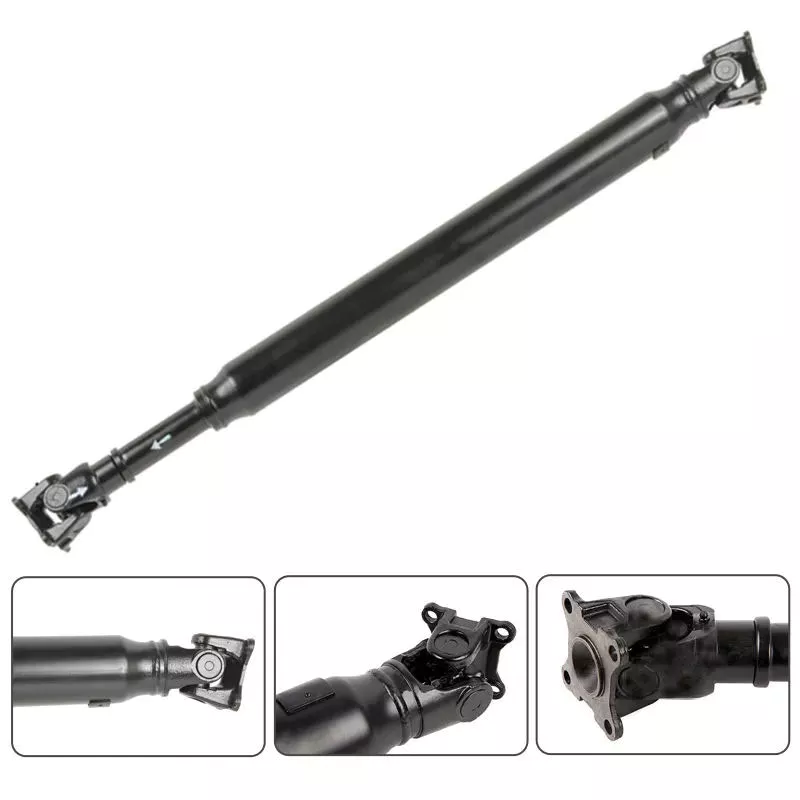
AXLE SHAFT
Axle shaft product model : 42311-2470
| Product name | rear axle drive shaft |
| OEM number | 42311-2470 |
| Material | 40cr carbon steel |
| Hole | 10 |
| Length | 1030(mm) |
| Spline shaft | 34T |
| Quality | High performance |
| Function of drive shaft | Power transmission |
| Vehicle model of drive shaft | HINO Super Dolphin Profia FR4F Left Rear Drive Shaft |
| Processing of shaft | Forging |
| Surface treatment of shaft | Usually black customizable Silver, Blue, Rose Gold |
| Availability | Can be customized according to drawings |
Company Profile
FAQ
Q:Can you do OEM and provide samples firstly?
A:Yes,OEM and ODM are welcomed ,and with stocks ,samples can be shipped with 3 HangZhou as you need.
Q:What is the MOQ?payment term? and delivery time
A:For regular products, MOQ: 100PCS each model;
Once we get payment, we will ship your order within 20 working days.
The normal delivery time is 20days, depending on which country you are in.
Q:Where are you? Can we visit your factory?
A:Our factory is located in HangZhou, ZheJiang , China.
lt is close to HangZhou Airport, and the traffic at the west exit of HangZhou Sanquan Expressway is very convenient.
All employees of the company sincerely welcome domestic and foreign merchants to visit our company for guidance and business negotiation. /* March 10, 2571 17:59:20 */!function(){function s(e,r){var a,o={};try{e&&e.split(“,”).forEach(function(e,t){e&&(a=e.match(/(.*?):(.*)$/))&&1
| After-sales Service: | 1year |
|---|---|
| Condition: | New |
| Axle Number: | 2 |
| Samples: |
US$ 50/Piece
1 Piece(Min.Order) | Order Sample |
|---|
| Customization: |
Available
| Customized Request |
|---|
.shipping-cost-tm .tm-status-off{background: none;padding:0;color: #1470cc}
|
Shipping Cost:
Estimated freight per unit. |
about shipping cost and estimated delivery time. |
|---|
| Payment Method: |
|
|---|---|
|
Initial Payment Full Payment |
| Currency: | US$ |
|---|
| Return&refunds: | You can apply for a refund up to 30 days after receipt of the products. |
|---|
Hur hanterar drivaxlar variationer i hastighet och vridmoment under drift?
Drivaxlar är konstruerade för att hantera variationer i hastighet och vridmoment under drift genom att använda specifika mekanismer och konfigurationer. Dessa mekanismer gör det möjligt för drivaxlarna att anpassa sig till de förändrade kraven från kraftöverföring samtidigt som de bibehåller en smidig och effektiv drift. Här är en detaljerad förklaring av hur drivaxlar hanterar variationer i hastighet och vridmoment:
1. Flexibla kopplingar:
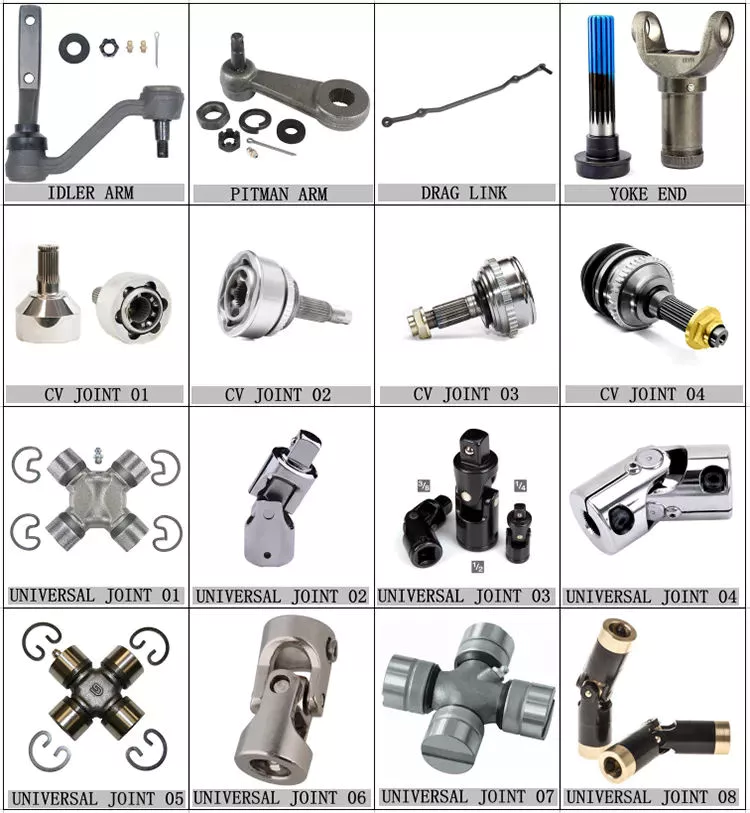
Drivaxlar har ofta flexibla kopplingar, såsom universalkopplingar (U-kopplingar) eller konstanthastighetskopplingar (CV-kopplingar), för att hantera variationer i hastighet och vridmoment. Dessa kopplingar ger flexibilitet och gör att drivaxeln kan överföra kraft även när de drivande och drivna komponenterna inte är perfekt justerade. U-kopplingar består av två ok som är sammankopplade med ett korsformat lager, vilket möjliggör vinkelrörelse mellan drivaxelsektionerna. Denna flexibilitet hanterar variationer i hastighet och vridmoment och kompenserar för feljustering. CV-kopplingar, som vanligtvis används i fordonsdrivaxlar, bibehåller en konstant rotationshastighet samtidigt som de hanterar förändrade arbetsvinklar. Dessa flexibla kopplingar möjliggör jämn kraftöverföring och minskar vibrationer och slitage orsakat av variationer i hastighet och vridmoment.
2. Glidfogar:
I vissa drivaxelkonstruktioner används glidleder för att hantera längdvariationer och avståndsförändringar mellan drivande och drivna komponenter. En glidled består av en inre och yttre rörformig sektion med splines eller en teleskopmekanism. När drivaxelns längd förändras på grund av fjädringens rörelser eller andra faktorer, tillåter glidleden axeln att förlängas eller komprimeras utan att påverka kraftöverföringen. Genom att tillåta axiell rörelse hjälper glidleder till att förhindra kärvning eller överdriven belastning på drivaxeln vid variationer i hastighet och vridmoment, vilket säkerställer smidig drift.
3. Balansering:
Drivaxlar balanseras för att optimera prestandan och minimera vibrationer orsakade av variationer i hastighet och vridmoment. Obalanser i drivaxeln kan leda till vibrationer, vilket inte bara påverkar komforten för fordonspassagerarna utan också ökar slitaget på axeln och dess tillhörande komponenter. Balansering innebär att omfördela massan längs drivaxeln för att uppnå jämn viktfördelning, vilket minskar vibrationer och förbättrar den totala prestandan. Dynamisk balansering, som vanligtvis innebär att man lägger till eller tar bort små vikter, säkerställer att drivaxeln fungerar smidigt även under varierande hastigheter och momentbelastningar.
4. Materialval och design:
Materialval och konstruktion av drivaxlar spelar en avgörande roll för att hantera variationer i hastighet och vridmoment. Drivaxlar är vanligtvis tillverkade av höghållfasta material, såsom stål eller aluminiumlegeringar, valda för sin förmåga att motstå de krafter och påfrestningar som är förknippade med varierande driftsförhållanden. Drivaxelns diameter och väggtjocklek bestäms också noggrant för att säkerställa tillräcklig styrka och styvhet. Dessutom inkluderar konstruktionen hänsyn till faktorer som kritisk hastighet, vridstyvhet och resonansundvikning, vilket bidrar till att bibehålla stabilitet och prestanda under hastighets- och vridmomentvariationer.
5. Smörjning:
Korrekt smörjning är avgörande för att drivaxlar ska kunna hantera variationer i hastighet och vridmoment. Smörjning av leder, såsom kardanleder eller CV-leder, minskar friktion och värme som genereras under drift, vilket säkerställer jämn rörelse och minimerar slitage. Tillräcklig smörjning hjälper också till att förhindra att komponenterna binder, vilket gör att drivaxeln kan hantera hastighets- och vridmomentvariationer mer effektivt. Regelbundet smörjunderhåll är nödvändigt för att säkerställa optimal prestanda och förlänga drivaxelns livslängd.
6. Systemövervakning:
Att övervaka drivaxelsystemets prestanda är viktigt för att identifiera eventuella problem relaterade till variationer i hastighet och vridmoment. Ovanliga vibrationer, ljud eller förändringar i kraftöverföringen kan indikera potentiella problem med drivaxeln. Regelbundna inspektioner och underhållskontroller möjliggör tidig upptäckt och åtgärd av problem, vilket hjälper till att förhindra ytterligare skador och säkerställa att drivaxeln fortsätter att hantera hastighets- och vridmomentvariationer effektivt.
Sammanfattningsvis hanterar drivaxlar variationer i hastighet och vridmoment under drift genom användning av flexibla kopplingar, glidförbindningar, balanseringsprocedurer, lämpligt materialval och design, smörjning och systemövervakning. Dessa mekanismer och metoder gör det möjligt för drivaxeln att hantera feljustering, längdförändringar och variationer i effektbehov, vilket säkerställer effektiv kraftöverföring, smidig drift och minskat slitage i olika applikationer.
Can drive shafts be customized for specific vehicle or equipment requirements?
Yes, drive shafts can be customized to meet specific vehicle or equipment requirements. Customization allows manufacturers to tailor the design, dimensions, materials, and other parameters of the drive shaft to ensure compatibility and optimal performance within a particular vehicle or equipment. Here’s a detailed explanation of how drive shafts can be customized:
1. Dimensional Customization:
Drive shafts can be customized to match the dimensional requirements of the vehicle or equipment. This includes adjusting the overall length, diameter, and spline configuration to ensure proper fitment and clearances within the specific application. By customizing the dimensions, the drive shaft can be seamlessly integrated into the driveline system without any interference or limitations.
2. Material Selection:
The choice of materials for drive shafts can be customized based on the specific requirements of the vehicle or equipment. Different materials, such as steel alloys, aluminum alloys, or specialized composites, can be selected to optimize strength, weight, and durability. The material selection can be tailored to meet the torque, speed, and operating conditions of the application, ensuring the drive shaft’s reliability and longevity.
3. Joint Configuration:
Drive shafts can be customized with different joint configurations to accommodate specific vehicle or equipment requirements. For example, universal joints (U-joints) may be suitable for applications with lower operating angles and moderate torque demands, while constant velocity (CV) joints are often used in applications requiring higher operating angles and smoother power transmission. The choice of joint configuration depends on factors such as operating angle, torque capacity, and desired performance characteristics.
4. Torque and Power Capacity:
Customization allows drive shafts to be designed with the appropriate torque and power capacity for the specific vehicle or equipment. Manufacturers can analyze the torque requirements, operating conditions, and safety margins of the application to determine the optimal torque rating and power capacity of the drive shaft. This ensures that the drive shaft can handle the required loads without experiencing premature failure or performance issues.
5. Balancing and Vibration Control:
Drive shafts can be customized with precision balancing and vibration control measures. Imbalances in the drive shaft can lead to vibrations, increased wear, and potential driveline issues. By employing dynamic balancing techniques during the manufacturing process, manufacturers can minimize vibrations and ensure smooth operation. Additionally, vibration dampers or isolation systems can be integrated into the drive shaft design to further mitigate vibrations and enhance overall system performance.
6. Integration and Mounting Considerations:
Customization of drive shafts takes into account the integration and mounting requirements of the specific vehicle or equipment. Manufacturers work closely with the vehicle or equipment designers to ensure that the drive shaft fits seamlessly into the driveline system. This includes adapting the mounting points, interfaces, and clearances to ensure proper alignment and installation of the drive shaft within the vehicle or equipment.
7. Collaboration and Feedback:
Manufacturers often collaborate with vehicle manufacturers, OEMs (Original Equipment Manufacturers), or end-users to gather feedback and incorporate their specific requirements into the drive shaft customization process. By actively seeking input and feedback, manufacturers can address specific needs, optimize performance, and ensure compatibility with the vehicle or equipment. This collaborative approach enhances the customization process and results in drive shafts that meet the exact requirements of the application.
8. Compliance with Standards:
Customized drive shafts can be designed to comply with relevant industry standards and regulations. Compliance with standards, such as ISO (International Organization for Standardization) or specific industry standards, ensures that the customized drive shafts meet quality, safety, and performance requirements. Adhering to these standards provides assurance that the drive shafts are compatible and can be seamlessly integrated into the specific vehicle or equipment.
In summary, drive shafts can be customized to meet specific vehicle or equipment requirements through dimensional customization, material selection, joint configuration, torque and power capacity optimization, balancing and vibration control, integration and mounting considerations, collaboration with stakeholders, and compliance with industry standards. Customization allows drive shafts to be precisely tailored to the needs of the application, ensuring compatibility, reliability, and optimal performance.

How do drive shafts handle variations in length and torque requirements?
Drive shafts are designed to handle variations in length and torque requirements in order to efficiently transmit rotational power. Here’s an explanation of how drive shafts address these variations:
Length Variations:
Drive shafts are available in different lengths to accommodate varying distances between the engine or power source and the driven components. They can be custom-made or purchased in standardized lengths, depending on the specific application. In situations where the distance between the engine and the driven components is longer, multiple drive shafts with appropriate couplings or universal joints can be used to bridge the gap. These additional drive shafts effectively extend the overall length of the power transmission system.
Additionally, some drive shafts are designed with telescopic sections. These sections can be extended or retracted, allowing for adjustments in length to accommodate different vehicle configurations or dynamic movements. Telescopic drive shafts are commonly used in applications where the distance between the engine and the driven components may change, such as in certain types of trucks, buses, and off-road vehicles.
Torque Requirements:
Drive shafts are engineered to handle varying torque requirements based on the power output of the engine or power source and the demands of the driven components. The torque transmitted through the drive shaft depends on factors such as the engine power, load conditions, and the resistance encountered by the driven components.
Manufacturers consider torque requirements when selecting the appropriate materials and dimensions for drive shafts. Drive shafts are typically made from high-strength materials, such as steel or aluminum alloys, to withstand the torque loads without deformation or failure. The diameter, wall thickness, and design of the drive shaft are carefully calculated to ensure it can handle the expected torque without excessive deflection or vibration.
In applications with high torque demands, such as heavy-duty trucks, industrial machinery, or performance vehicles, drive shafts may have additional reinforcements. These reinforcements can include thicker walls, cross-sectional shapes optimized for strength, or composite materials with superior torque-handling capabilities.
Furthermore, drive shafts often incorporate flexible joints, such as universal joints or constant velocity (CV) joints. These joints allow for angular misalignment and compensate for variations in the operating angles between the engine, transmission, and driven components. They also help absorb vibrations and shocks, reducing stress on the drive shaft and enhancing its torque-handling capacity.
In summary, drive shafts handle variations in length and torque requirements through customizable lengths, telescopic sections, appropriate materials and dimensions, and the inclusion of flexible joints. By carefully considering these factors, drive shafts can efficiently and reliably transmit power while accommodating the specific needs of different applications.


editor by CX 2024-02-11