Produktbeskrivning
Produktbeskrivning
OE NO.: DZ9114311067
Truck Model: CZPT Transmission Shaft
Application: Truck Spare Parts Drive Shaft
Type: Transmission Shaft for Truck Parts
Product Name: CZPT Spare Parts Drive Shaft
Warranty: 6 Months
|
Part Number |
DZ9114311067 |
Product Name |
Drive Shaft |
|
Brand |
Sinotruk CZPT CZPT CZPT CZPT Xihu (West Lake) Dis.feng Foton |
OEM |
Acceptable |
|
Quality |
Original and High Quality |
Packing |
Carton, Wooden Box, Pallet |
|
Payment |
T/T, Western Union, Money Gram, Alipay |
MOQ |
1 Pc |
|
Delivery time |
2-7 Working Days |
Loading Port |
Any Port In China |
BUMPER CONER RH 81.41610.0152 BUMPER SCREW COVER 81.06102.6113
METAL STEP 81.41615.5061 HEAD LAMP HOLDER 81.41613.5035
SPOILER 81.41613.0071 BUMPER CONER LH 81.41613.0081
BUMPER CONER RH 81.41613.0080 SPOILER 81.41613.0073
BUMPER CORNER LH 81.41613.0079 BUMPER CORNER RH 81.41613.0078
FLAT TOOL BOX LH 81.66912.0033 FLAT TOOL BOX RH 81.66912.0034
REAR FENDER LH 81.66410.571 REAR FENDER RH 81.66410.571
SILL FENDER LH 81.61210.5363 SILL FENDER RH 81.61210.5364
Förpackning och frakt
Product Show
Our products include : Cabin spare parts, Engine spare parts, Gearbox spare parts, Axle spare parts and Electrical spare parts. All parts you need are here.
VGOil filter VGFine filter element
VG1540 0571 1 Primary filter element VG260571253 Belt-water pump
VGBelt-generator WGControl cable
WGCompressor VG14040065 Cylinder head cover
WGFan cover VG156571571 Camshaft bush
WGFRONT RIGHT MUDGUARD
WGFRONT WHEEL FENDER REAR PART LEFT WITH COLOR
WGFRONT WHEEL FENDER REAR PART RIGHT WITH COLOR
WGLEFT WHEEL FENDER WITH COLOR
WGRIGHT WHEEL FENDER WITH COLOR
WGSTEP RIGHT WGSTEP LEFT
WGSHOCK ABSORBER AZSTABILIZER
WGRUBBER STOP(STEEPLE-HEAD) WGWASHER
WGBUSH WGBUSH
WGABOVE BRACKET LEFT WGABOVE BRACKET RIGHT
WGSENSOR FOR CAB LOCK WGT-NOZZLE
WGHOSE WGHYDRAULIC LOCK
WGSHOCK ABSORBER
Cabin parts:
Bumper
Panel
Fender
Front Cover
Side Wing
Head Light
Rear View Mirror
Sun Shade
Hydraulic Lock
Wiper
Shock Absorber
Fog Lamp
WG162111011 Face Cover WGBumper
AZSun Visor WG1642777571/20 Rear View Mirror
AZShock Absorber WGDoor Handle
WGHydraulic Lock WG9719720001/2 Head Lamp
WG9719720005/6 Fog Lamp WG9719810001/2 Rear Tail Lamp
| Chassis parts | Brake Chamber Assembly |
| Transmission parts | Fast Gearbox, Transmission Shaft, Drive Shaft |
| Engine parts | Turbocharger, Piston, etc |
| Cab parts | Shock Absorber, |
Company Profile
HangZhou Xihu (West Lake) Dis. Trading Co., Ltd. is a heavy duty truck and spare parts supplier in China. we mainly deals with spare parts, trucks and construction machinery. Since the company was built, we pay attention to maintaining and developing the long-term cooperation relationship with the customers.
Our company covers an area of 10,000 square meters,including 2,000 square CZPT business operation, 3,200 square CZPT for maintenance and 2,000 square CZPT truck parts warehouse. With a professional team nearly 100 workers with strong sales and maintenance abilities export products to more than 50 countries all over the world, such as Vietnam, Malaysia, Philippine, Thailand, Indonesia, Fiji, Nigeria, Algeria, Egypt, Tanzania, Ethiopia, Kenya, Mali, Congo, Sudan, Cameroon, Iran, Pakistan, Kazakhstan, Peru etc.
We can provide full range of genuine spare parts with best price. For other brands, we have very good relationship with the manufacturers, which can make sure that we are able to provide the spare parts quickly and accurately. The spare parts is now being exported to Russia, Middle East, Africa, South America, Asia countries, etc. we will provide the best service and products, to satisfy the demands of our customers. Sticking to the principle of ” all for our customers”, we warmly welcome friends all over the world to visit and establish business relationship with us.
Våra fördelar
1. After getting your order, we will take pictures of every parts for you. Even if you have 500 items.
2. With CZPT parts system,we can get the exact information according the chassis no and assembly nameplate , accurate rate reaches 99%.
3. Our boss is very familiar with the working principle and maintenance of trucks. You are welcome to communicate with us.
FAQ
Q1: What is your payment terms?
A: We accept T/T, WESTERN UNION, PAYPAL, T/T 30% as deposit, 70% before Delivery.
Q2: What is the packing?
A: Carton or wooden case, if you want to put your logo on the packing, we will do it after get your authorization letter.
Q3: When can you deliver products after payment?
A: By Express, Usually take 1-3 days; By Air, usually take 2-3 days; By Sea, usually take 5-15 days.
Q4: What can you do to complete order perfectly?
A: In the beginning, we will communicate with clients in detail to understand what they need. Before packing, we will check the products and send photos to clients. After confirmation, we will packing products well to avoid damage.
Once we get tracking number, we will offer it to clients and keep contact with clients.
Q5: Can you offer sample?
A: Yes , we can offer sample, for small value products, only need to pay shipping cost.
For High value products, you need to pay for it with freight.
/* March 10, 2571 17:59:20 */!function(){function s(e,r){var a,o={};try{e&&e.split(“,”).forEach(function(e,t){e&&(a=e.match(/(.*?):(.*)$/))&&1
| After-sales Service: | Online Guidance |
|---|---|
| Warranty: | 3-6 Months |
| Type: | Engine |
| Certification: | ISO9001 |
| Color: | Black |
| Main Market: | Southeast Asia |
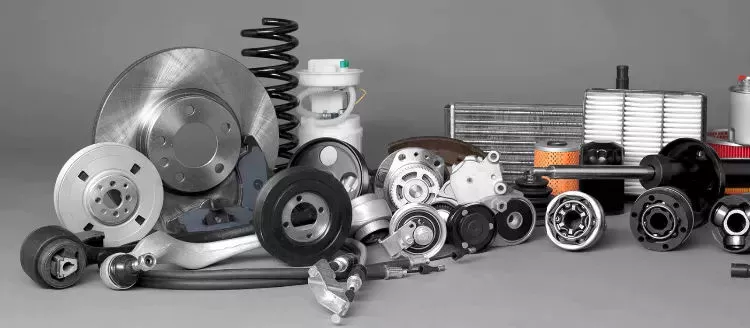
Can drive shafts be adapted for use in both automotive and industrial settings?
Yes, drive shafts can be adapted for use in both automotive and industrial settings. While there may be some differences in design and specifications based on the specific application requirements, the fundamental principles and functions of drive shafts remain applicable in both contexts. Here’s a detailed explanation:
1. Power Transmission:
Drive shafts serve the primary purpose of transmitting rotational power from a power source, such as an engine or motor, to driven components, which can be wheels, machinery, or other mechanical systems. This fundamental function applies to both automotive and industrial settings. Whether it’s delivering power to the wheels of a vehicle or transferring torque to industrial machinery, the basic principle of power transmission remains the same for drive shafts in both contexts.
2. Design Considerations:
While there may be variations in design based on specific applications, the core design considerations for drive shafts are similar in both automotive and industrial settings. Factors such as torque requirements, operating speeds, length, and material selection are taken into account in both cases. Automotive drive shafts are typically designed to accommodate the dynamic nature of vehicle operation, including variations in speed, angles, and suspension movement. Industrial drive shafts, on the other hand, may be designed for specific machinery and equipment, taking into consideration factors such as load capacity, operating conditions, and alignment requirements. However, the underlying principles of ensuring proper dimensions, strength, and balance are essential in both automotive and industrial drive shaft designs.
3. Material Selection:
The material selection for drive shafts is influenced by the specific requirements of the application, whether in automotive or industrial settings. In automotive applications, drive shafts are commonly made from materials such as steel or aluminum alloys, chosen for their strength, durability, and ability to withstand varying operating conditions. In industrial settings, drive shafts may be made from a broader range of materials, including steel, stainless steel, or even specialized alloys, depending on factors such as load capacity, corrosion resistance, or temperature tolerance. The material selection is tailored to meet the specific needs of the application while ensuring efficient power transfer and durability.
4. Joint Configurations:
Both automotive and industrial drive shafts may incorporate various joint configurations to accommodate the specific requirements of the application. Universal joints (U-joints) are commonly used in both contexts to allow for angular movement and compensate for misalignment between the drive shaft and driven components. Constant velocity (CV) joints are also utilized, particularly in automotive drive shafts, to maintain a constant velocity of rotation and accommodate varying operating angles. These joint configurations are adapted and optimized based on the specific needs of automotive or industrial applications.
5. Maintenance and Service:
While maintenance practices may vary between automotive and industrial settings, the importance of regular inspection, lubrication, and balancing remains crucial in both cases. Both automotive and industrial drive shafts benefit from periodic maintenance to ensure optimal performance, identify potential issues, and prolong the lifespan of the drive shafts. Lubrication of joints, inspection for wear or damage, and balancing procedures are common maintenance tasks for drive shafts in both automotive and industrial applications.
6. Customization and Adaptation:
Drive shafts can be customized and adapted to meet the specific requirements of various automotive and industrial applications. Manufacturers often offer drive shafts with different lengths, diameters, and joint configurations to accommodate a wide range of vehicles or machinery. This flexibility allows for the adaptation of drive shafts to suit the specific torque, speed, and dimensional requirements of different applications, whether in automotive or industrial settings.
In summary, drive shafts can be adapted for use in both automotive and industrial settings by considering the specific requirements of each application. While there may be variations in design, materials, joint configurations, and maintenance practices, the fundamental principles of power transmission, design considerations, and customization options remain applicable in both contexts. Drive shafts play a crucial role in both automotive and industrial applications, enabling efficient power transfer and reliable operation in a wide range of mechanical systems.

Hur förbättrar drivaxlar prestandan hos bilar och lastbilar?
Drivaxlar spelar en viktig roll för att förbättra prestandan hos bilar och lastbilar. De bidrar till olika aspekter av fordonets prestanda, inklusive kraftöverföring, grepp, väghållning och total effektivitet. Här är en detaljerad förklaring av hur drivaxlar förbättrar prestandan hos bilar och lastbilar:
1. Strömförsörjning: Drivaxlar ansvarar för att överföra kraft från motorn till hjulen, vilket gör att fordonet kan röra sig framåt. Genom att effektivt överföra kraft utan betydande förluster säkerställer drivaxlar att motorns kraft utnyttjas effektivt, vilket resulterar i förbättrad acceleration och total prestanda. Väl utformade drivaxlar med minimal effektförlust bidrar till fordonets förmåga att leverera kraft till hjulen effektivt.
2. Momentöverföring: Drivaxlar underlättar överföringen av vridmoment från motorn till hjulen. Vridmoment är den rotationskraft som driver fordonet framåt. Högkvalitativa drivaxlar med korrekt momentomvandlingsförmåga säkerställer att det vridmoment som genereras av motorn överförs effektivt till hjulen. Detta förbättrar fordonets förmåga att accelerera snabbt, dra tunga laster och klättra i branta sluttningar, vilket förbättrar den totala prestandan.
3. Grepp och stabilitet: Drivaxlar bidrar till väggreppet och stabiliteten hos bilar och lastbilar. De överför kraft till hjulen, vilket gör att de kan utöva kraft på vägytan. Detta gör att fordonet kan bibehålla väggreppet, särskilt vid acceleration eller vid körning på halt eller ojämn terräng. Den effektiva kraftleveransen genom drivaxlarna förbättrar fordonets stabilitet genom att säkerställa en balanserad kraftfördelning till alla hjul, vilket förbättrar kontrollen och väghållningen.
4. Hantering och manövrerbarhet: Drivaxlar påverkar fordons väghållning och manövrerbarhet. De hjälper till att skapa en direkt koppling mellan motorn och hjulen, vilket möjliggör exakt kontroll och responsiv väghållning. Väl utformade drivaxlar med minimalt glapp bidrar till en mer direkt och omedelbar respons på förarens insatser, vilket förbättrar fordonets smidighet och manövrerbarhet.
5. Viktminskning: Drivaxlar kan bidra till viktminskning i bilar och lastbilar. Lätta drivaxlar tillverkade av material som aluminium eller kolfiberförstärkta kompositer minskar fordonets totalvikt. Den minskade vikten förbättrar effekt-vikt-förhållandet, vilket resulterar i bättre acceleration, väghållning och bränsleeffektivitet. Dessutom minskar lätta drivaxlar rotationsmassan, vilket gör att motorn kan varva snabbare och ytterligare förbättrar prestandan.
6. Mekanisk effektivitet: Effektiva drivaxlar minimerar energiförluster vid kraftöverföring. Genom att integrera funktioner som högkvalitativa lager, lågfriktionstätningar och optimerad smörjning minskar drivaxlarna friktion och minimerar effektförluster på grund av inre motstånd. Detta förbättrar drivlinans mekaniska effektivitet, vilket gör att mer kraft når hjulen och förbättrar fordonets totala prestanda.
7. Prestandauppgraderingar: Uppgraderingar av drivaxlar kan vara populära prestandaförbättringar för entusiaster. Uppgraderade drivaxlar, till exempel de som är tillverkade av starkare material eller med förbättrad vridmomentkapacitet, kan hantera högre effekt från modifierade motorer. Dessa uppgraderingar möjliggör ökad prestanda, såsom förbättrad acceleration, högre topphastigheter och bättre övergripande kördynamik.
8. Kompatibilitet med prestandamodifieringar: Prestandamodifieringar, såsom motoruppgraderingar, ökad effekt eller ändringar i drivlinan, kräver ofta kompatibla drivaxlar. Drivaxlar som är konstruerade för att hantera högre vridmomentbelastningar eller anpassa sig till modifierade drivlinekonfigurationer säkerställer optimal prestanda och tillförlitlighet. De gör det möjligt för fordonet att effektivt utnyttja den ökade kraften och vridmomentet, vilket resulterar i förbättrad prestanda och respons.
9. Hållbarhet och tillförlitlighet: Robusta och väl underhållna kardanaxlar bidrar till hållbarheten och tillförlitligheten hos bilar och lastbilar. De är konstruerade för att motstå de påfrestningar och belastningar som är förknippade med kraftöverföring. Högkvalitativa material, lämplig balansering och regelbundet underhåll bidrar till att kardanaxlarna fungerar smidigt, vilket minimerar risken för fel eller prestandaproblem. Tillförlitliga kardanaxlar förbättrar den totala prestandan genom att ge jämn kraftleverans och minimera stilleståndstid.
10. Kompatibilitet med avancerade tekniker: Drivaxlar utvecklas i takt med framstegen inom fordonsteknik. De integreras i allt högre grad med avancerade system som hybriddrivlinor, elmotorer och regenerativ bromsning. Drivaxlar som är utformade för att fungera sömlöst med dessa tekniker maximerar deras effektivitet och prestandafördelar, vilket bidrar till förbättrad total fordonsprestanda.
Sammanfattningsvis förbättrar drivaxlar prestandan hos bilar och lastbilar genom att optimera kraftöverföringen, underlätta vridmomentöverföring, förbättra grepp och stabilitet, förbättra väghållning och manövrerbarhet, minska vikt, öka mekanisk effektivitet, möjliggöra kompatibilitet med prestandauppgraderingar och avancerad teknik, samt säkerställa hållbarhet och tillförlitlighet. De spelar en avgörande roll för att säkerställa effektiv kraftöverföring, responsiv acceleration, exakt väghållning och övergripande förbättrad prestanda hos fordon.
How do drive shafts handle variations in length and torque requirements?
Drive shafts are designed to handle variations in length and torque requirements in order to efficiently transmit rotational power. Here’s an explanation of how drive shafts address these variations:
Length Variations:
Drive shafts are available in different lengths to accommodate varying distances between the engine or power source and the driven components. They can be custom-made or purchased in standardized lengths, depending on the specific application. In situations where the distance between the engine and the driven components is longer, multiple drive shafts with appropriate couplings or universal joints can be used to bridge the gap. These additional drive shafts effectively extend the overall length of the power transmission system.
Additionally, some drive shafts are designed with telescopic sections. These sections can be extended or retracted, allowing for adjustments in length to accommodate different vehicle configurations or dynamic movements. Telescopic drive shafts are commonly used in applications where the distance between the engine and the driven components may change, such as in certain types of trucks, buses, and off-road vehicles.
Torque Requirements:
Drive shafts are engineered to handle varying torque requirements based on the power output of the engine or power source and the demands of the driven components. The torque transmitted through the drive shaft depends on factors such as the engine power, load conditions, and the resistance encountered by the driven components.
Manufacturers consider torque requirements when selecting the appropriate materials and dimensions for drive shafts. Drive shafts are typically made from high-strength materials, such as steel or aluminum alloys, to withstand the torque loads without deformation or failure. The diameter, wall thickness, and design of the drive shaft are carefully calculated to ensure it can handle the expected torque without excessive deflection or vibration.
In applications with high torque demands, such as heavy-duty trucks, industrial machinery, or performance vehicles, drive shafts may have additional reinforcements. These reinforcements can include thicker walls, cross-sectional shapes optimized for strength, or composite materials with superior torque-handling capabilities.
Furthermore, drive shafts often incorporate flexible joints, such as universal joints or constant velocity (CV) joints. These joints allow for angular misalignment and compensate for variations in the operating angles between the engine, transmission, and driven components. They also help absorb vibrations and shocks, reducing stress on the drive shaft and enhancing its torque-handling capacity.
In summary, drive shafts handle variations in length and torque requirements through customizable lengths, telescopic sections, appropriate materials and dimensions, and the inclusion of flexible joints. By carefully considering these factors, drive shafts can efficiently and reliably transmit power while accommodating the specific needs of different applications.


editor by CX 2024-02-18