Produktbeskrivning
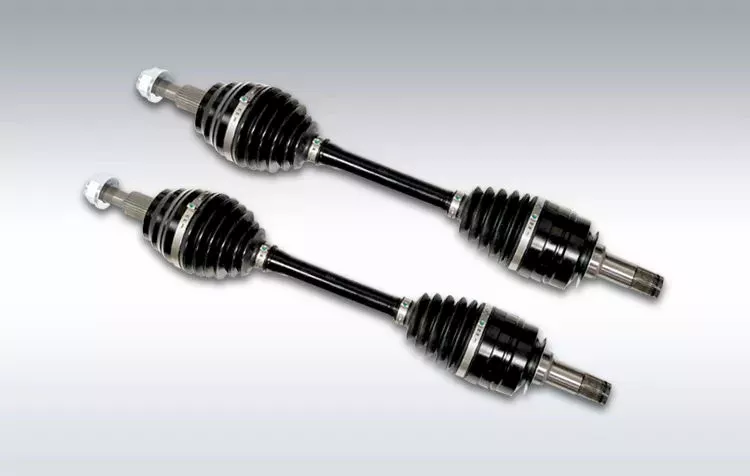
CZPT OEM PTO shaft drive shaft
Our Services
Why choosing us?
1.We are manufacturer, we have Well and High Quality Control
2.Prompt Delivery
3.Customer’s Design and Logo are Welcome
4.Competitive Prices directly from factory
5.Small Order Acceptable
6.OEM / ODM Accepted
Pre-sales service After-sales Service
*Inquiry and consulting support * training how to instal the machine
* View factory * training how to use the machine
company information :
SHUNYU company mainly supply Farm tractors, Combine harvesters and related Implements, as well as their spare parts.
Also we offer OEM service for Different brands tractors PTO Driving shafts, Gears, Rotary blades.
If you could not find the products on our website, Welcome to send us drawing or sample, we could custom as your needs.
/* March 10, 2571 17:59:20 */!function(){function s(e,r){var a,o={};try{e&&e.split(“,”).forEach(function(e,t){e&&(a=e.match(/(.*?):(.*)$/))&&1
| Type: | Shaft |
|---|---|
| Usage: | Agricultural Products Processing, Harvester |
| Power Source: | Diesel |
| After-sales Service: | Online Support |
| Warranty: | 12 Months |
| Transport Package: | Standard Export Packing or as Your Needed |
| Anpassning: |
Tillgänglig
| Anpassad förfrågan |
|---|
Are there any limitations or disadvantages associated with PTO drive shaft systems?
While PTO (Power Take-Off) drive shaft systems offer numerous advantages, there are also some limitations and disadvantages associated with their use. It’s important to consider these factors when deciding whether to implement a PTO drive shaft system. The limitations and disadvantages include:
1. Safety Risks:
PTO drive shaft systems can pose safety risks if not used and maintained properly. The rotating drive shaft, exposed splines, and universal joints can present hazards to operators and bystanders if they come into contact with them while in operation. Entanglement or entrapment of clothing, hair, or body parts in the rotating components can result in severe injuries. It is crucial to follow safety guidelines, use appropriate shielding, and implement safety devices to mitigate these risks.
2. Maintenance and Lubrication:
PTO drive shaft systems require regular maintenance and lubrication to ensure optimal performance and longevity. The joints, splines, and bearings need to be inspected, cleaned, and lubricated as recommended by the manufacturer. Failure to perform routine maintenance can lead to premature wear, increased friction, and eventual component failure, resulting in unexpected downtime and costly repairs.
3. Misalignment and Vibrations:
PTO drive shaft systems can experience misalignment and vibrations, especially when the driven equipment is not perfectly aligned with the power source. Misalignment places additional stress on the drive shaft and its components, leading to increased wear and reduced efficiency. Vibrations generated during operation can also contribute to fatigue and accelerated wear of the drive shaft and connected equipment.
4. Limited Operating Angles:
PTO drive shaft systems typically have limited operating angles due to the design constraints of universal joints. Exceeding the recommended operating angles can cause binding, increased wear, and reduced power transmission efficiency. This limitation may restrict the range of movement or flexibility when connecting PTO-driven equipment, requiring careful planning and alignment during installation.
5. Noise and Vibration:
PTO drive shaft systems can generate noise and vibrations during operation. The rotating components, especially at high speeds, can create audible noise and vibrations that may be transmitted to the operator, the equipment, and the surrounding environment. Excessive noise and vibrations can negatively impact the operator’s comfort, equipment performance, and may require additional measures to mitigate their effects.
6. Limited Power Transfer Capacity:
PTO drive shaft systems have limitations in terms of power transfer capacity. The torque and power that can be transmitted through the drive shaft depend on its design, material strength, and the selected components. In applications requiring high torque or power, alternative power transmission methods such as hydraulic systems or direct mechanical drives may be more suitable and capable of handling the required loads.
7. Compatibility Challenges:
Ensuring compatibility between PTO drive shafts and different equipment can sometimes be challenging. Equipment may have unique connection requirements, such as non-standard splines or flanges, which may require custom adapters or modifications. Achieving compatibility with older or specialized equipment can require additional effort and may not always be straightforward.
8. Cost:
Implementing a PTO drive shaft system can involve significant upfront costs, including the purchase of the drive shaft, compatible equipment, and any necessary adapters or couplings. Additionally, ongoing maintenance, lubrication, and potential repairs can contribute to the overall cost of ownership. It is important to consider the cost-benefit ratio and the specific needs of the application before investing in a PTO drive shaft system.
Despite these limitations and disadvantages, PTO drive shaft systems continue to be widely used due to their versatility, ease of use, and compatibility with a wide range of equipment. By addressing safety concerns, performing regular maintenance, and considering the specific requirements of the application, many of these limitations can be mitigated, allowing for reliable and efficient operation.

How do PTO drive shafts enhance the performance of tractors and agricultural machinery?
PTO (Power Take-Off) drive shafts play a critical role in enhancing the performance of tractors and agricultural machinery. They provide a reliable and efficient power transmission mechanism, enabling various functions and improving overall productivity. Here’s how PTO drive shafts enhance the performance of tractors and agricultural machinery:
1. Versatility and Compatibility:
PTO drive shafts are designed to be versatile and compatible with a wide range of agricultural implements and machinery. They come in standardized sizes and configurations, allowing easy connection and disconnection of implements. This compatibility enables farmers and operators to quickly switch between different implements, such as plows, mowers, balers, and seeders, without the need for significant equipment changes or modifications. The versatility of PTO drive shafts enhances the flexibility and efficiency of agricultural machinery, allowing them to perform multiple tasks with ease.
2. Power Transfer:
One of the primary functions of PTO drive shafts is to transfer power from the tractor’s engine to various agricultural implements. They transmit rotational power at a consistent speed, enabling the implements to perform their intended tasks efficiently. This direct power transfer eliminates the need for separate engines or motors on each implement, which saves both time and resources. PTO drive shafts provide a reliable and efficient means of power transmission, ensuring optimal performance of agricultural machinery.
3. Increased Productivity:
By enabling the connection of different implements, PTO drive shafts significantly contribute to increased productivity. Tractors equipped with PTO drive shafts can quickly switch between tasks, such as plowing, planting, and harvesting, without the need for extensive downtime or equipment changes. This allows farmers to make the most efficient use of their machinery and complete tasks in a timely manner. The ability to easily connect and disconnect implements through PTO drive shafts enhances overall productivity in agricultural operations.
4. Time Efficiency:
PTO drive shafts play a crucial role in saving time during agricultural tasks. They eliminate the need for manual or animal-driven labor, allowing for faster and more efficient operations. With PTO drive shafts, agricultural machinery can perform tasks such as plowing, tilling, and mowing at a consistent and efficient pace. This time efficiency increases the overall productivity of the farm and enables operators to cover larger areas in less time.
5. Precise Power Control:
PTO drive shafts offer precise power control, allowing operators to adjust the rotational speed of the implements according to the requirements of the task. This control is particularly valuable in tasks such as mowing or spraying, where different vegetation or crop types may require specific power settings. With PTO drive shafts, operators can fine-tune the power output to achieve optimal results, ensuring efficient and effective performance of agricultural machinery.
6. Reduced Operator Fatigue:
The use of PTO drive shafts reduces the physical strain on operators. Instead of relying on manual force or animal power to operate implements, operators can harness the power transmitted through the PTO drive shaft. This reduces fatigue, allowing operators to work for longer durations without excessive exhaustion. Reduced operator fatigue contributes to increased productivity and overall performance in agricultural tasks.
7. Integration with Modern Technology:
PTO drive shafts can integrate with modern tractor technology and control systems. This integration allows for convenient and precise control of the PTO engagement and disengagement, rotational speed, and other parameters. Tractors equipped with PTO drive shafts can be integrated with GPS guidance systems, precision farming technologies, and data management systems, further enhancing performance and efficiency in agricultural operations.
8. Ease of Maintenance:
PTO drive shafts are typically designed for ease of maintenance. They often feature accessible lubrication points, inspection ports, and replaceable components, making it easier to keep them in good working condition. Regular maintenance ensures optimal performance, reduces the risk of unexpected breakdowns, and maximizes the efficiency of tractors and agricultural machinery.
In summary, PTO drive shafts enhance the performance of tractors and agricultural machinery by providing versatility, enabling power transfer, increasing productivity, saving time, offering precise power control, reducing operator fatigue, integrating with modern technology, and facilitating maintenance. With the capabilities offered by PTO drive shafts, farmers and operators can achieve efficient and effective operation of their machinery, ultimately leading to improved agricultural productivity and profitability.
Kan du förklara komponenterna och funktionen hos ett kraftuttagssystem med drivaxel?
Ett kraftuttagssystem (PTO, Power Take-Off) består av flera komponenter som samverkar för att överföra kraft från en primär kraftkälla, såsom en traktor eller motor, till olika redskap eller maskiner. Varje komponent spelar en specifik roll för att säkerställa effektiv och tillförlitlig överföring av rotationskraft. Här är en detaljerad förklaring av komponenterna och deras funktioner i ett kraftuttagssystem:
1. Primär strömkälla:
Den primära kraftkällan är vanligtvis en traktor eller motor utrustad med en kraftuttagsaxel. Denna axel genererar rotationskraft från motorns vevaxel eller transmission, och fungerar som utgångspunkt för kraftöverföringen.
2. Kraftuttagsaxel:
Kraftuttagsaxeln är en roterande axel som är placerad på den primära kraftkällan, speciellt utformad för att överföra kraft till externa enheter. Den är vanligtvis placerad baktill på en traktor och kan ha olika splinekonfigurationer för att passa olika typer av kraftuttagsaxlar.
3. Kraftuttagsaxel:
Kraftuttagsaxeln är systemets huvudkomponent och ansvarar för att överföra kraft från den primära kraftkällan till redskapet eller maskinen. Den består av en roterande axel med splines i båda ändar. Ena änden är ansluten till kraftuttagsaxeln, medan den andra änden är ansluten till redskapets ingående axel. Drivaxeln roterar med samma hastighet som den primära kraftkällan och levererar effektivt kraft till redskapet.
4. Splineförbindningar:
Splineskopplingarna på kraftuttagsaxeln och kraftuttagsaxeln på den primära kraftkällan ger en säker och robust anslutning. Dessa splines säkerställer korrekt uppriktning och momentöverföring mellan de två axlarna, vilket möjliggör effektiv kraftöverföring samtidigt som varierande avstånd och uppriktningar kan hanteras.
5. Säkerhetsskydd och sköldar:
Kraftuttagssystem med drivaxel innehåller ofta säkerhetsskydd och skydd för att skydda operatörer från potentiella faror i samband med roterande komponenter. Dessa skydd och skydd täcker drivaxelns roterande delar, vilket minskar risken för intrassling eller kontakt under drift.
6. Teleskopisk eller glidande mekanism:
Vissa kraftuttagsaxlar har en teleskop- eller glidmekanism. Detta gör att drivaxeln kan justeras i längd, vilket möjliggör olika avstånd mellan den primära kraftkällan och redskapet. Teleskop- eller glidmekanismen säkerställer korrekt uppriktning och förhindrar överdriven spänning eller att drivaxeln fastnar.
7. Skjuvstift eller kopplingsmekanism:
För att skydda kraftuttagsaxeln och maskineriet från överbelastning eller plötsliga stötar kan brytstift eller en kopplingsmekanism integreras. Dessa säkerhetsfunktioner är utformade för att koppla bort drivaxeln från den primära kraftkällan vid överbelastning eller plötslig stöt, vilket förhindrar skador på drivaxeln och tillhörande utrustning.
8. Underhålls- och smörjpunkter:
Kraftuttagssystem med drivaxel kräver regelbundet underhåll och smörjning för att säkerställa optimal prestanda och livslängd. Smörjpunkter finns vanligtvis för att möjliggöra applicering av fett eller olja för att minska friktion och slitage. Regelbundna inspektioner och underhåll hjälper till att identifiera eventuella problem eller slitage i komponenterna, vilket säkerställer säker och effektiv drift.
9. Redskapets ingående axel:
Redskapets ingående axel är motsvarigheten till kraftuttagsaxeln på redskaps- eller maskinsidan. Den ansluts till kraftuttagsaxeln och får kraft för att driva den specifika maskinen eller utföra olika uppgifter. Ingående axel är exakt inriktad med kraftuttagsaxeln för att säkerställa effektiv kraftöverföring.
Sammanfattningsvis består ett kraftuttagssystem av komponenter som primär kraftkälla, utgående kraftuttagsaxel, kraftuttagsdrivaxel, splinesförbindningar, säkerhetsskydd, teleskopiska eller glidande mekanismer, brytstift eller kopplingsmekanismer, underhålls- och smörjpunkter samt redskapets ingående axel. Tillsammans möjliggör dessa komponenter effektiv och tillförlitlig överföring av rotationskraft från primär kraftkälla till redskapet eller maskinen, vilket möjliggör ett brett utbud av uppgifter och tillämpningar inom jordbruks- och industrimiljöer.


editor by CX 2023-12-20