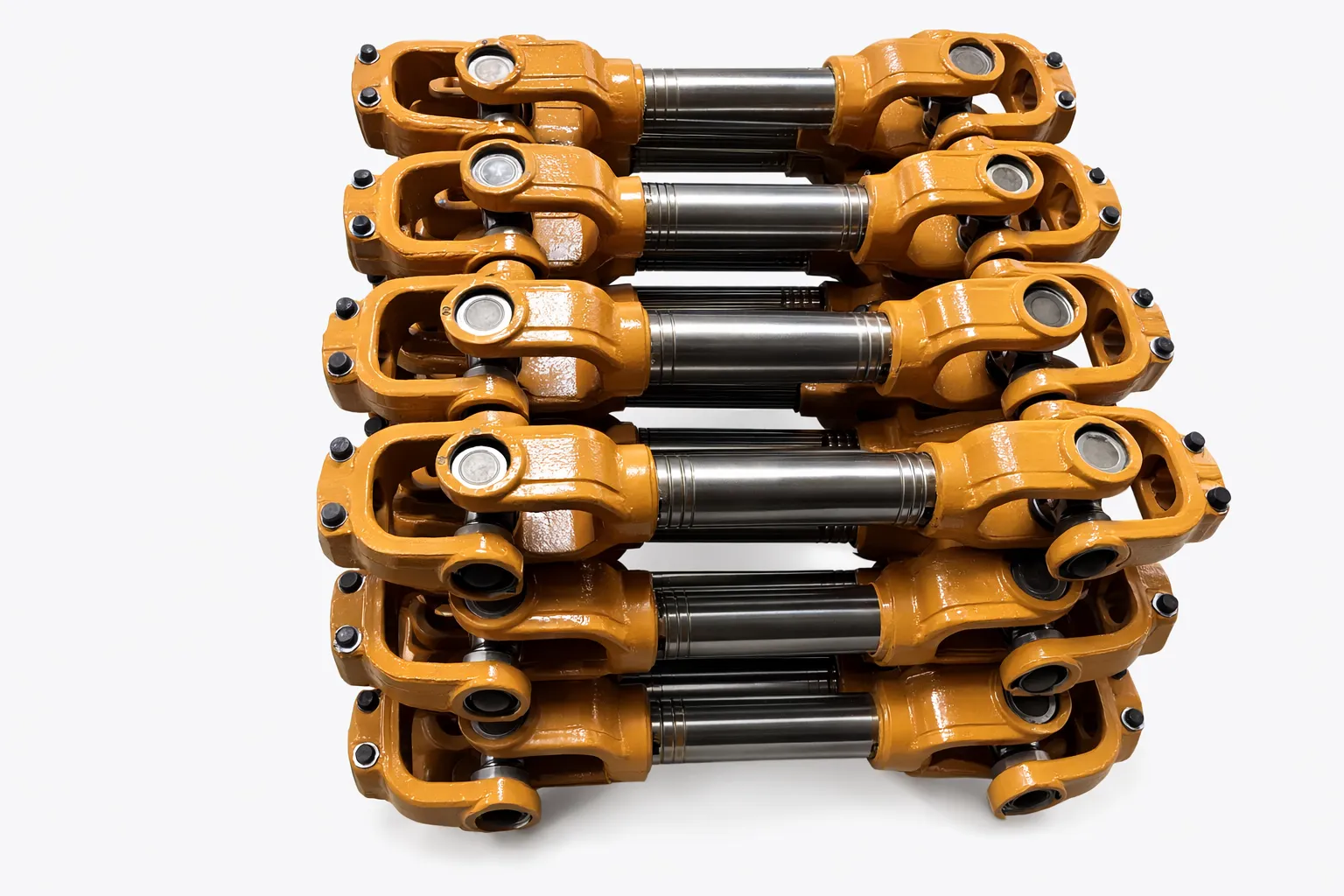
Australian Hayrake PTO Shaft: Extreme Terrain Adaptation Guide
Comprehensive Powertrain Selection and Engineering Specifications for High-Impact Forage Harvesting across New South Wales, Victoria, and Queensland Pastures.
Core Technology Quick Read
In modern forage harvesting operations, the rotary hayrake demands an exceptionally resilient pto shaft to transmit continuous, high-torque power from the tractor to the complex rotor gearbox. Specifically, when navigating uneven headlands or tight turning radii, the power transmission driveline is subjected to extreme articulation angles and severe transient shock loads.
📋 Engineer’s Field Notes: Overcoming the Creosote Challenge
“During our 15 years of diagnosing powertrain failures for heavy-duty hay contractors in Wagga Wagga (NSW) and Ballarat (VIC), we repeatedly observed that standard tractor PTO shafts fracture at the needle bearings due to the violent bouncing of hayrakes over corrugated paddocks. Based on this 15-year factory case data, EVER-POWER engineers reconfigured the 80° Wide-Angle Constant Velocity (CV) joint architecture. By upgrading the cross journal sealing to a multi-lip design and utilizing a precision-forged Series 6 yoke, our modified drivelines successfully maintain a consistent 540 RPM transfer even at maximum articulation, effectively reducing client downtime by over 60% during peak alfalfa season.”
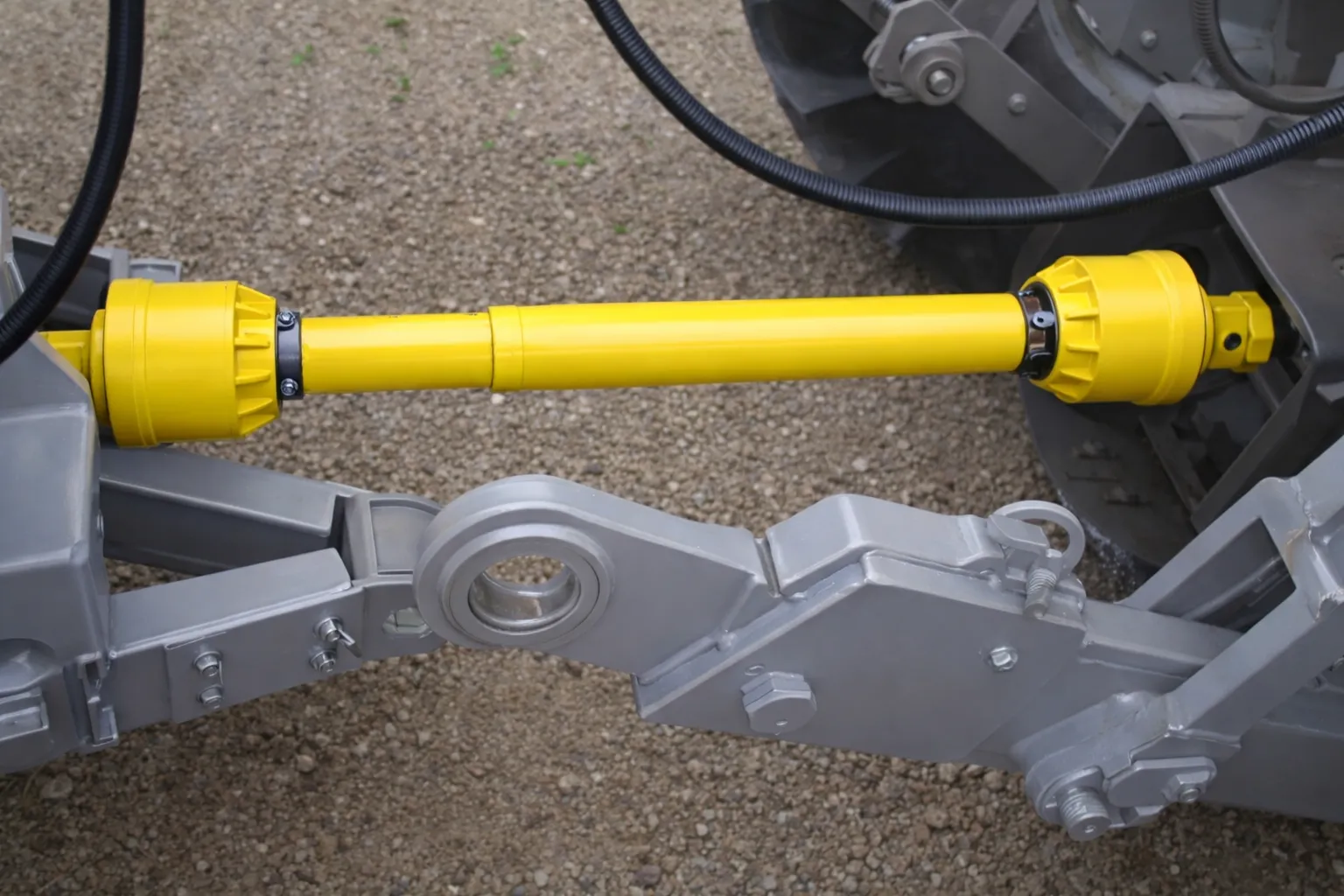
Hayrake Dedicated Driveline: 28 Core Engineering Parameters
Strict adherence to metallurgical standards, dynamic balancing, and torque calibration ensures unyielding reliability under the harshest agricultural environments. The following metrics represent our standard heavy-duty configuration engineered specifically for multi-rotor hayrakes.
| Parameter Specification | Standard Value (Series 6 CV) | Customization Range / Field Notes |
|---|---|---|
| Operating Input Speed | 540 RPM | 1000 RPM options available for high-capacity triple-rotor models. |
| Nominal Power Transmission | 64 HP (47 kW) @ 540 RPM | Scalable from 20 HP (Series 2) to 120 HP (Series 8). |
| Continuous Dynamic Torque | 830 Nm | Calibrated for heavy, wet silage raking resistance. |
| Peak Shock Load Limit | 1450 Nm | Governed by multi-plate friction slip clutch intervention. |
| Tractor End Connection (Yoke) | 1-3/8″ 6-Spline, ASAE Standard | Options: 1-3/8″ 21-Spline, 1-3/4″ 20-Spline via quick-disconnect collar. |
| Implement End Connection | 1-3/8″ 6-Spline with Slip Clutch | Interchangeable with Shear Bolt or Overrunning clutches depending on inertia. |
| Cross Journal Dimensions | 30.2mm x 92mm | Case-hardened steel (58-62 HRC) for maximum fatigue resistance. |
| U-Joint Sealing Technology | Triple-Lip Elastomer Seal | Zero-ingress design blocks microscopic red dust common in Queensland. |
| Telescopic Tube Profile | Lemon Profile (St52-3 Steel) | Triangular and Star tube profiles also manufactured; low friction coating applied. |
| Maximum Working Angle (Continuous) | 25° | Standard Cardan joint limitation to prevent velocity fluctuation vibration. |
| CV Joint Articulation (Momentary) | 80° Wide-Angle | Crucial for U-turns at headlands without disengaging the tractor PTO shaft. |
| Closed Center-to-Center Length | 1210 mm | Custom cut lengths available from 800mm up to 2500mm for trailed rakes. |
| Telescopic Stroke (Max Extension) | 400 mm | Minimum overlap rule applies (must maintain 1/3 of total tube length). |
| Safety Guard Material | UV-Stabilized HDPE | Rated for >1500 hours of direct Australian sun exposure without embrittlement. |
| Master Shield Bearing | Self-Lubricating Nylon 66 | Ensures the guard remains stationary while the internal shaft spins at high velocity. |
| Restraining Chains | Dual CE/ISO Compliant | Tensile breaking load > 400N; essential for AS 1121.4 compliance. |
| Dynamic Balance Grade | ISO 1940 G6.3 | Eliminates parasitic vibrations that prematurely destroy agricultural gearbox seals. |
| Friction Clutch Plate Material | Non-Asbestos Organic (NAO) | High thermal stability; resists glazing during prolonged slippage events. |
| Pre-set Slip Torque Limit | 900 Nm (Adjustable) | Calibrated via compression spring bolts; custom pre-sets handled prior to dispatch. |
| Overrunning (Freewheel) Capability | Integrated into Clutch Pack | Prevents high-inertia rake rotors from “driving” the tractor upon engine shutoff. |
| Yoke Manufacturing Process | Closed-Die Hot Forging | Superior grain structure alignment compared to cheap cast-iron alternatives. |
| Quick-Release Mechanism | Spring-Loaded Pull Collar | Ergonomic design enables one-handed attachment, even when wearing thick gloves. |
| Surface Anti-Corrosion Treatment | Electrostatic Powder Coating | Salt spray resistance exceeding 150 hours; highly effective in coastal farms. |
| Lubrication Interval | 50 Hours (Standard Use) | Easily accessible Zerk fittings configured on all crosses and shielding bearings. |
| Fatigue Life Cycle Testing | > 1,500,000 Cycles | Validated via rigorous test-bench alternating torsion diagnostics. |
| Operational Temperature Range | -25°C to +75°C | Grease viscosity and plasticizer stability maintained across temperature extremes. |
| Total Assembly Weight (Approx) | 22.5 kg | Varies dynamically based on custom tube lengths and heavy safety clutches. |
| Batch Traceability Matrix | Laser-Etched Serializing | Every single driveshaft features a unique identifier for lifecycle tracking and QA. |

Rotary Hayrake Driveline Mechanics & Unfair Advantages
In both trailed and three-point linkage rotary rakes, the pto drive shaft serves as the critical kinetic bridge. Power originating from the tractor’s engine is transferred through the rear PTO stub, traveling down the telescoping profile tubes, and articulating precisely through the universal joints. This rotational force is then delivered into the primary agricultural gearbox mounted on the rake’s chassis, which subsequently utilizes bevel gears to drive the cam tracks and tine arms. A failure anywhere in this chain immediately paralyzes the harvest.
Overwhelming Superiority Over Inferior Alternatives
- 1
Anti-Whip Concentricity: Cheap aftermarket tubes easily deform under high torque, creating a “whipping effect” that destroys gearbox input bearings. EVER-POWER utilizes cold-drawn seamless profiled tubing with ISO G6.3 dynamic balancing, ensuring dead-center rotation even at 1000 RPM over uneven terrain. - 2
Jam-Proof Torsional Defense: Australian forage is famously dense, frequently hiding rocks or heavy branches. Our precisely calibrated friction slip clutches instantly dissipate overload energy by slipping when the rake tines jam, fundamentally protecting both the implement transmission and the tractor’s internal PTO gearing from catastrophic fracture. - 3
All-Weather Armor Shielding: Unlike recycled plastic guards that crack and shatter after one summer in the Outback sun, our high-density polyethylene (HDPE) master shields remain highly ductile, completely enveloping the spinning components to neutralize entanglement hazards.
Global Brand Interchangeability & Australian Safety Compliance
Cross-Platform Driveline Compatibility
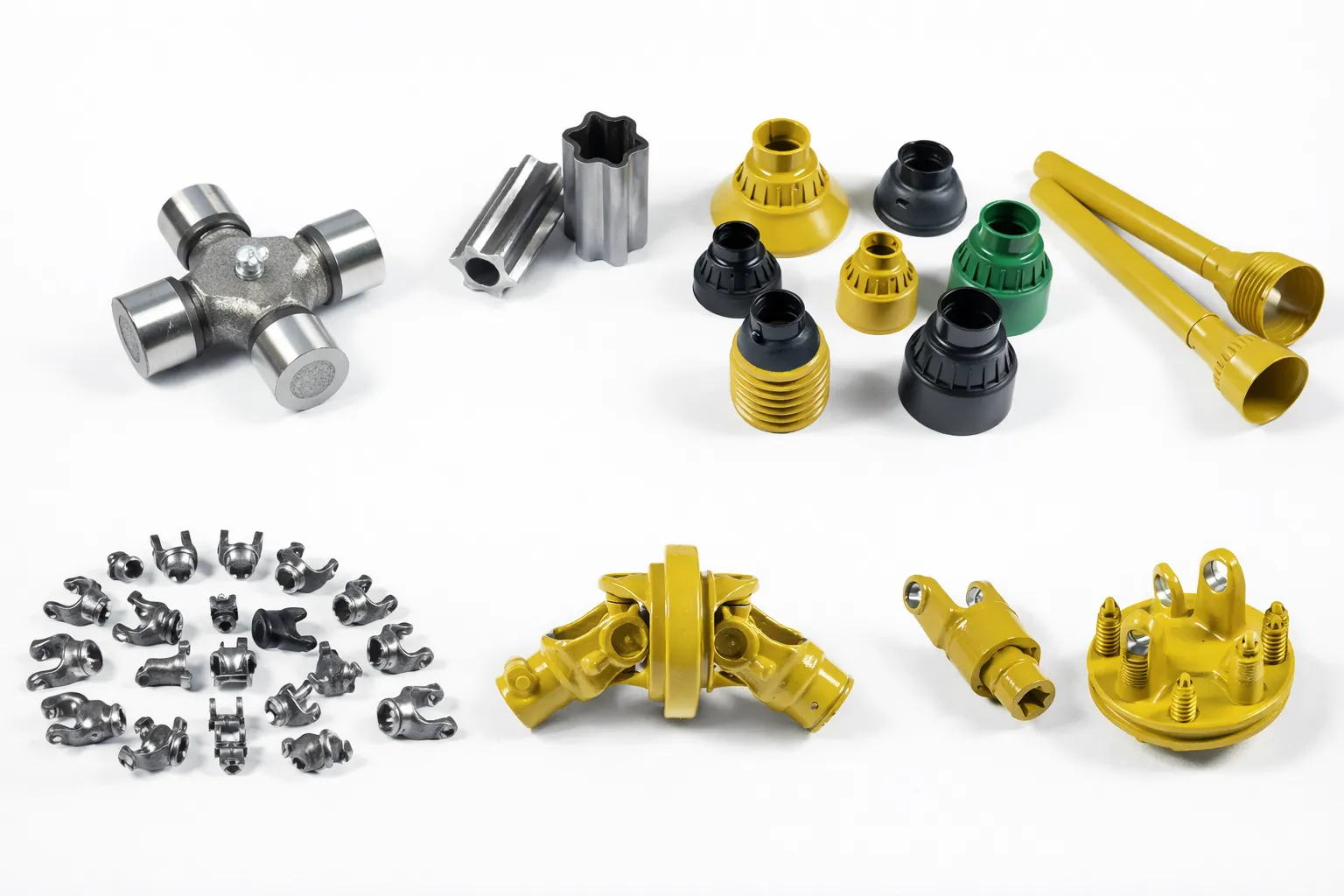
During tight harvesting windows, locating direct OEM replacement parts can cause crippling delays. Our agricultural PTO shafts and individual components—such as crosses, yokes, and telescoping profiles—are dimensionally standardized to serve as premium drop-in replacements for the vast majority of implements on the market.
Legal Compatibility Disclaimer: Our complete driveshafts and replacement components are precision-engineered to perfectly match and replace units originally manufactured by Comer Industries™, GKN™, Walterscheid™, and Bondioli & Pavesi™. (Note: All original equipment manufacturer names, trademarks, and part numbers mentioned herein are strictly for technical reference and cross-matching purposes only. EVER-POWER operates as a completely independent manufacturer.)
Australian Federal & State Safety Mandates
Unshielded power take-off systems are historically one of the leading causes of catastrophic farm injuries. Within Australia, agricultural machinery safety is intensely monitored. Our equipment strictly adheres to the following frameworks:
- Australian Standard AS 1121.4 Compliance: Our interactive guarding systems completely encapsulate the spinning metal core. All master shields pass rigorous dimensional geometry and crush tests.
- SafeWork NSW Requirements: Our supplied anti-rotation chains ensure the U-joint guard remains entirely stationary, fully satisfying SafeWork’s strict entanglement prevention codes for active machinery.
- WorkSafe Victoria Rebate Alignment: Upgrading exposed or cracked factory shafts to our fully enclosed CE/ISO rated systems may assist farm managers in qualifying for localized Quad Bike/Tractor Safety Rebate Schemes upon audit.
Powertrain Selection Guide
Selecting the incorrect PTO size or clutch type will drastically reduce the lifespan of your hayrake’s main transmission. Farm managers and mechanical technicians must verify the following five parameters before authorizing a purchase.
| Validation Step | Measurement / Identification Protocol | Optimal Configuration for Hayrakes |
|---|---|---|
| Step 1: Determine Closed Length | Measure your existing, fully collapsed shaft from the center of the tractor U-joint to the center of the implement U-joint (Cross-to-Cross). | Trailed hayrakes generally feature longer drawbars, requiring extended shaft lengths ranging from 1210mm to 1500mm. |
| Step 2: Identify Spline Geometry | Count the number of teeth on the tractor output stub and measure the exact outer diameter (e.g., 1-3/8″ ≈ 34.9mm). | The overwhelming majority of Australian utility tractors (50-100 HP) utilize a standard 1-3/8″ 6-Spline configuration. |
| Step 3: Calculate Power Series | Use a digital caliper to measure the U-joint cap diameter and total cross width (e.g., 27×74.6mm denotes Series 4). | For dual or quad-rotor rakes moving massive windrows, a heavy-duty Series 5 or Series 6 is strongly recommended. |
| Step 4: Specify Safety Device | Evaluate the risk of sudden mechanical blockages during standard operation to select the right torque limiter. | Friction Slip Clutches are mandatory for hayrakes. Replacing shear bolts constantly during a jam wastes too much valuable daylight. |
| Step 5: Articulation Needs | Determine if the operator needs to leave the PTO engaged while executing sharp U-turns at the end of the field. | If continuous turning without disengagement is required, select an 80° Wide-Angle CV Joint for the tractor side. |

Targeted Hayrake Installation Protocol
- Length Calibration (Cutting to Size): Separate the inner and outer halves. Attach one half to the tractor and the other to the hayrake. Position the tractor at the sharpest turning angle to find the shortest possible distance. Mark the overlap. Cut equal lengths from both the steel tubing and the plastic shield. File away all burrs and clean out metal shavings. Critical Rule: In the maximum extended working position, telescopic overlap must never fall below 1/3 of the total tube length.
- Deep Lubrication Injection: Before marrying the halves together, apply a generous coating of premium EP2 lithium grease along the entire outer surface of the inner profile tube. Pump grease into the cross journal Zerk fittings until fresh lubricant gently purges past the elastomer seals.
- Directional Orientation: The end featuring the heavy safety device (e.g., the Friction Slip Clutch or Overrunning Clutch) must strictly be installed on the implement side (attached to the hayrake’s gearbox), not the tractor. Ensure the quick-disconnect push-pins fully rebound, locking securely into the spline grooves.
- Anti-Rotation Securing: Anchor the safety chains to stationary points on both the tractor chassis and the implement frame. Leave enough slack to accommodate wide turns, but not so much that the chain could wrap around the spinning yokes.
Driveline Operation Troubleshooting
Severe Vibration Experienced at Operating Speeds
Diagnosis & Solution: This is typically caused by incorrect “phasing.” If the inner tube was removed, it may have been reinserted out of alignment. Separate the halves and align the manufacturer’s arrow marks stamped on the tubing. Alternatively, inspect the U-joint crosses for extreme play indicating collapsed needle bearings, which requires immediate joint replacement.
Clutch Assembly Smoking or Continuous Slippage
Diagnosis & Solution: The friction clutch torque setting is too low for the load, or the rake is attempting to process impossibly dense, wet forage. Loosen the compression nuts, inspect the friction discs for severe carbonization (glazing), and replace if glossy/burnt. If the pads are healthy, tighten the tension springs evenly in a diagonal pattern to increase the slip threshold.
Telescopic Tubes Binding or Bending
Diagnosis & Solution: Chronic lack of profile tube lubrication, or the 3-point hitch was raised too high, pushing the shaft beyond its minimum collapsed length and forcing the tubes to “bottom out.” You must replace the compromised steel sections and adjust the tractor’s lift-limit chains.
Master Shield Spinning with the Shaft
Diagnosis & Solution: The internal nylon support bearings have seized due to dirt compaction, or the restraining chains have snapped. Unhook the shaft, spray a dry PTFE lubricant into the guard bearing grooves, and ensure the plastic shield can be easily held completely stationary by hand.
Frontline Pasture Data: Engineer’s Case Studies in Australia
Real-world application feedback spanning diverse agricultural zones from the East Coast to Western Australia.
📍 Case 1: Tamworth, New South Wales
Equipment Context: Heavy-duty twin-rotor rotary rake used for massive Lucerne (Alfalfa) contracting.
Field Challenge: Generic factory drivelines generated extreme resonant vibrations during high-speed cornering, causing the front gearbox input bearings to frequently collapse under the stress.
— David M., Agricultural Fleet Manager
📍 Case 2: Toowoomba, Queensland
Equipment Context: High-capacity trailed Wheel V-Rake operating in dry conditions.
Field Challenge: Exceptionally uneven terrain combined with severe red dust ingress caused standard U-joint dust seals to fail within weeks, grinding the needle bearings into powder.
— Steven R., Broadacre Farmer
📍 Case 3: Colac, Victoria
Equipment Context: Silage merging equipment utilized exclusively on large-scale dairy farms.
Field Challenge: Heavy morning dew creates wet, sticky wads of ryegrass that constantly jam the tine rotors, violently stalling the tractor engine or snapping shear pins multiple times a day.
— John H., Dairy Operations Supervisor
📍 Case 4: Albany, Western Australia
Equipment Context: Trailed tedder/rake combination working adjacent to the Southern Ocean coast.
Field Challenge: Aggressive salt-spray ocean winds cause rapid oxidation of bare metal yokes and premature embrittlement of standard plastic safety shielding.
— Bill T., Implement Dealership Owner
📍 Case 5: Mount Gambier, South Australia
Equipment Context: Light-duty 3-point linkage mounted rake for a boutique equestrian property.
Field Challenge: Operators lacking specialized mechanical skills struggled to connect traditional sliding profiles and routinely neglected complex maintenance tasks.
— Emma L., Boutique Property Owner
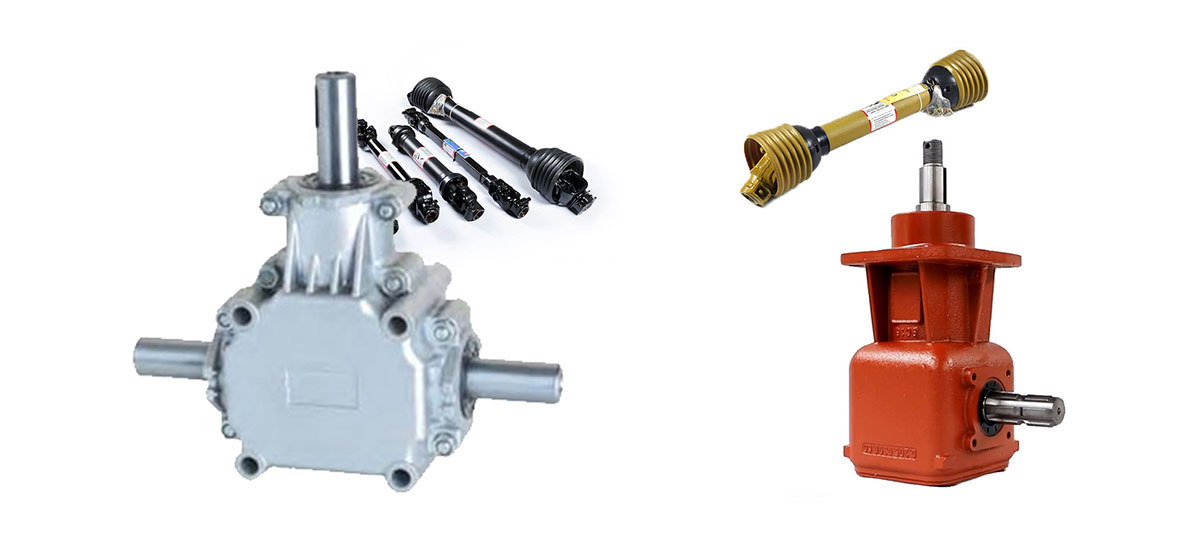
System-Level Powertrain Solutions: Gearboxes & Hardware
As a fully integrated kinetic transmission manufacturer, we understand that an exceptional pto drive shaft is only one part of the equation. We concurrently manufacture precisely matched gear systems and terminal drive hardware to complete your machinery’s power loop.

Power Transmission Engineering: Frequently Asked Questions
1. Why is a friction slip clutch absolutely critical for a hayrake application?
Hayrakes operate incredibly close to the ground, frequently striking hidden rocks, stump remnants, or processing exceptionally dense, wet mounds of grass. This causes the rotor to stop instantly. Without a slip clutch to intentionally burn off this immense rotational kinetic energy, the rigid driveline would snap the U-joint crosses or structurally shear the gears inside the tractor’s PTO housing.
2. What is the engineering difference between a standard U-joint and an 80° CV (Constant Velocity) joint?
A standard single Cardan joint creates severe fluctuations in rotational speed if operated continuously at angles greater than 25 degrees, resulting in a violent shudder. A CV joint utilizes a specialized double-yoke and centering-disk architecture, cancelling out these velocity fluctuations. This allows the operator to execute tight 80-degree headland turns while the tractor is still transmitting full power, vastly increasing field efficiency.
3. How can I visually or dimensionally identify if I need a Series 4 or Series 6 shaft?
Classification is strictly determined by the dimensions of the cross journal (the cross-shaped bearing). Using digital calipers, measure the diameter of the bearing cap and the overall width of the cross. A Series 4 cross typically measures 27mm x 74.6mm (suited for 35-50 HP), whereas a heavy-duty Series 6 measures 30.2mm x 92mm (rated for 60-80 HP transfer).
4. Does the shape of the telescopic tubing (Lemon vs. Triangular) impact performance?
Both geometries are highly reliable and common across European and Australian machinery. The distinction primarily stems from historical OEM preferences (e.g., Comer often utilized triangular profiles, while Walterscheid popularized the lemon profile). Lemon tubes offer greater surface contact area for slightly smoother telescoping under torque, while triangular tubes provide marginal improvements in absolute torsional rigidity. We manufacture both to ensure 100% aftermarket compatibility.
5. Is it safe for me to cut a brand new driveshaft to make it shorter?
Yes, this is a standard and necessary mechanical adaptation procedure for matching universal shafts to specific tractor-implement geometries. However, you must carefully calculate the cut to ensure you slice identical lengths from the outer shield, inner shield, outer steel tube, and inner steel tube. You must also guarantee that, in its most extended operational state, the shaft retains an overlap of at least one-third of its original length.
6. My shear bolts keep snapping. Can I upgrade to a Grade 10.9 or Grade 12.9 hardened steel bolt?
Absolutely not. A shear bolt acts as the sacrificial “mechanical fuse” of your powertrain. The system is meticulously engineered to break a standard Grade 8.8 bolt at a specific torque threshold. By substituting a high-tensile bolt, you remove the failure point from the cheap, replaceable bolt and transfer that destructive energy directly into the expensive internal bevel gears, almost guaranteeing a catastrophic transmission failure.
7. Are the plastic safety shields resilient enough for constant Australian UV exposure?
We formulate our safety master shields using high-density polyethylene (HDPE) injected with heavy-duty UV inhibitors and anti-oxidants specifically to combat the extreme solar radiation of the Southern Hemisphere. While highly resistant to solar embrittlement, we still advise storing equipment under cover or using a canvas tarp during the off-season to maximize operational longevity.
8. What is the mandatory lubrication and maintenance interval?
Under severe haying conditions, universal joint crosses must be purged with fresh EP2 grease every 50 operating hours. The telescopic profile tubes should be separated, cleaned, and re-greased prior to every harvesting season. Crucially, friction slip clutches must be “slipped” (loosening springs and running for 5 seconds to clear rust/glaze) before their first use after winter storage to prevent the plates from fusing together.
9. What if my tractor output shaft does not use the standard 1-3/8″ 6-spline configuration?
We provide comprehensive metallurgical solutions. We can supply hardened steel spline adapters (sleeves) to step-up or step-down your connection. Alternatively, our factory can custom-forge yokes directly machined for 1-3/8″ 21-spline, 1-3/4″ 20-spline, or even plain-bore variants with keyways for industrial stationary equipment applications.
10. What warranty and quality assurance protocols cover these assemblies?
Assuming correct engineering selection and documented adherence to our lubrication protocols, we provide a robust 12-month manufacturing defect warranty on structural steel components (yokes, tubes). Consumable friction materials, shear bolts, and U-joint bearings subjected to standard wear-and-tear are supported by our vast, rapidly deployable OEM spare parts inventory.
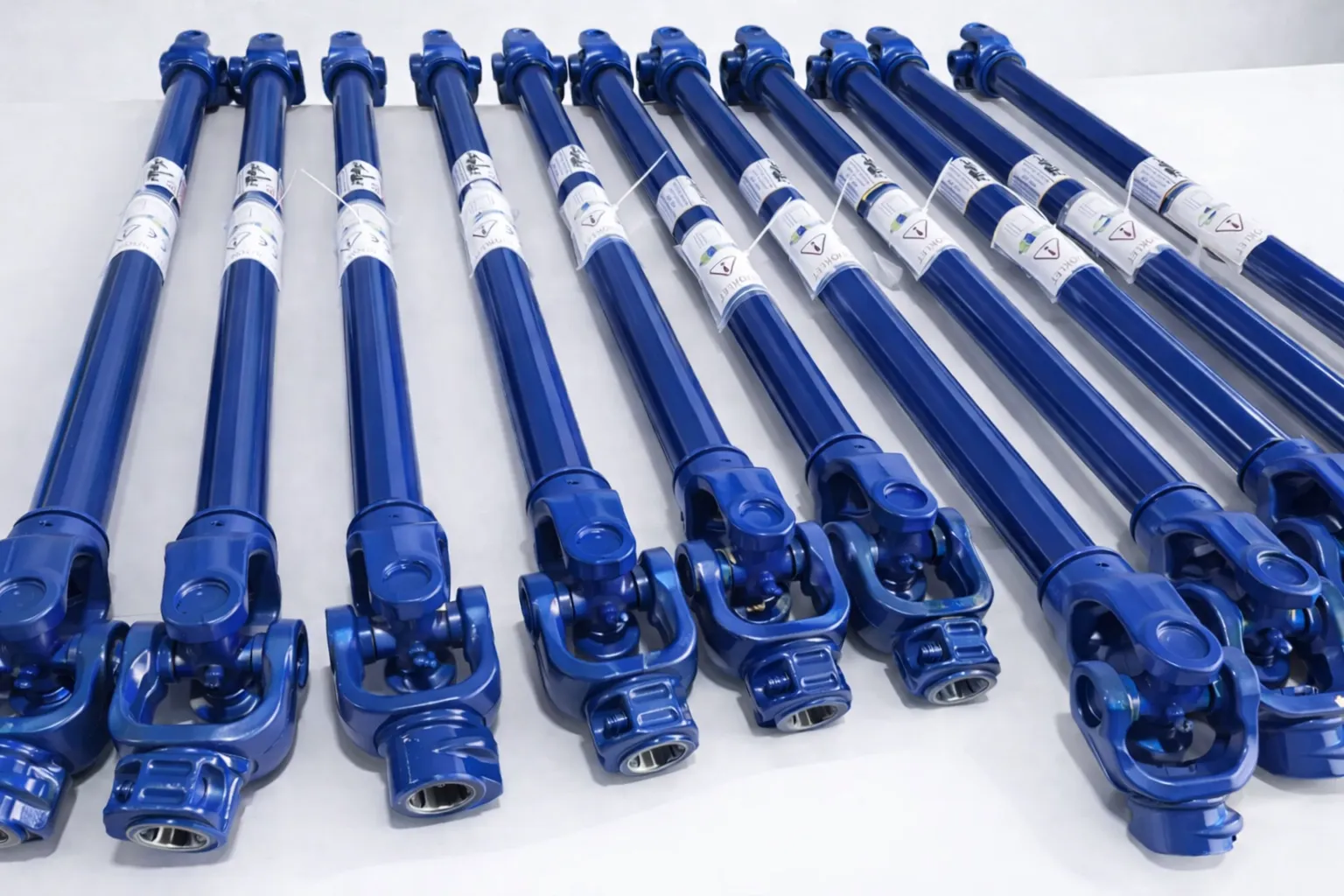
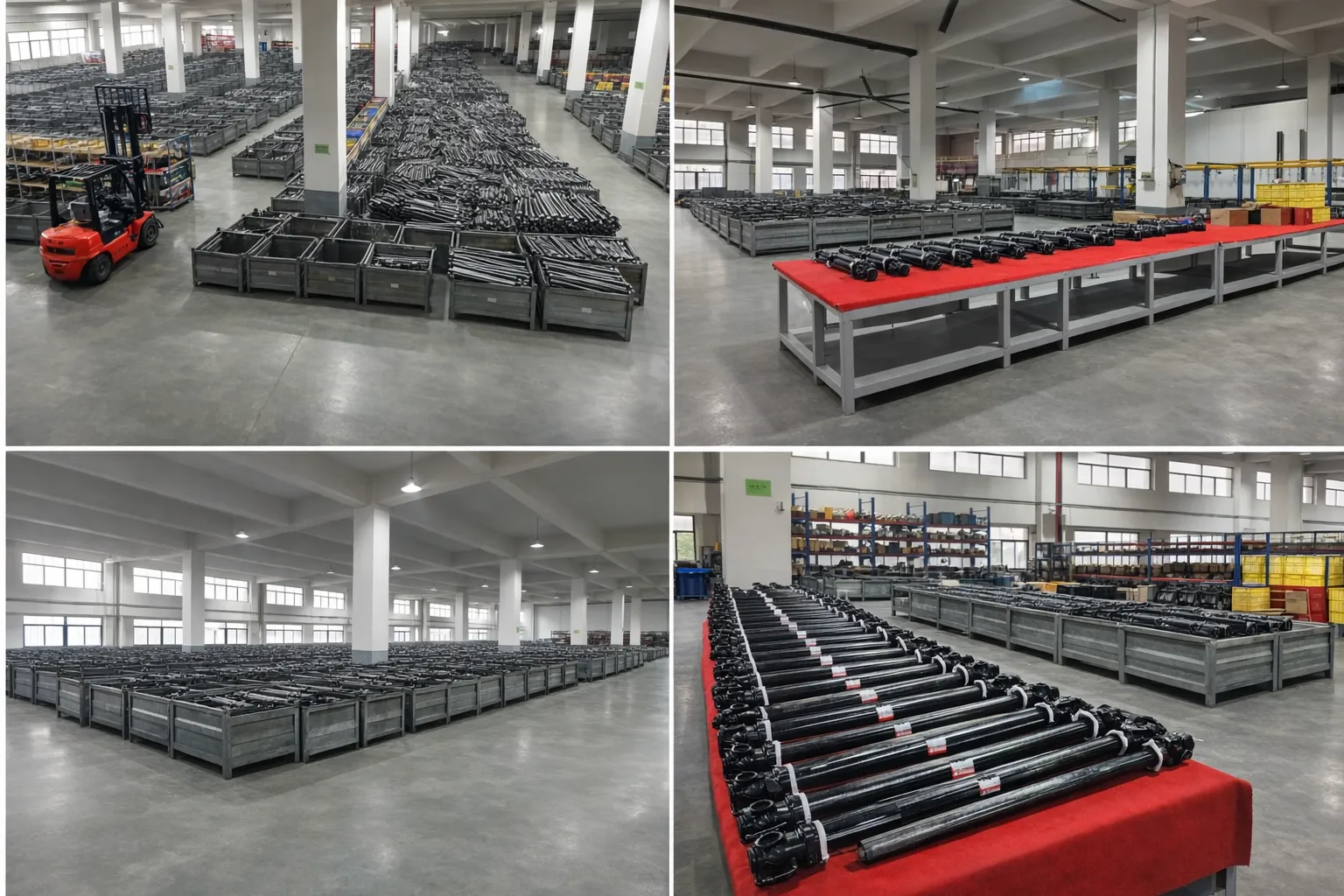
Global Industrial Powertrain Capacity: Beyond Standard Catalogues
EVER-POWER operates a cutting-edge 20,000-square-meter manufacturing complex equipped with multi-axis CNC machining centers, automated robotic welding cells, and dedicated dynamic balancing labs. We are not restricted to supplying off-the-shelf catalog items; our metallurgical prowess allows us to conquer highly specialized, non-standard industrial challenges.
- ✓ Blueprint Engineering: Submit your CAD files or load parameters. Our engineering department will execute reverse-modeling and provide technical feedback within 48 hours.
- ✓ Sample Replication & Enhancement: Ship us a fractured or underperforming sample. We will conduct metallurgical failure analysis and manufacture an upgraded replacement that corrects original material defects.
- ✓ OEM Machinery Integration: We offer Just-In-Time (JIT) direct supply chain solutions for global agricultural machinery manufacturers, complete with custom pantone painting and laser branding.
Initiate Your Custom Powertrain Evaluation
Whether you are attempting to eliminate a stubborn resonance vibration on a single machine or sourcing high-volume assemblies for an entire manufacturing line, our senior driveline engineers are prepared to calculate your torque requirements.