제품 설명
High Hardness HRC62-65 Drive Shaft Gcr15 (BXY) Material Transmission Shaft
제품 설명
Linear Shaft is the guiding effect of sliding bearing, which can make the products of linear motion.
The necessary conditions required by the linear motion system is: Simple design, the best performance, low maintenance cost, using the selected durable material, high-frequency heat treatment, the accurate outside
Diameter size, roundness, really straight and surface treatment, etc.
Linear Shaft (Linear rod; Steel bar; Optical axis)
|
Model No. |
WCS CZPT WC SF series 3mm, 4mm, 5mm, 6mm, 8mm, 10mm, 12mm, 13mm, 16mm, 20mm, |
|
재료 |
45# steel,GCR15,SUS440C |
|
OEM & ODM |
예 |
|
Hardened layer thickness |
0.8mm-3mm
|
|
Length |
0-6000mm (If you need above 6000mm, we can anti-connect for you) |
|
Precision |
G6 H6 G7 H7 customized |
|
Roughness |
Within 1.5μm |
|
Straightness |
Not excess 1.5μm of 100mm (Rmax) |
|
OEM & ODM |
We are Professional bearing manufactory in China, the bearing of High Quality can be OEM & Customized |
Linear Shaft Application:
1. CZPT shaft
Generally applicable to industrial robots, as a professional measuring instruments, medical equipment, precision machine tools, aircraft shaft, pneumatic mandrel movement part.
2. Hollow shaft
With its weight to reduce equipment, simplify the structure of the advantages, you can then wear the internal measurement of wire, compressed air, can also add lubricants and hydraulic oil.
3. Stainless steel shaft
It’s generally suitable for use as a part of the measurement in the presence of chemicals such as chemicals, seawater and other
Substances.
Special machining shafts are finely finished after heat treatment with hard chrome plating for all types of automation equipment.
Special Machining for Linear Shaft:
1. For the Length
We can offer linear shaft with diameterφ5mm-φ150mm. Maxium length up to 6000mm.
When you are special requirements on length, we can meet your machining requirements with different length.
When you request above 6000mm, we can anti-connect for you.
2. For Special Processing
When you have special requirements on machining. Such as threading, coaxial holes drilled and tapped, radial holes drilled and tapped, reduced shaft diameter etc, we can machine for you, and these special machines are finished after heat treatment and hard chromic so that ensure the precision of product.
Send us your detailed sketch or blue print for propmt quotation and action, you should be satisfied with our service.
포장
1.Pipe +Wooden box packing
2.Plastic bag+Wooden box packing
3.Industrial packing
4.According customers requirements to do
Company:
BXY BRAND is a professional Bearing and Grease Manufacturer & Trader that focus on Research & Development, Design, Production and Sales of Bearing and Grease.There has been over 20years of experience in Bearing and Grease domestic & overseas market since we established. In addition to excellent OEM services, we also registered our own brand: BXY,QHW,SKYN,etc.
In order to supply better service and products for valued customers from all over the world, CZPT BRAND follows the development policy of “quality-oriented, customer first” with the goal of “Zero Defect” and the core value of “Integrity of the root” to build CZPT Industry into a modern enterprise company with advanced system, technology, management and beautiful environment.
We use a fully automatic production line and advanced testing equipment to track and control the whole production process to ensure the stability and consistency of our quality.Meanwhile, the complete strict quality control process can ensure high quality from raw material purchasing to finished product.
Develop up to today, Bearings and Grease from factory are very popular all over the world, such as Russia, Spain, Brazil, America, South Africa, Southeast Asia and other countries.
Major Competitive Advantages
More than 20years of professional experience as a manufacturer of bearing and lubricating grease
·Diversification of packaging, standard industrial package or unique package on your request
·Strong researching and developing team to solve grease problems.
·Professional Technical Support
·Just-in-time delivery
·Small trial orders can be accepted
·Free sample is available
·High quality bearings with international standard
Why Choose Us
We take “Zero Defect” and ” Integrity-Oriented” as our work goal and core value with Quality of the root and customer first.
Establish long-term business relationship with us, you will get:
·Quick response within 24/7
·Professional technical support
·Reasonable price with right quality
·Prompt lead time
·Excellent after-service
And more extra values when you need.
연락하다
| Feature: | Linear Shaft |
|---|---|
| Function: | Ordinary |
| Flange Shape: | Circular |
| Shape: | Circular |
| Series: | 3mm-150mm |
| 재료: | Bearing Steel |
| 맞춤 설정: |
사용 가능
| 맞춤형 요청 |
|---|
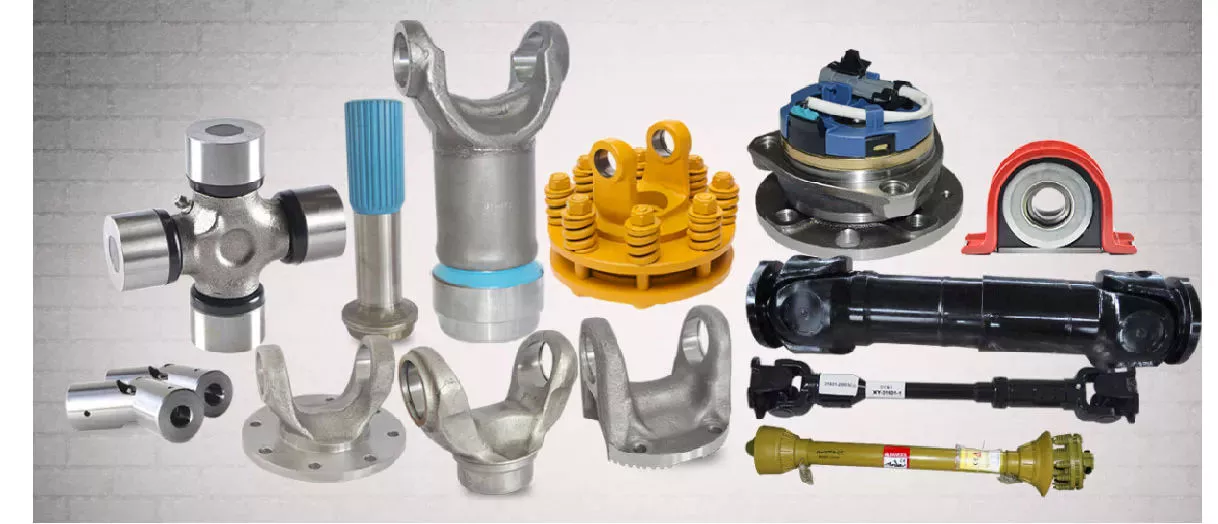
What factors should be considered when selecting the right drive shaft for an application?
When selecting the right drive shaft for an application, several factors need to be considered. The choice of drive shaft plays a crucial role in ensuring efficient and reliable power transmission. Here are the key factors to consider:
1. Power and Torque Requirements:
The power and torque requirements of the application are essential considerations. It is crucial to determine the maximum torque that the drive shaft will need to transmit without failure or excessive deflection. This includes evaluating the power output of the engine or power source, as well as the torque demands of the driven components. Selecting a drive shaft with the appropriate diameter, material strength, and design is essential to ensure it can handle the expected torque levels without compromising performance or safety.
2. Operating Speed:
The operating speed of the drive shaft is another critical factor. The rotational speed affects the dynamic behavior of the drive shaft, including the potential for vibration, resonance, and critical speed limitations. It is important to choose a drive shaft that can operate within the desired speed range without encountering excessive vibrations or compromising the structural integrity. Factors such as the material properties, balance, and critical speed analysis should be considered to ensure the drive shaft can handle the required operating speed effectively.
3. Length and Alignment:
The length and alignment requirements of the application must be considered when selecting a drive shaft. The distance between the engine or power source and the driven components determines the required length of the drive shaft. In situations where there are significant variations in length or operating angles, telescopic drive shafts or multiple drive shafts with appropriate couplings or universal joints may be necessary. Proper alignment of the drive shaft is crucial to minimize vibrations, reduce wear and tear, and ensure efficient power transmission.
4. Space Limitations:
The available space within the application is an important factor to consider. The drive shaft must fit within the allocated space without interfering with other components or structures. It is essential to consider the overall dimensions of the drive shaft, including length, diameter, and any additional components such as joints or couplings. In some cases, custom or compact drive shaft designs may be required to accommodate space limitations while maintaining adequate power transmission capabilities.
5. Environmental Conditions:
The environmental conditions in which the drive shaft will operate should be evaluated. Factors such as temperature, humidity, corrosive agents, and exposure to contaminants can impact the performance and lifespan of the drive shaft. It is important to select materials and coatings that can withstand the specific environmental conditions to prevent corrosion, degradation, or premature failure of the drive shaft. Special considerations may be necessary for applications exposed to extreme temperatures, water, chemicals, or abrasive substances.
6. Application Type and Industry:
The specific application type and industry requirements play a significant role in drive shaft selection. Different industries, such as automotive, aerospace, industrial machinery, agriculture, or marine, have unique demands that need to be addressed. Understanding the specific needs and operating conditions of the application is crucial in determining the appropriate drive shaft design, materials, and performance characteristics. Compliance with industry standards and regulations may also be a consideration in certain applications.
7. Maintenance and Serviceability:
The ease of maintenance and serviceability should be taken into account. Some drive shaft designs may require periodic inspection, lubrication, or replacement of components. Considering the accessibility of the drive shaft and associated maintenance requirements can help minimize downtime and ensure long-term reliability. Easy disassembly and reassembly of the drive shaft can also be beneficial for repair or component replacement.
By carefully considering these factors, one can select the right drive shaft for an application that meets the power transmission needs, operating conditions, and durability requirements, ultimately ensuring optimal performance and reliability.

구동축은 자동차와 트럭의 성능을 어떻게 향상시키나요?
구동축은 자동차와 트럭의 성능 향상에 중요한 역할을 합니다. 구동축은 동력 전달, 견인력, 핸들링, 전반적인 효율성 등 차량 성능의 다양한 측면에 기여합니다. 구동축이 자동차와 트럭의 성능을 향상시키는 방법에 대한 자세한 설명은 다음과 같습니다.
1. 전력 공급:
구동축은 엔진의 동력을 바퀴로 전달하여 차량이 앞으로 나아갈 수 있도록 하는 역할을 합니다. 구동축은 동력 손실을 최소화하면서 효율적으로 동력을 전달함으로써 엔진의 동력을 효과적으로 활용하여 가속력과 전반적인 성능을 향상시킵니다. 동력 손실을 최소화하도록 잘 설계된 구동축은 차량이 바퀴에 동력을 효율적으로 전달하는 데 기여합니다.
2. 토크 전달:
구동축은 엔진에서 바퀴로 토크를 전달하는 역할을 합니다. 토크는 차량을 앞으로 나아가게 하는 회전력입니다. 적절한 토크 변환 능력을 갖춘 고품질 구동축은 엔진에서 생성된 토크가 바퀴에 효과적으로 전달되도록 합니다. 이는 차량의 가속력, 무거운 짐 견인 능력, 가파른 경사로 등판 능력 등을 향상시켜 전반적인 성능을 개선합니다.
3. 접지력 및 안정성:
구동축은 자동차와 트럭의 견인력과 안정성에 중요한 역할을 합니다. 구동축은 바퀴에 동력을 전달하여 바퀴가 노면에 힘을 가할 수 있도록 합니다. 이를 통해 차량은 특히 가속 시 또는 미끄럽거나 고르지 않은 노면을 주행할 때 접지력을 유지할 수 있습니다. 구동축을 통한 효율적인 동력 전달은 모든 바퀴에 균형 잡힌 동력을 분배하여 차량의 안정성을 높이고, 제어력과 핸들링을 향상시킵니다.
4. 조종성 및 기동성:
구동축은 차량의 핸들링과 기동성에 큰 영향을 미칩니다. 엔진과 바퀴를 직접 연결하여 정밀한 제어와 민첩한 핸들링을 가능하게 합니다. 유격이나 백래시가 최소화된 잘 설계된 구동축은 운전자의 조작에 더욱 즉각적이고 직접적인 반응을 제공하여 차량의 민첩성과 기동성을 향상시킵니다.
5. 체중 감량:
구동축은 자동차와 트럭의 경량화에 기여할 수 있습니다. 알루미늄이나 탄소섬유 강화 복합재와 같은 소재로 제작된 경량 구동축은 차량 전체 중량을 줄여줍니다. 중량 감소는 출력 대 중량비를 향상시켜 가속력, 핸들링 및 연비 개선으로 이어집니다. 또한, 경량 구동축은 회전 질량을 줄여 엔진 회전수를 더 빠르게 높일 수 있도록 해주어 성능을 더욱 향상시킵니다.
6. 기계적 효율:
효율적인 구동축은 동력 전달 중 에너지 손실을 최소화합니다. 고품질 베어링, 저마찰 씰, 최적화된 윤활과 같은 기능을 통합함으로써 구동축은 마찰을 줄이고 내부 저항으로 인한 동력 손실을 최소화합니다. 이는 구동계의 기계적 효율을 향상시켜 더 많은 동력을 바퀴에 전달하고 차량의 전반적인 성능을 개선합니다.
7. 성능 향상:
드라이브 샤프트 업그레이드는 자동차 애호가들 사이에서 인기 있는 성능 향상 방법입니다. 더 강한 소재로 제작되거나 토크 용량이 향상된 드라이브 샤프트는 튜닝된 엔진의 더 높은 출력을 감당할 수 있습니다. 이러한 업그레이드를 통해 가속력 향상, 최고 속도 증가, 전반적인 주행 성능 개선 등 성능 향상을 기대할 수 있습니다.
8. 성능 개조와의 호환성:
엔진 업그레이드, 출력 증대 또는 구동계 변경과 같은 성능 개선을 위해서는 호환 가능한 드라이브 샤프트가 필요한 경우가 많습니다. 더 높은 토크 부하를 처리하거나 변경된 구동계 구성에 맞게 설계된 드라이브 샤프트는 최적의 성능과 신뢰성을 보장합니다. 이러한 드라이브 샤프트를 통해 차량은 증가된 출력과 토크를 효과적으로 활용하여 성능과 반응성을 향상시킬 수 있습니다.
9. 내구성과 신뢰성:
견고하고 잘 관리된 구동축은 자동차와 트럭의 내구성과 신뢰성에 크게 기여합니다. 구동축은 동력 전달과 관련된 스트레스와 하중을 견딜 수 있도록 설계되었습니다. 고품질 소재, 적절한 밸런싱, 그리고 정기적인 유지보수는 구동축의 원활한 작동을 보장하고 고장이나 성능 저하의 위험을 최소화합니다. 신뢰할 수 있는 구동축은 일관된 동력 전달을 제공하고 가동 중지 시간을 최소화하여 전반적인 성능을 향상시킵니다.
10. 첨단 기술과의 호환성:
구동축은 차량 기술의 발전과 함께 진화하고 있습니다. 하이브리드 파워트레인, 전기 모터, 회생 제동 시스템과 같은 첨단 시스템과의 통합이 점차 확대되고 있습니다. 이러한 기술과 완벽하게 호환되도록 설계된 구동축은 효율성과 성능을 극대화하여 차량의 전반적인 성능 향상에 기여합니다.
요약하자면, 구동축은 동력 전달을 최적화하고, 토크 전달을 원활하게 하며, 견인력과 안정성을 향상시키고, 핸들링과 기동성을 개선하고, 무게를 줄이고, 기계적 효율을 높이고, 성능 향상 및 첨단 기술과의 호환성을 제공함으로써 자동차와 트럭의 성능을 향상시킵니다. 구동축은 효율적인 동력 전달, 즉각적인 가속, 정밀한 핸들링, 그리고 차량의 전반적인 성능 향상에 매우 중요한 역할을 합니다.
How do drive shafts contribute to transferring rotational power in various applications?
Drive shafts play a crucial role in transferring rotational power from the engine or power source to the wheels or driven components in various applications. Whether it’s in vehicles or machinery, drive shafts enable efficient power transmission and facilitate the functioning of different systems. Here’s a detailed explanation of how drive shafts contribute to transferring rotational power:
1. Vehicle Applications:
In vehicles, drive shafts are responsible for transmitting rotational power from the engine to the wheels, enabling the vehicle to move. The drive shaft connects the gearbox or transmission output shaft to the differential, which further distributes the power to the wheels. As the engine generates torque, it is transferred through the drive shaft to the wheels, propelling the vehicle forward. This power transfer allows the vehicle to accelerate, maintain speed, and overcome resistance, such as friction and inclines.
2. Machinery Applications:
In machinery, drive shafts are utilized to transfer rotational power from the engine or motor to various driven components. For example, in industrial machinery, drive shafts may be used to transmit power to pumps, generators, conveyors, or other mechanical systems. In agricultural machinery, drive shafts are commonly employed to connect the power source to equipment such as harvesters, balers, or irrigation systems. Drive shafts enable these machines to perform their intended functions by delivering rotational power to the necessary components.
3. Power Transmission:
Drive shafts are designed to transmit rotational power efficiently and reliably. They are capable of transferring substantial amounts of torque from the engine to the wheels or driven components. The torque generated by the engine is transmitted through the drive shaft without significant power losses. By maintaining a rigid connection between the engine and the driven components, drive shafts ensure that the power produced by the engine is effectively utilized in performing useful work.
4. Flexible Coupling:
One of the key functions of drive shafts is to provide a flexible coupling between the engine/transmission and the wheels or driven components. This flexibility allows the drive shaft to accommodate angular movement and compensate for misalignment between the engine and the driven system. In vehicles, as the suspension system moves or the wheels encounter uneven terrain, the drive shaft adjusts its length and angle to maintain a constant power transfer. This flexibility helps prevent excessive stress on the drivetrain components and ensures smooth power transmission.
5. Torque and Speed Transmission:
Drive shafts are responsible for transmitting both torque and rotational speed. Torque is the rotational force generated by the engine or power source, while rotational speed is the number of revolutions per minute (RPM). Drive shafts must be capable of handling the torque requirements of the application without excessive twisting or bending. Additionally, they need to maintain the desired rotational speed to ensure the proper functioning of the driven components. Proper design, material selection, and balancing of the drive shafts contribute to efficient torque and speed transmission.
6. Length and Balance:
The length and balance of drive shafts are critical factors in their performance. The length of the drive shaft is determined by the distance between the engine or power source and the driven components. It should be appropriately sized to avoid excessive vibrations or bending. Drive shafts are carefully balanced to minimize vibrations and rotational imbalances, which can affect the overall performance, comfort, and longevity of the drivetrain system.
7. Safety and Maintenance:
Drive shafts require proper safety measures and regular maintenance. In vehicles, drive shafts are often enclosed within a protective tube or housing to prevent contact with moving parts, reducing the risk of injury. Safety shields or guards may also be installed around exposed drive shafts in machinery to protect operators from potential hazards. Regular maintenance includes inspecting the drive shaft for wear, damage, or misalignment, and ensuring proper lubrication of the U-joints. These measures help prevent failures, ensure optimal performance, and extend the service life of the drive shaft.
In summary, drive shafts play a vital role in transferring rotational power in various applications. Whether in vehicles or machinery, drive shafts enable efficient power transmission from the engine or power source to the wheels or driven components. They provide a flexible coupling, handle torque and speed transmission, accommodate angular movement, and contribute to the safety and maintenance of the system. By effectively transferring rotational power, drive shafts facilitate the functioning and performance of vehicles and machinery in numerous industries.


editor by CX 2023-11-18