제품 설명
Gear universal joint agricultural machinery transmission shaft Baler transmission shaft High horsepower transmission shaft
Product Features: Electronic Processing Customization: Yes Brand: Electronic Processing
Model: Electric machine Applicable model: Agricultural machine Length: Electric machine mm
***Degree: diameter of electrode: electrode d Origin: electrode
Part number: Dianyi
| 유형: | Transmission Shaft |
|---|---|
| 용법: | Agricultural Products Processing, Farmland Infrastructure, Tillage, Harvester, Planting and Fertilization, Grain Threshing, Cleaning and Drying |
| 재료: | Carbon Steel |
| 전원 공급원: | 디젤 |
| 무게: | Discuss Personally |
| 판매 후 서비스: | One Year |
| 맞춤 설정: |
사용 가능
| 맞춤형 요청 |
|---|
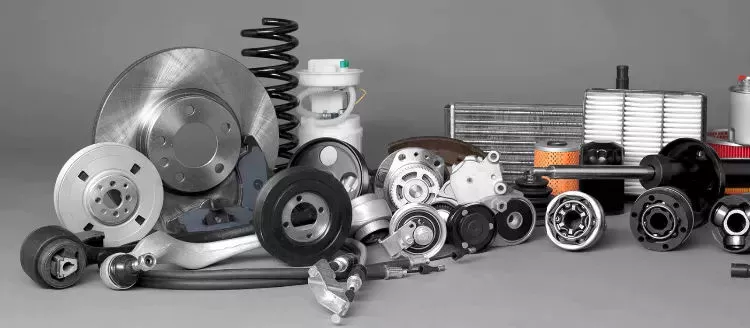
Can drive shafts be adapted for use in both automotive and industrial settings?
Yes, drive shafts can be adapted for use in both automotive and industrial settings. While there may be some differences in design and specifications based on the specific application requirements, the fundamental principles and functions of drive shafts remain applicable in both contexts. Here’s a detailed explanation:
1. Power Transmission:
Drive shafts serve the primary purpose of transmitting rotational power from a power source, such as an engine or motor, to driven components, which can be wheels, machinery, or other mechanical systems. This fundamental function applies to both automotive and industrial settings. Whether it’s delivering power to the wheels of a vehicle or transferring torque to industrial machinery, the basic principle of power transmission remains the same for drive shafts in both contexts.
2. Design Considerations:
While there may be variations in design based on specific applications, the core design considerations for drive shafts are similar in both automotive and industrial settings. Factors such as torque requirements, operating speeds, length, and material selection are taken into account in both cases. Automotive drive shafts are typically designed to accommodate the dynamic nature of vehicle operation, including variations in speed, angles, and suspension movement. Industrial drive shafts, on the other hand, may be designed for specific machinery and equipment, taking into consideration factors such as load capacity, operating conditions, and alignment requirements. However, the underlying principles of ensuring proper dimensions, strength, and balance are essential in both automotive and industrial drive shaft designs.
3. Material Selection:
The material selection for drive shafts is influenced by the specific requirements of the application, whether in automotive or industrial settings. In automotive applications, drive shafts are commonly made from materials such as steel or aluminum alloys, chosen for their strength, durability, and ability to withstand varying operating conditions. In industrial settings, drive shafts may be made from a broader range of materials, including steel, stainless steel, or even specialized alloys, depending on factors such as load capacity, corrosion resistance, or temperature tolerance. The material selection is tailored to meet the specific needs of the application while ensuring efficient power transfer and durability.
4. Joint Configurations:
Both automotive and industrial drive shafts may incorporate various joint configurations to accommodate the specific requirements of the application. Universal joints (U-joints) are commonly used in both contexts to allow for angular movement and compensate for misalignment between the drive shaft and driven components. Constant velocity (CV) joints are also utilized, particularly in automotive drive shafts, to maintain a constant velocity of rotation and accommodate varying operating angles. These joint configurations are adapted and optimized based on the specific needs of automotive or industrial applications.
5. Maintenance and Service:
While maintenance practices may vary between automotive and industrial settings, the importance of regular inspection, lubrication, and balancing remains crucial in both cases. Both automotive and industrial drive shafts benefit from periodic maintenance to ensure optimal performance, identify potential issues, and prolong the lifespan of the drive shafts. Lubrication of joints, inspection for wear or damage, and balancing procedures are common maintenance tasks for drive shafts in both automotive and industrial applications.
6. Customization and Adaptation:
Drive shafts can be customized and adapted to meet the specific requirements of various automotive and industrial applications. Manufacturers often offer drive shafts with different lengths, diameters, and joint configurations to accommodate a wide range of vehicles or machinery. This flexibility allows for the adaptation of drive shafts to suit the specific torque, speed, and dimensional requirements of different applications, whether in automotive or industrial settings.
In summary, drive shafts can be adapted for use in both automotive and industrial settings by considering the specific requirements of each application. While there may be variations in design, materials, joint configurations, and maintenance practices, the fundamental principles of power transmission, design considerations, and customization options remain applicable in both contexts. Drive shafts play a crucial role in both automotive and industrial applications, enabling efficient power transfer and reliable operation in a wide range of mechanical systems.

Can you provide real-world examples of vehicles and machinery that use drive shafts?
Drive shafts are widely used in various vehicles and machinery to transmit power from the engine or power source to the wheels or driven components. Here are some real-world examples of vehicles and machinery that utilize drive shafts:
1. Automobiles:
Drive shafts are commonly found in automobiles, especially those with rear-wheel drive or four-wheel drive systems. In these vehicles, the drive shaft transfers power from the transmission or transfer case to the rear differential or front differential, respectively. This allows the engine’s power to be distributed to the wheels, propelling the vehicle forward.
2. Trucks and Commercial Vehicles:
Drive shafts are essential components in trucks and commercial vehicles. They are used to transfer power from the transmission or transfer case to the rear axle or multiple axles in the case of heavy-duty trucks. Drive shafts in commercial vehicles are designed to handle higher torque loads and are often larger and more robust than those used in passenger cars.
3. Construction and Earthmoving Equipment:
Various types of construction and earthmoving equipment, such as excavators, loaders, bulldozers, and graders, rely on drive shafts for power transmission. These machines typically have complex drivetrain systems that use drive shafts to transfer power from the engine to the wheels or tracks, enabling them to perform heavy-duty tasks on construction sites or in mining operations.
4. Agricultural Machinery:
Agricultural machinery, including tractors, combines, and harvesters, utilize drive shafts to transmit power from the engine to the wheels or driven components. Drive shafts in agricultural machinery are often subjected to demanding conditions and may have additional features such as telescopic sections to accommodate variable distances between components.
5. Industrial Machinery:
Industrial machinery, such as manufacturing equipment, generators, pumps, and compressors, often incorporate drive shafts in their power transmission systems. These drive shafts transfer power from electric motors, engines, or other power sources to various driven components, enabling the machinery to perform specific tasks in industrial settings.
6. Marine Vessels:
In marine applications, drive shafts are commonly used to transmit power from the engine to the propeller in boats, ships, and other watercraft. Marine drive shafts are typically longer and designed to withstand the unique challenges posed by water environments, including corrosion resistance and appropriate sealing mechanisms.
7. Recreational Vehicles (RVs) and Motorhomes:
RVs and motorhomes often employ drive shafts as part of their drivetrain systems. These drive shafts transfer power from the transmission to the rear axle, allowing the vehicle to move and providing propulsion. Drive shafts in RVs may have additional features such as dampers or vibration-reducing components to enhance comfort during travel.
8. Off-Road and Racing Vehicles:
Off-road vehicles, such as SUVs, trucks, and all-terrain vehicles (ATVs), as well as racing vehicles, frequently utilize drive shafts. These drive shafts are designed to withstand the rigors of off-road conditions or high-performance racing, transmitting power efficiently to the wheels and ensuring optimal traction and performance.
9. Railway Rolling Stock:
In railway systems, drive shafts are employed in locomotives and some types of rolling stock. They transfer power from the locomotive’s engine to the wheels or propulsion system, enabling the train to move along the tracks. Railway drive shafts are typically much longer and may have additional features to accommodate the articulated or flexible nature of some train configurations.
10. Wind Turbines:
Large-scale wind turbines used for generating electricity incorporate drive shafts in their power transmission systems. The drive shafts transfer rotational energy from the turbine’s blades to the generator, where it is converted into electrical power. Drive shafts in wind turbines are designed to handle the significant torque and rotational forces generated by the wind.
These examples demonstrate the broad range of vehicles and machinery that rely on drive shafts for efficient power transmission and propulsion. Drive shafts are essential components in various industries, enabling the transfer of power from the source to the driven components, ultimately facilitating movement, operation, or the performance of specific tasks.

구동축의 종류와 각각의 구체적인 용도를 설명해 주시겠습니까?
구동축은 다양한 종류가 있으며, 각각 특정 용도와 요구 사항에 맞게 설계되었습니다. 구동축 선택은 차량 또는 장비의 종류, 동력 전달 요구 사항, 공간 제약 및 작동 조건과 같은 요소에 따라 달라집니다. 다음은 다양한 구동축 유형과 각각의 특정 용도에 대한 설명입니다.
1. 솔리드 샤프트:
일체형 구동축 또는 솔리드 스틸 구동축이라고도 하는 솔리드 샤프트는 엔진이나 동력원에서 구동 부품까지 연결되는 하나의 끊어지지 않은 축입니다. 단순하고 견고한 설계로 다양한 분야에서 사용됩니다. 솔리드 샤프트는 일반적으로 후륜구동 차량에서 변속기에서 후륜 차축으로 동력을 전달하는 데 사용됩니다. 또한 펌프, 발전기, 컨베이어와 같이 직선적이고 견고한 동력 전달이 필요한 산업 기계에도 사용됩니다.
2. 튜브형 샤프트:
튜브형 샤프트(또는 중공 샤프트)는 원통형 튜브 구조를 가진 구동축입니다. 내부가 비어 있어 일반적으로 솔리드 샤프트보다 가볍습니다. 튜브형 샤프트는 무게 감소, 비틀림 강성 향상, 진동 감쇠 효과 증대 등의 이점을 제공합니다. 자동차, 트럭, 오토바이 등 다양한 차량은 물론 산업 장비 및 기계에도 사용됩니다. 튜브형 구동축은 전륜구동 차량에서 변속기와 앞바퀴를 연결하는 데 주로 사용됩니다.
3. 등속축(CV 샤프트):
등속축(CV 샤프트)은 엔진/변속기와 구동 부품 사이의 각도 움직임을 처리하고 일정한 속도를 유지하도록 특별히 설계되었습니다. 양 끝에 CV 조인트가 있어 유연성을 제공하고 각도 변화를 보정합니다. CV 샤프트는 전륜구동 및 사륜구동 차량뿐만 아니라 오프로드 차량 및 일부 중장비에도 일반적으로 사용됩니다. CV 조인트는 바퀴가 회전하거나 서스펜션이 움직일 때에도 부드러운 동력 전달을 가능하게 하여 진동을 줄이고 전반적인 성능을 향상시킵니다.
4. 슬립 조인트 샤프트:
슬립 조인트 샤프트(텔레스코픽 샤프트라고도 함)는 서로 슬라이딩 가능한 두 개 이상의 관형 부분으로 구성됩니다. 이러한 설계 덕분에 엔진/변속기와 구동 부품 사이의 거리 변화에 맞춰 길이를 조절할 수 있습니다. 슬립 조인트 샤프트는 트럭, 버스, 레저용 차량과 같이 휠베이스가 길거나 서스펜션 조절 장치가 있는 차량에 주로 사용됩니다. 길이 조절의 유연성을 제공함으로써 슬립 조인트 샤프트는 차량 섀시의 움직임이나 서스펜션 형상 변화에도 불구하고 일정한 동력 전달을 보장합니다.
5. 이중 카르단 샤프트:
더블 카르단 샤프트(더블 유니버설 조인트 샤프트라고도 함)는 두 개의 유니버설 조인트를 통합한 구동축의 한 종류입니다. 이러한 구조는 진동을 줄이고 조인트의 작동 각도를 최소화하여 더욱 원활한 동력 전달을 가능하게 합니다. 더블 카르단 샤프트는 트럭, 오프로드 차량, 농기계와 같은 중장비에 널리 사용됩니다. 특히 높은 토크와 큰 작동 각도가 요구되는 용도에 적합하며, 내구성과 성능을 향상시켜 줍니다.
6. 복합 샤프트:
복합 소재로 제작된 드라이브 샤프트는 탄소 섬유나 유리 섬유와 같은 복합 재료로 만들어져 무게 감소, 강도 향상, 내식성 등의 장점을 제공합니다. 복합 소재 드라이브 샤프트는 무게 감소와 출력 대 중량비 향상이 중요한 고성능 차량, 스포츠카, 레이싱 분야에 점점 더 많이 사용되고 있습니다. 복합 소재 구조는 강성과 감쇠 특성을 정밀하게 조절할 수 있게 하여 차량의 주행 성능과 구동계 효율을 향상시킵니다.
7. PTO 샤프트:
동력인출축(PTO)은 농업 기계 및 특정 산업 장비에 사용되는 특수 구동축입니다. 엔진 또는 동력원에서 잔디 깎는 기계, 베일러, 펌프와 같은 다양한 부착 장치로 동력을 전달하도록 설계되었습니다. PTO 축은 일반적으로 한쪽 끝에는 동력원에 연결되는 스플라인 연결부가 있고, 다른 쪽 끝에는 각도 운동을 수용하는 유니버설 조인트가 있습니다. PTO 축은 높은 토크를 전달하는 능력과 다양한 구동 장치와의 호환성이 특징입니다.
8. 해양 샤프트:
프로펠러 샤프트 또는 테일 샤프트라고도 불리는 해양용 샤프트는 선박에 특화되어 설계되었습니다. 엔진에서 프로펠러로 동력을 전달하여 선박을 추진하는 역할을 합니다. 해양용 샤프트는 일반적으로 길이가 길고, 물, 부식, 높은 토크 부하 등 가혹한 환경에서 작동합니다. 따라서 스테인리스강이나 기타 내식성 재질로 제작되며, 해양 환경에서 발생하는 까다로운 조건을 견딜 수 있도록 설계되었습니다.
구동축의 구체적인 적용 분야는 차량 또는 장비 제조업체와 특정 설계 및 엔지니어링 요구 사항에 따라 다를 수 있다는 점에 유의해야 합니다. 위에 제시된 예시는 각 구동축 유형의 일반적인 적용 분야를 보여주지만, 특정 산업 요구 사항 및 기술 발전에 따라 추가적인 변형 및 특수 설계가 있을 수 있습니다.


editor by CX 2023-11-10