제품 설명
회사 소개
Handavos International Trading Co.,Ltd focus on forklift spare parts for over 10 years. The factory covers about 30,000 square meters,there are 150 employees.The company is located in HangZhou.The logistics and transportation is very convenient. It is 100 kilometers from ZheJiang Port.
We are one of the Domestic specialized import forklift parts in the wholesalers and retailers. Main products are Engine parts,Hydraulic Parts,Transmission Parts,Electrical Parts,Filter parts,Drive System,Cooling system and Attachments.Our company has more than millions of parts inventory and in HangZhou, ZheJiang , ZheJiang ,HangZhou,Chendu with offices.
Welcome to company to visit and negotiate.
Specfication
Teamwork
Our team is a contingent of younger,better educated,quality efficient and vibrant.There are 50 people in the team.We have first-class products,superior service and high competitive prices and adequate inventory and timely delivery have won the trust of customers.
Where you are ,Handavos provides high quality forklift parts at competitive price with excellent service.
Packaging & Delivery
Packaging Details
Strong wooden case in standard export pallets.
6-piece per set package.
Port: ZheJiang ,HangZhou…
Lead Time:3-7days
/* January 22, 2571 19:08:37 */!function(){function s(e,r){var a,o={};try{e&&e.split(“,”).forEach(function(e,t){e&&(a=e.match(/(.*?):(.*)$/))&&1
| 판매 후 서비스: | Online Support |
|---|---|
| Warranty: | Six Months |
| Material: | Stainless Steel |
| Surface Treatment: | Oxygenation |
| Customized: | Non-Customized |
| Standard: | Standard |
| Samples: |
US$ 32.8/Piece
1 Piece(Min.Order) | |
|---|
| 맞춤 설정: |
사용 가능
| 맞춤형 요청 |
|---|
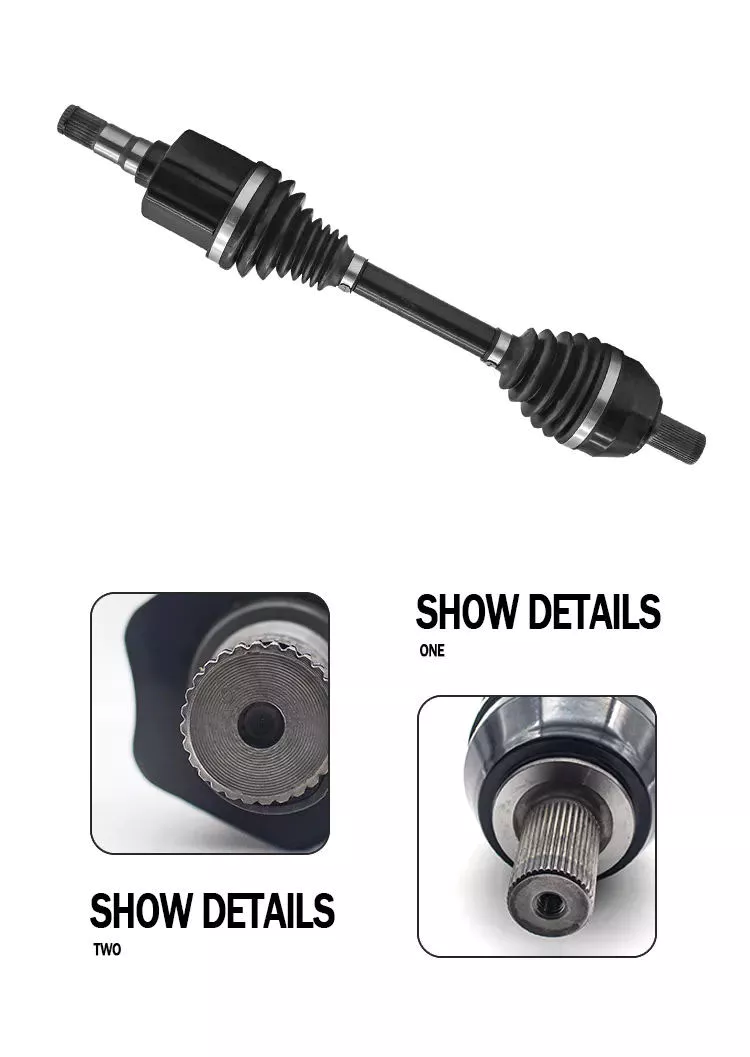
구동축과 관련된 제한 사항이나 단점이 있습니까?
구동축은 널리 사용되며 여러 장점을 제공하지만, 고려해야 할 몇 가지 한계와 단점도 있습니다. 구동축과 관련된 한계 및 단점에 대한 자세한 설명은 다음과 같습니다.
1. 길이 및 정렬 불량 제약 조건:
구동축은 재질 강도, 무게, 강성 유지 및 진동 최소화 등의 요인으로 인해 실질적인 최대 길이가 정해져 있습니다. 구동축이 길어지면 굽힘 및 비틀림 변형이 증가하여 효율이 저하되고 구동계통에 진동이 발생할 수 있습니다. 또한, 구동축은 구동부와 피구동부 사이의 정확한 정렬이 필수적입니다. 정렬이 어긋나면 마모, 진동이 증가하고 구동축 또는 관련 부품의 조기 고장이 발생할 수 있습니다.
2. 제한된 작동 각도:
구동축, 특히 유니버설 조인트(U-joint)를 사용하는 구동축은 작동 각도에 제한이 있습니다. 유니버설 조인트는 일반적으로 특정 각도 범위 내에서 작동하도록 설계되었으며, 이러한 한계를 벗어나 작동할 경우 효율 저하, 진동 증가 및 마모 가속화를 초래할 수 있습니다. 큰 작동 각도가 필요한 경우, 일정한 속도를 유지하고 더 큰 각도를 수용하기 위해 등속 조인트(CV joint)가 자주 사용됩니다. 그러나 등속 조인트는 유니버설 조인트에 비해 구조가 더 복잡하고 비용이 더 많이 들 수 있습니다.
3. 유지보수 요구사항:
구동축은 최적의 성능과 신뢰성을 보장하기 위해 정기적인 유지보수가 필요합니다. 여기에는 주기적인 점검, 연결부 윤활, 필요시 밸런싱 작업이 포함됩니다. 정기적인 유지보수를 소홀히 하면 마모, 진동이 증가하고 구동계통에 문제가 발생할 수 있습니다. 다양한 용도에 구동축을 사용할 때는 유지보수에 필요한 시간과 자원을 고려해야 합니다.
4. 소음 및 진동:
구동축은 특히 고속 주행 시 또는 특정 공진 주파수에서 작동할 때 소음과 진동을 발생시킬 수 있습니다. 불균형, 정렬 불량, 마모된 조인트 또는 기타 요인이 소음과 진동 증가에 영향을 미칠 수 있습니다. 이러한 진동은 차량 탑승자의 편안함을 저해하고 부품 피로를 증가시키며, 그 영향을 완화하기 위해 댐퍼 또는 진동 차단 시스템과 같은 추가 조치가 필요할 수 있습니다.
5. 무게 및 공간 제약 조건:
구동축은 전체 시스템의 무게를 증가시키므로 자동차나 항공우주 산업과 같이 무게에 민감한 분야에서는 중요한 고려 사항이 될 수 있습니다. 또한 구동축은 설치를 위한 물리적 공간을 필요로 합니다. 소형 장비나 차량의 경우, 필요한 구동축 길이와 여유 공간을 확보하는 것이 어려울 수 있으므로 신중한 설계 및 통합 고려가 필요합니다.
6. 비용 고려 사항:
구동축은 설계, 재질, 제조 공정에 따라 상당한 비용이 발생할 수 있습니다. 특정 장비 요구 사항에 맞춰 제작된 맞춤형 또는 특수 구동축은 더 높은 비용을 초래할 수 있습니다. 또한, CV 조인트와 같은 고급 연결 구조를 통합하면 구동축 시스템이 더욱 복잡해지고 비용이 증가할 수 있습니다.
7. 본질적인 전력 손실:
구동축은 구동원에서 피구동 부품으로 동력을 전달하지만, 마찰, 굽힘 및 기타 요인으로 인해 본질적인 동력 손실을 발생시킵니다. 이러한 동력 손실은 특히 긴 구동축이나 높은 토크가 요구되는 응용 분야에서 전체 시스템 효율을 저하시킬 수 있습니다. 따라서 적절한 구동축 설계 및 사양을 결정할 때는 동력 손실을 고려하는 것이 중요합니다.
8. 제한된 토크 용량:
구동축은 광범위한 토크 부하를 견딜 수 있지만, 토크 용량에는 한계가 있습니다. 구동축의 최대 토크 용량을 초과하면 조기 고장이 발생하여 가동 중단은 물론 다른 구동계 부품의 손상으로 이어질 수 있습니다. 따라서 사용 목적에 맞는 충분한 토크 용량을 갖춘 구동축을 선택하는 것이 매우 중요합니다.
이러한 한계와 단점에도 불구하고, 구동축은 다양한 산업 분야에서 널리 사용되는 효과적인 동력 전달 수단입니다. 제조업체들은 재료, 설계 기술, 연결부 구성 및 밸런싱 공정의 발전을 통해 이러한 한계를 극복하기 위해 끊임없이 노력하고 있습니다. 엔지니어와 설계자는 특정 적용 분야의 요구 사항과 잠재적인 단점을 신중하게 고려함으로써 구동축의 한계를 완화하고 각 시스템에서 구동축의 이점을 극대화할 수 있습니다.

Can you provide real-world examples of vehicles and machinery that use drive shafts?
Drive shafts are widely used in various vehicles and machinery to transmit power from the engine or power source to the wheels or driven components. Here are some real-world examples of vehicles and machinery that utilize drive shafts:
1. Automobiles:
Drive shafts are commonly found in automobiles, especially those with rear-wheel drive or four-wheel drive systems. In these vehicles, the drive shaft transfers power from the transmission or transfer case to the rear differential or front differential, respectively. This allows the engine’s power to be distributed to the wheels, propelling the vehicle forward.
2. Trucks and Commercial Vehicles:
Drive shafts are essential components in trucks and commercial vehicles. They are used to transfer power from the transmission or transfer case to the rear axle or multiple axles in the case of heavy-duty trucks. Drive shafts in commercial vehicles are designed to handle higher torque loads and are often larger and more robust than those used in passenger cars.
3. Construction and Earthmoving Equipment:
Various types of construction and earthmoving equipment, such as excavators, loaders, bulldozers, and graders, rely on drive shafts for power transmission. These machines typically have complex drivetrain systems that use drive shafts to transfer power from the engine to the wheels or tracks, enabling them to perform heavy-duty tasks on construction sites or in mining operations.
4. Agricultural Machinery:
Agricultural machinery, including tractors, combines, and harvesters, utilize drive shafts to transmit power from the engine to the wheels or driven components. Drive shafts in agricultural machinery are often subjected to demanding conditions and may have additional features such as telescopic sections to accommodate variable distances between components.
5. Industrial Machinery:
Industrial machinery, such as manufacturing equipment, generators, pumps, and compressors, often incorporate drive shafts in their power transmission systems. These drive shafts transfer power from electric motors, engines, or other power sources to various driven components, enabling the machinery to perform specific tasks in industrial settings.
6. Marine Vessels:
In marine applications, drive shafts are commonly used to transmit power from the engine to the propeller in boats, ships, and other watercraft. Marine drive shafts are typically longer and designed to withstand the unique challenges posed by water environments, including corrosion resistance and appropriate sealing mechanisms.
7. Recreational Vehicles (RVs) and Motorhomes:
RVs and motorhomes often employ drive shafts as part of their drivetrain systems. These drive shafts transfer power from the transmission to the rear axle, allowing the vehicle to move and providing propulsion. Drive shafts in RVs may have additional features such as dampers or vibration-reducing components to enhance comfort during travel.
8. Off-Road and Racing Vehicles:
Off-road vehicles, such as SUVs, trucks, and all-terrain vehicles (ATVs), as well as racing vehicles, frequently utilize drive shafts. These drive shafts are designed to withstand the rigors of off-road conditions or high-performance racing, transmitting power efficiently to the wheels and ensuring optimal traction and performance.
9. Railway Rolling Stock:
In railway systems, drive shafts are employed in locomotives and some types of rolling stock. They transfer power from the locomotive’s engine to the wheels or propulsion system, enabling the train to move along the tracks. Railway drive shafts are typically much longer and may have additional features to accommodate the articulated or flexible nature of some train configurations.
10. Wind Turbines:
Large-scale wind turbines used for generating electricity incorporate drive shafts in their power transmission systems. The drive shafts transfer rotational energy from the turbine’s blades to the generator, where it is converted into electrical power. Drive shafts in wind turbines are designed to handle the significant torque and rotational forces generated by the wind.
These examples demonstrate the broad range of vehicles and machinery that rely on drive shafts for efficient power transmission and propulsion. Drive shafts are essential components in various industries, enabling the transfer of power from the source to the driven components, ultimately facilitating movement, operation, or the performance of specific tasks.
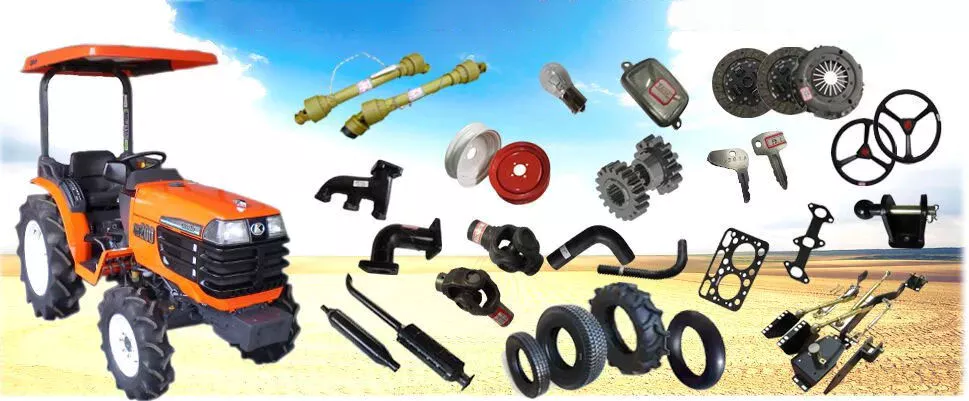
Are there variations in drive shaft designs for different types of machinery?
Yes, there are variations in drive shaft designs to cater to the specific requirements of different types of machinery. The design of a drive shaft is influenced by factors such as the application, power transmission needs, space limitations, operating conditions, and the type of driven components. Here’s an explanation of how drive shaft designs can vary for different types of machinery:
1. Automotive Applications:
In the automotive industry, drive shaft designs can vary depending on the vehicle’s configuration. Rear-wheel-drive vehicles typically use a single-piece or two-piece drive shaft, which connects the transmission or transfer case to the rear differential. Front-wheel-drive vehicles often use a different design, employing a drive shaft that combines with the constant velocity (CV) joints to transmit power to the front wheels. All-wheel-drive vehicles may have multiple drive shafts to distribute power to all wheels. The length, diameter, material, and joint types can differ based on the vehicle’s layout and torque requirements.
2. Industrial Machinery:
Drive shaft designs for industrial machinery depend on the specific application and power transmission requirements. In manufacturing machinery, such as conveyors, presses, and rotating equipment, drive shafts are designed to transfer power efficiently within the machine. They may incorporate flexible joints or use a splined or keyed connection to accommodate misalignment or allow for easy disassembly. The dimensions, materials, and reinforcement of the drive shaft are selected based on the torque, speed, and operating conditions of the machinery.
3. Agriculture and Farming:
Agricultural machinery, such as tractors, combines, and harvesters, often requires drive shafts that can handle high torque loads and varying operating angles. These drive shafts are designed to transmit power from the engine to attachments and implements, such as mowers, balers, tillers, and harvesters. They may incorporate telescopic sections to accommodate adjustable lengths, flexible joints to compensate for misalignment during operation, and protective shielding to prevent entanglement with crops or debris.
4. Construction and Heavy Equipment:
Construction and heavy equipment, including excavators, loaders, bulldozers, and cranes, require robust drive shaft designs capable of transmitting power in demanding conditions. These drive shafts often have larger diameters and thicker walls to handle high torque loads. They may incorporate universal joints or CV joints to accommodate operating angles and absorb shocks and vibrations. Drive shafts in this category may also have additional reinforcements to withstand the harsh environments and heavy-duty applications associated with construction and excavation.
5. Marine and Maritime Applications:
Drive shaft designs for marine applications are specifically engineered to withstand the corrosive effects of seawater and the high torque loads encountered in marine propulsion systems. Marine drive shafts are typically made from stainless steel or other corrosion-resistant materials. They may incorporate flexible couplings or dampening devices to reduce vibration and mitigate the effects of misalignment. The design of marine drive shafts also considers factors such as shaft length, diameter, and support bearings to ensure reliable power transmission in marine vessels.
6. Mining and Extraction Equipment:
In the mining industry, drive shafts are used in heavy machinery and equipment such as mining trucks, excavators, and drilling rigs. These drive shafts need to withstand extremely high torque loads and harsh operating conditions. Drive shaft designs for mining applications often feature larger diameters, thicker walls, and specialized materials such as alloy steel or composite materials. They may incorporate universal joints or CV joints to handle operating angles, and they are designed to be resistant to abrasion and wear.
These examples highlight the variations in drive shaft designs for different types of machinery. The design considerations take into account factors such as power requirements, operating conditions, space constraints, alignment needs, and the specific demands of the machinery or industry. By tailoring the drive shaft design to the unique requirements of each application, optimal power transmission efficiency and reliability can be achieved.


editor by CX 2024-03-28