제품 설명
제품 설명
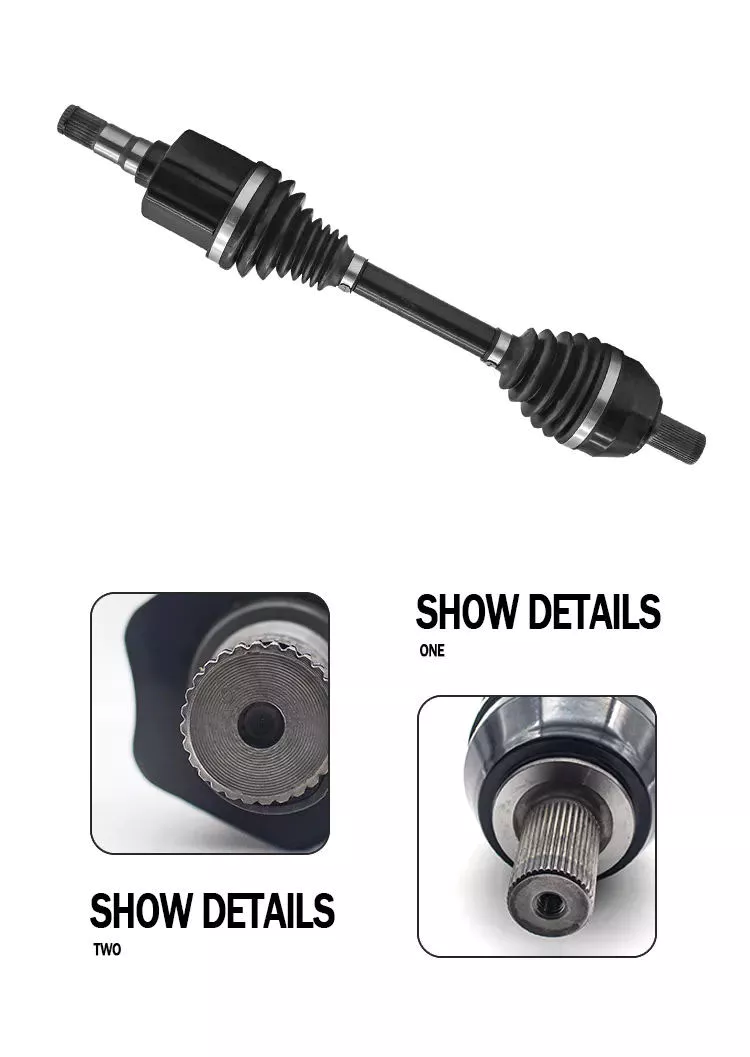
Drive Shaft for FS160 FS220 FS280 Grass Trimmer
| Name | Brush Cutter Drive Shaft |
| Fit Machine | Fit FS160 FS220 FS280 |
| Color | Silver |
| 재료 | Iron |
상세 사진
포장 및 배송
회사 소개
Customer Feedback
We Can do READY TO SHIP
1.24 HOURS SHIPPMENT
2.MIN. ORDER:1 PIECE
3.MORE THAN 10000 PARTS IN STOCK
자주 묻는 질문
1.WHAT IS YOUR WARRANTY TERM?
Our company offer 1% free spare parts to FCL order.There is a 12months warranty for our export products
from the date of the shipment.If warranty has run out,our customer should pay for the replacement parts.
2.IS THE SAMPLE AVAILABLE?
YES,Usually we send the samples by TNT,DHL,FEDEX or UPS,it will take around 3 days for our customers
to receive them,but customer will charge all cost related to the samples,such as sample cost and airmail
freight.We will refund our customer the sample cost after receiving its order
3.WHAT IS YOUR MOQ?
The minimum order amount should be at last USD5,000.00
4.CAN I USE MY OWN LOGO AND DESIGN ON PRODUCTS?
YES,OEM is welcomed
5.HOW LONG IS THE DELIVERY TIME?
A:2-7 days for the sample order
B:20-30 days for LCL or FCL order
About PARADISE
HangZhou Paradise Garden Tools Co., Ltd. is a global manufacturer in the outdoor power equipment parts industry Since 2013, Our Product Line covers most of the well- known O E M’s in the market. The replacement spare parts fits for chainsaw, brush cutter, earth auger, Sprayer, lawn mover, water pump, generator, High pressure washer, Compressor, Welding machine, Construction machine and other garden tools.
Paradise garden warehouse have more than 30000 pcs different parts in stock, can ship fast. The products are exported to more than 60 countries and regions including South Korea, Vietnam, India, Thailand, Russia, the United Kingdom, Canada, the United States, Brazil, Mexico, Ukraine. Besides offering great prices and product to the wholesale customer, we are also continuing to focus on the Small Business Owner. We continue to ship most orders within 1 business day and offer significant savings.
All Paradise products benefit from the latest technology in their design and manufacture, providing excellent ergonomics, outstanding performance, efficiency. engineered for durability and best cost performance. We continue to offer the same superior customer service that we did over 12 years ago and treat each order with the same utmost care and respect as we did with the very first order.
With production inspect system and development teams, Paradise are become 1 of the leader for garden tools spare parts supplier in China.
/* 2571년 3월 10일 17:59:20 */!function(){function s(e,r){var a,o={};try{e&&e.split(“,”).forEach(function(e,t){e&&(a=e.match(/(.*?):(.*)$/))&&1
| 인증: | CE |
|---|---|
| Power Source: | Gasoline |
| 유형: | Brush Cutter Spare Parts |
| Fit Model: | FS160 FS220 FS280 |
| Packing: | 1PC/Poly Bag |
| Feature: | Replacement Brush Cutter Parts |
| Samples: |
US$ 0/Piece
1 Piece(Min.Order) | |
|---|
| 맞춤 설정: |
사용 가능
| 맞춤형 요청 |
|---|
구동축과 관련된 제한 사항이나 단점이 있습니까?
구동축은 널리 사용되며 여러 장점을 제공하지만, 고려해야 할 몇 가지 한계와 단점도 있습니다. 구동축과 관련된 한계 및 단점에 대한 자세한 설명은 다음과 같습니다.
1. 길이 및 정렬 불량 제약 조건:
구동축은 재질 강도, 무게, 강성 유지 및 진동 최소화 등의 요인으로 인해 실질적인 최대 길이가 정해져 있습니다. 구동축이 길어지면 굽힘 및 비틀림 변형이 증가하여 효율이 저하되고 구동계통에 진동이 발생할 수 있습니다. 또한, 구동축은 구동부와 피구동부 사이의 정확한 정렬이 필수적입니다. 정렬이 어긋나면 마모, 진동이 증가하고 구동축 또는 관련 부품의 조기 고장이 발생할 수 있습니다.
2. 제한된 작동 각도:
구동축, 특히 유니버설 조인트(U-joint)를 사용하는 구동축은 작동 각도에 제한이 있습니다. 유니버설 조인트는 일반적으로 특정 각도 범위 내에서 작동하도록 설계되었으며, 이러한 한계를 벗어나 작동할 경우 효율 저하, 진동 증가 및 마모 가속화를 초래할 수 있습니다. 큰 작동 각도가 필요한 경우, 일정한 속도를 유지하고 더 큰 각도를 수용하기 위해 등속 조인트(CV joint)가 자주 사용됩니다. 그러나 등속 조인트는 유니버설 조인트에 비해 구조가 더 복잡하고 비용이 더 많이 들 수 있습니다.
3. 유지보수 요구사항:
구동축은 최적의 성능과 신뢰성을 보장하기 위해 정기적인 유지보수가 필요합니다. 여기에는 주기적인 점검, 연결부 윤활, 필요시 밸런싱 작업이 포함됩니다. 정기적인 유지보수를 소홀히 하면 마모, 진동이 증가하고 구동계통에 문제가 발생할 수 있습니다. 다양한 용도에 구동축을 사용할 때는 유지보수에 필요한 시간과 자원을 고려해야 합니다.
4. 소음 및 진동:
구동축은 특히 고속 주행 시 또는 특정 공진 주파수에서 작동할 때 소음과 진동을 발생시킬 수 있습니다. 불균형, 정렬 불량, 마모된 조인트 또는 기타 요인이 소음과 진동 증가에 영향을 미칠 수 있습니다. 이러한 진동은 차량 탑승자의 편안함을 저해하고 부품 피로를 증가시키며, 그 영향을 완화하기 위해 댐퍼 또는 진동 차단 시스템과 같은 추가 조치가 필요할 수 있습니다.
5. 무게 및 공간 제약 조건:
구동축은 전체 시스템의 무게를 증가시키므로 자동차나 항공우주 산업과 같이 무게에 민감한 분야에서는 중요한 고려 사항이 될 수 있습니다. 또한 구동축은 설치를 위한 물리적 공간을 필요로 합니다. 소형 장비나 차량의 경우, 필요한 구동축 길이와 여유 공간을 확보하는 것이 어려울 수 있으므로 신중한 설계 및 통합 고려가 필요합니다.
6. 비용 고려 사항:
구동축은 설계, 재질, 제조 공정에 따라 상당한 비용이 발생할 수 있습니다. 특정 장비 요구 사항에 맞춰 제작된 맞춤형 또는 특수 구동축은 더 높은 비용을 초래할 수 있습니다. 또한, CV 조인트와 같은 고급 연결 구조를 통합하면 구동축 시스템이 더욱 복잡해지고 비용이 증가할 수 있습니다.
7. 본질적인 전력 손실:
구동축은 구동원에서 피구동 부품으로 동력을 전달하지만, 마찰, 굽힘 및 기타 요인으로 인해 본질적인 동력 손실을 발생시킵니다. 이러한 동력 손실은 특히 긴 구동축이나 높은 토크가 요구되는 응용 분야에서 전체 시스템 효율을 저하시킬 수 있습니다. 따라서 적절한 구동축 설계 및 사양을 결정할 때는 동력 손실을 고려하는 것이 중요합니다.
8. 제한된 토크 용량:
구동축은 광범위한 토크 부하를 견딜 수 있지만, 토크 용량에는 한계가 있습니다. 구동축의 최대 토크 용량을 초과하면 조기 고장이 발생하여 가동 중단은 물론 다른 구동계 부품의 손상으로 이어질 수 있습니다. 따라서 사용 목적에 맞는 충분한 토크 용량을 갖춘 구동축을 선택하는 것이 매우 중요합니다.
이러한 한계와 단점에도 불구하고, 구동축은 다양한 산업 분야에서 널리 사용되는 효과적인 동력 전달 수단입니다. 제조업체들은 재료, 설계 기술, 연결부 구성 및 밸런싱 공정의 발전을 통해 이러한 한계를 극복하기 위해 끊임없이 노력하고 있습니다. 엔지니어와 설계자는 특정 적용 분야의 요구 사항과 잠재적인 단점을 신중하게 고려함으로써 구동축의 한계를 완화하고 각 시스템에서 구동축의 이점을 극대화할 수 있습니다.

What safety precautions should be followed when working with drive shafts?
Working with drive shafts requires adherence to specific safety precautions to prevent accidents, injuries, and damage to equipment. Drive shafts are critical components of a vehicle or machinery’s driveline system and can pose hazards if not handled properly. Here’s a detailed explanation of the safety precautions that should be followed when working with drive shafts:
1. Personal Protective Equipment (PPE):
Always wear appropriate personal protective equipment when working with drive shafts. This may include safety goggles, gloves, steel-toed boots, and protective clothing. PPE helps protect against potential injuries from flying debris, sharp edges, or accidental contact with moving parts.
2. Lockout/Tagout Procedures:
Before working on a drive shaft, ensure that the power source is properly locked out and tagged out. This involves isolating the power supply, such as shutting off the engine or disconnecting the electrical power, and securing it with a lockout/tagout device. This prevents accidental engagement of the drive shaft while maintenance or repair work is being performed.
3. Vehicle or Equipment Support:
When working with drive shafts in vehicles or equipment, use proper support mechanisms to prevent unexpected movement. Securely block the vehicle’s wheels or utilize support stands to prevent the vehicle from rolling or shifting during drive shaft removal or installation. This helps maintain stability and reduces the risk of accidents.
4. Proper Lifting Techniques:
When handling heavy drive shafts, use proper lifting techniques to prevent strain or injuries. Lift with the help of a suitable lifting device, such as a hoist or jack, and ensure that the load is evenly distributed and securely attached. Avoid lifting heavy drive shafts manually or with improper lifting equipment, as this can lead to accidents and injuries.
5. Inspection and Maintenance:
Prior to working on a drive shaft, thoroughly inspect it for any signs of damage, wear, or misalignment. If any abnormalities are detected, consult a qualified technician or engineer before proceeding. Regular maintenance is also essential to ensure the drive shaft is in good working condition. Follow the manufacturer’s recommended maintenance schedule and procedures to minimize the risk of failures or malfunctions.
6. Proper Tools and Equipment:
Use appropriate tools and equipment specifically designed for working with drive shafts. Improper tools or makeshift solutions can lead to accidents or damage to the drive shaft. Ensure that tools are in good condition, properly sized, and suitable for the task at hand. Follow the manufacturer’s instructions and guidelines when using specialized tools or equipment.
7. Controlled Release of Stored Energy:
Some drive shafts, particularly those with torsional dampers or other energy-storing components, can store energy even when the power source is disconnected. Exercise caution when working on such drive shafts and ensure that the stored energy is safely released before disassembly or removal.
8. Training and Expertise:
Work on drive shafts should only be performed by individuals with the necessary training, knowledge, and expertise. If you are not familiar with drive shafts or lack the required skills, seek assistance from qualified technicians or professionals. Improper handling or installation of drive shafts can lead to accidents, damage, or compromised performance.
9. Follow Manufacturer’s Guidelines:
Always follow the manufacturer’s guidelines, instructions, and warnings specific to the drive shaft you are working with. These guidelines provide important information regarding installation, maintenance, and safety considerations. Deviating from the manufacturer’s recommendations may result in unsafe conditions or void warranty coverage.
10. Disposal of Old or Damaged Drive Shafts:
Dispose of old or damaged drive shafts in accordance with local regulations and environmental guidelines. Improper disposal can have negative environmental impacts and may violate legal requirements. Consult with local waste management authorities or recycling centers to ensure appropriate disposal methods are followed.
By following these safety precautions, individuals can minimize the risks associated with working with drive shafts and promote a safe working environment. It is crucial to prioritize personal safety, use proper equipment and techniques, and seek professional help when needed to ensure the proper handling and maintenance of drive shafts.

How do drive shafts handle variations in length and torque requirements?
Drive shafts are designed to handle variations in length and torque requirements in order to efficiently transmit rotational power. Here’s an explanation of how drive shafts address these variations:
Length Variations:
Drive shafts are available in different lengths to accommodate varying distances between the engine or power source and the driven components. They can be custom-made or purchased in standardized lengths, depending on the specific application. In situations where the distance between the engine and the driven components is longer, multiple drive shafts with appropriate couplings or universal joints can be used to bridge the gap. These additional drive shafts effectively extend the overall length of the power transmission system.
Additionally, some drive shafts are designed with telescopic sections. These sections can be extended or retracted, allowing for adjustments in length to accommodate different vehicle configurations or dynamic movements. Telescopic drive shafts are commonly used in applications where the distance between the engine and the driven components may change, such as in certain types of trucks, buses, and off-road vehicles.
Torque Requirements:
Drive shafts are engineered to handle varying torque requirements based on the power output of the engine or power source and the demands of the driven components. The torque transmitted through the drive shaft depends on factors such as the engine power, load conditions, and the resistance encountered by the driven components.
Manufacturers consider torque requirements when selecting the appropriate materials and dimensions for drive shafts. Drive shafts are typically made from high-strength materials, such as steel or aluminum alloys, to withstand the torque loads without deformation or failure. The diameter, wall thickness, and design of the drive shaft are carefully calculated to ensure it can handle the expected torque without excessive deflection or vibration.
In applications with high torque demands, such as heavy-duty trucks, industrial machinery, or performance vehicles, drive shafts may have additional reinforcements. These reinforcements can include thicker walls, cross-sectional shapes optimized for strength, or composite materials with superior torque-handling capabilities.
Furthermore, drive shafts often incorporate flexible joints, such as universal joints or constant velocity (CV) joints. These joints allow for angular misalignment and compensate for variations in the operating angles between the engine, transmission, and driven components. They also help absorb vibrations and shocks, reducing stress on the drive shaft and enhancing its torque-handling capacity.
In summary, drive shafts handle variations in length and torque requirements through customizable lengths, telescopic sections, appropriate materials and dimensions, and the inclusion of flexible joints. By carefully considering these factors, drive shafts can efficiently and reliably transmit power while accommodating the specific needs of different applications.


editor by CX 2024-02-07