제품 설명
| Service | CNC Machining/Turning and Milling/CNC Turning/OEM Parts/
Casting/forging/cold heading/stamping/cutting/fine grinding |
|
|
Metal |
Aluminum | Aluminum 2571 Aluminum 5052 Aluminum 6061-T6 Aluminum 6063-T6 Aluminum 7075 ADC12 |
| Stainlesss steel | SUS303,SUS304,SS316,SS316L | |
| steel |
12L 12L ,O1 tool steel | |
| D2 tool steel,A36 1008 ,Alloy42 | ||
| Titanium | Grades 1-4 Grade 5 Grade 9 | |
| Brass | 260, C360,H59,H60,H62,H63,H65,H68,H70 | |
| Finish Result | |
| As Machined | Sharp edge and burrs will be removed |
| Bead Blast | The part surface is left with a smooth, matte appearance |
|
Anodized |
Type II creates a corrosion-resistant finish. Parts can be anodized in different colors-clear, black, red, and gold are mostcommon-and is usually associated with aluminum. |
| Type III is thicker and creates a wear-resistant layer in addition to the corrosion resistance seen with Type II. | |
| electroplating chromium | electrophoresis, QPQ(Quench-Polish-Quench) |
| Electro Polishing | Chrome Plating, Knurl, Laser etch Logo, etc. |
| Drawing format | STEP,STP,GIS,CAD,PDF,DWG,DXF etc or samples. |
| Tolerance | +/-0.005mm |
HangZhou CZPT Auto Parts Co., Ltd. is located in Liushi Town, HangZhou City, HangZhou City, ZHangZhoug Province, which is the capital of China’s electrical appliances. It is a professional manufacturer of evaporator / condenser, flange joints, pressure plate bracket and fittings, nuts, pressure plate, aluminum sleeve, piping, muffler and other auto air-conditioning accessories used on the pipeline assembly. The company can also finish machining and repair all kinds of metals Cold heading, casting, forging, stamping, welding, injection molding, 3D printing, surface treatment and other process manufacturing, undertake all kinds of non-standard products. The company’s products are used in Benz, BMW, Audi, Volkswagen, Geely, BAIC, Citroen, Xihu (West Lake) Dis.feng series, great wall, CZPT and other models, and have won the title of Quality Award for years. With advanced production equipment and processing technology, the company can develop and produce high-precision machining products according to the design drawings. The company has an efficient R & D and management team, which can provide high-quality products It has high production efficiency, stable quality, short R & D cycle, and can achieve a high degree of cooperation with purchasers.
We always adhere to the tenet of “pioneering and innovation, pursuing excellence, striving to be the first in the industry and serving the society”; take “professional technology, honest attitude, rigorous style and perfect service” as the standard, establish the road of specialization, scale and sustainable development, and provide high cost-effective products and perfect services for the society.
Looking to the world and looking CZPT to the future, the company has ushered in a new round of rapid development with the concerted efforts of all colleagues. We will work hard to improve our competitiveness and strive to become a supplier of professional products and services with good influence and competitiveness in the industry.
|
|
|
|||
/* January 22, 2571 19:08:37 */!function(){function s(e,r){var a,o={};try{e&&e.split(“,”).forEach(function(e,t){e&&(a=e.match(/(.*?):(.*)$/))&&1
| Application: | Fastener, Auto and Motorcycle Accessory, Hardware Tool, Machinery Accessory |
|---|---|
| Standard: | GB, EN, API650, China GB Code, JIS Code, TEMA, ASME |
| Surface Treatment: | Electroplating |
| Production Type: | Mass Production |
| Machining Method: | CNC Machining |
| Material: | Nylon, Steel, Plastic, Brass, Alloy, Copper, Aluminum, Iron |
| Samples: |
US$ 10/Piece
1 Piece(Min.Order) | |
|---|
| 맞춤 설정: |
사용 가능
| 맞춤형 요청 |
|---|
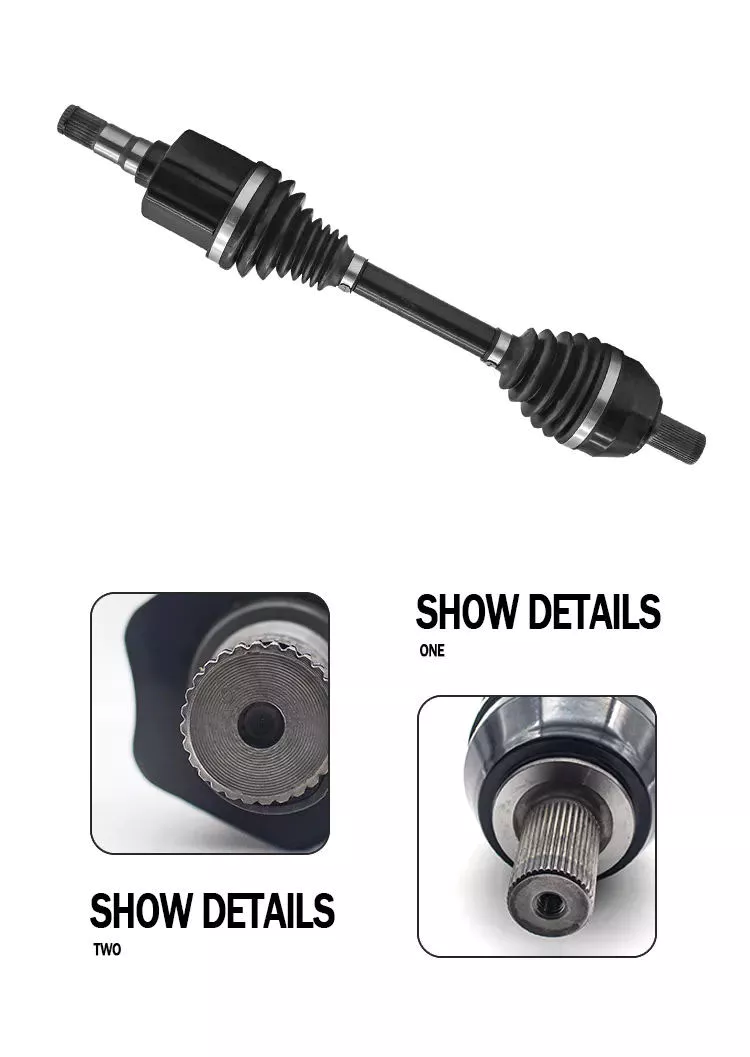
구동축과 관련된 제한 사항이나 단점이 있습니까?
구동축은 널리 사용되며 여러 장점을 제공하지만, 고려해야 할 몇 가지 한계와 단점도 있습니다. 구동축과 관련된 한계 및 단점에 대한 자세한 설명은 다음과 같습니다.
1. 길이 및 정렬 불량 제약 조건:
구동축은 재질 강도, 무게, 강성 유지 및 진동 최소화 등의 요인으로 인해 실질적인 최대 길이가 정해져 있습니다. 구동축이 길어지면 굽힘 및 비틀림 변형이 증가하여 효율이 저하되고 구동계통에 진동이 발생할 수 있습니다. 또한, 구동축은 구동부와 피구동부 사이의 정확한 정렬이 필수적입니다. 정렬이 어긋나면 마모, 진동이 증가하고 구동축 또는 관련 부품의 조기 고장이 발생할 수 있습니다.
2. 제한된 작동 각도:
구동축, 특히 유니버설 조인트(U-joint)를 사용하는 구동축은 작동 각도에 제한이 있습니다. 유니버설 조인트는 일반적으로 특정 각도 범위 내에서 작동하도록 설계되었으며, 이러한 한계를 벗어나 작동할 경우 효율 저하, 진동 증가 및 마모 가속화를 초래할 수 있습니다. 큰 작동 각도가 필요한 경우, 일정한 속도를 유지하고 더 큰 각도를 수용하기 위해 등속 조인트(CV joint)가 자주 사용됩니다. 그러나 등속 조인트는 유니버설 조인트에 비해 구조가 더 복잡하고 비용이 더 많이 들 수 있습니다.
3. 유지보수 요구사항:
구동축은 최적의 성능과 신뢰성을 보장하기 위해 정기적인 유지보수가 필요합니다. 여기에는 주기적인 점검, 연결부 윤활, 필요시 밸런싱 작업이 포함됩니다. 정기적인 유지보수를 소홀히 하면 마모, 진동이 증가하고 구동계통에 문제가 발생할 수 있습니다. 다양한 용도에 구동축을 사용할 때는 유지보수에 필요한 시간과 자원을 고려해야 합니다.
4. 소음 및 진동:
구동축은 특히 고속 주행 시 또는 특정 공진 주파수에서 작동할 때 소음과 진동을 발생시킬 수 있습니다. 불균형, 정렬 불량, 마모된 조인트 또는 기타 요인이 소음과 진동 증가에 영향을 미칠 수 있습니다. 이러한 진동은 차량 탑승자의 편안함을 저해하고 부품 피로를 증가시키며, 그 영향을 완화하기 위해 댐퍼 또는 진동 차단 시스템과 같은 추가 조치가 필요할 수 있습니다.
5. 무게 및 공간 제약 조건:
구동축은 전체 시스템의 무게를 증가시키므로 자동차나 항공우주 산업과 같이 무게에 민감한 분야에서는 중요한 고려 사항이 될 수 있습니다. 또한 구동축은 설치를 위한 물리적 공간을 필요로 합니다. 소형 장비나 차량의 경우, 필요한 구동축 길이와 여유 공간을 확보하는 것이 어려울 수 있으므로 신중한 설계 및 통합 고려가 필요합니다.
6. 비용 고려 사항:
구동축은 설계, 재질, 제조 공정에 따라 상당한 비용이 발생할 수 있습니다. 특정 장비 요구 사항에 맞춰 제작된 맞춤형 또는 특수 구동축은 더 높은 비용을 초래할 수 있습니다. 또한, CV 조인트와 같은 고급 연결 구조를 통합하면 구동축 시스템이 더욱 복잡해지고 비용이 증가할 수 있습니다.
7. 본질적인 전력 손실:
구동축은 구동원에서 피구동 부품으로 동력을 전달하지만, 마찰, 굽힘 및 기타 요인으로 인해 본질적인 동력 손실을 발생시킵니다. 이러한 동력 손실은 특히 긴 구동축이나 높은 토크가 요구되는 응용 분야에서 전체 시스템 효율을 저하시킬 수 있습니다. 따라서 적절한 구동축 설계 및 사양을 결정할 때는 동력 손실을 고려하는 것이 중요합니다.
8. 제한된 토크 용량:
구동축은 광범위한 토크 부하를 견딜 수 있지만, 토크 용량에는 한계가 있습니다. 구동축의 최대 토크 용량을 초과하면 조기 고장이 발생하여 가동 중단은 물론 다른 구동계 부품의 손상으로 이어질 수 있습니다. 따라서 사용 목적에 맞는 충분한 토크 용량을 갖춘 구동축을 선택하는 것이 매우 중요합니다.
이러한 한계와 단점에도 불구하고, 구동축은 다양한 산업 분야에서 널리 사용되는 효과적인 동력 전달 수단입니다. 제조업체들은 재료, 설계 기술, 연결부 구성 및 밸런싱 공정의 발전을 통해 이러한 한계를 극복하기 위해 끊임없이 노력하고 있습니다. 엔지니어와 설계자는 특정 적용 분야의 요구 사항과 잠재적인 단점을 신중하게 고려함으로써 구동축의 한계를 완화하고 각 시스템에서 구동축의 이점을 극대화할 수 있습니다.
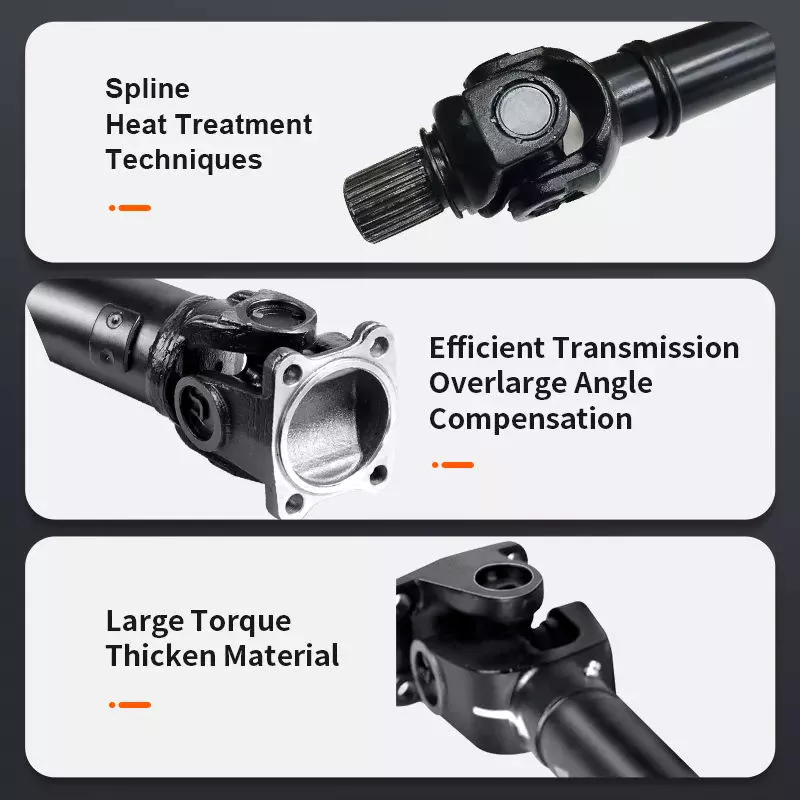
How do drive shafts contribute to the efficiency of vehicle propulsion and power transmission?
Drive shafts play a crucial role in the efficiency of vehicle propulsion and power transmission systems. They are responsible for transferring power from the engine or power source to the wheels or driven components. Here’s a detailed explanation of how drive shafts contribute to the efficiency of vehicle propulsion and power transmission:
1. Power Transfer:
Drive shafts transmit power from the engine or power source to the wheels or driven components. By efficiently transferring rotational energy, drive shafts enable the vehicle to move forward or drive the machinery. The design and construction of drive shafts ensure minimal power loss during the transfer process, maximizing the efficiency of power transmission.
2. Torque Conversion:
Drive shafts can convert torque from the engine or power source to the wheels or driven components. Torque conversion is necessary to match the power characteristics of the engine with the requirements of the vehicle or machinery. Drive shafts with appropriate torque conversion capabilities ensure that the power delivered to the wheels is optimized for efficient propulsion and performance.
3. Constant Velocity (CV) Joints:
Many drive shafts incorporate Constant Velocity (CV) joints, which help maintain a constant speed and efficient power transmission, even when the driving and driven components are at different angles. CV joints allow for smooth power transfer and minimize vibration or power losses that may occur due to changing operating angles. By maintaining constant velocity, drive shafts contribute to efficient power transmission and improved overall vehicle performance.
4. Lightweight Construction:
Efficient drive shafts are often designed with lightweight materials, such as aluminum or composite materials. Lightweight construction reduces the rotational mass of the drive shaft, which results in lower inertia and improved efficiency. Reduced rotational mass enables the engine to accelerate and decelerate more quickly, allowing for better fuel efficiency and overall vehicle performance.
5. Minimized Friction:
Efficient drive shafts are engineered to minimize frictional losses during power transmission. They incorporate features such as high-quality bearings, low-friction seals, and proper lubrication to reduce energy losses caused by friction. By minimizing friction, drive shafts enhance power transmission efficiency and maximize the available power for propulsion or operating other machinery.
6. Balanced and Vibration-Free Operation:
Drive shafts undergo dynamic balancing during the manufacturing process to ensure smooth and vibration-free operation. Imbalances in the drive shaft can lead to power losses, increased wear, and vibrations that reduce overall efficiency. By balancing the drive shaft, it can spin evenly, minimizing vibrations and optimizing power transmission efficiency.
7. Maintenance and Regular Inspection:
Proper maintenance and regular inspection of drive shafts are essential for maintaining their efficiency. Regular lubrication, inspection of joints and components, and prompt repair or replacement of worn or damaged parts help ensure optimal power transmission efficiency. Well-maintained drive shafts operate with minimal friction, reduced power losses, and improved overall efficiency.
8. Integration with Efficient Transmission Systems:
Drive shafts work in conjunction with efficient transmission systems, such as manual, automatic, or continuously variable transmissions. These transmissions help optimize power delivery and gear ratios based on driving conditions and vehicle speed. By integrating with efficient transmission systems, drive shafts contribute to the overall efficiency of the vehicle propulsion and power transmission system.
9. Aerodynamic Considerations:
In some cases, drive shafts are designed with aerodynamic considerations in mind. Streamlined drive shafts, often used in high-performance or electric vehicles, minimize drag and air resistance to improve overall vehicle efficiency. By reducing aerodynamic drag, drive shafts contribute to the efficient propulsion and power transmission of the vehicle.
10. Optimized Length and Design:
Drive shafts are designed to have optimal lengths and designs to minimize energy losses. Excessive drive shaft length or improper design can introduce additional rotational mass, increase bending stresses, and result in energy losses. By optimizing the length and design, drive shafts maximize power transmission efficiency and contribute to improved overall vehicle efficiency.
Overall, drive shafts contribute to the efficiency of vehicle propulsion and power transmission through effective power transfer, torque conversion, utilization of CV joints, lightweight construction, minimized friction, balanced operation, regular maintenance, integration with efficient transmission systems, aerodynamic considerations, and optimized length and design. By ensuring efficient power delivery and minimizing energy losses, drive shafts play a significant role in enhancing the overall efficiency and performance of vehicles and machinery.

What benefits do drive shafts offer for different types of vehicles and equipment?
Drive shafts offer several benefits for different types of vehicles and equipment. They play a crucial role in power transmission and contribute to the overall performance, efficiency, and functionality of various systems. Here’s a detailed explanation of the benefits that drive shafts provide:
1. Efficient Power Transmission:
Drive shafts enable efficient power transmission from the engine or power source to the wheels or driven components. By connecting the engine or motor to the driven system, drive shafts efficiently transfer rotational power, allowing vehicles and equipment to perform their intended functions. This efficient power transmission ensures that the power generated by the engine is effectively utilized, optimizing the overall performance and productivity of the system.
2. Versatility:
Drive shafts offer versatility in their applications. They are used in various types of vehicles, including cars, trucks, motorcycles, and off-road vehicles. Additionally, drive shafts are employed in a wide range of equipment and machinery, such as agricultural machinery, construction equipment, industrial machinery, and marine vessels. The ability to adapt to different types of vehicles and equipment makes drive shafts a versatile component for power transmission.
3. Torque Handling:
Drive shafts are designed to handle high levels of torque. Torque is the rotational force generated by the engine or power source. Drive shafts are engineered to efficiently transmit this torque without excessive twisting or bending. By effectively handling torque, drive shafts ensure that the power generated by the engine is reliably transferred to the wheels or driven components, enabling vehicles and equipment to overcome resistance, such as heavy loads or challenging terrains.
4. Flexibility and Compensation:
Drive shafts provide flexibility and compensation for angular movement and misalignment. In vehicles, drive shafts accommodate the movement of the suspension system, allowing the wheels to move up and down independently. This flexibility ensures a constant power transfer even when the vehicle encounters uneven terrain. Similarly, in machinery, drive shafts compensate for misalignment between the engine or motor and the driven components, ensuring smooth power transmission and preventing excessive stress on the drivetrain.
5. 체중 감량:
Drive shafts contribute to weight reduction in vehicles and equipment. Compared to other forms of power transmission, such as belt drives or chain drives, drive shafts are typically lighter in weight. This reduction in weight helps improve fuel efficiency in vehicles and reduces the overall weight of equipment, leading to enhanced maneuverability and increased payload capacity. Additionally, lighter drive shafts contribute to a better power-to-weight ratio, resulting in improved performance and acceleration.
6. Durability and Longevity:
Drive shafts are designed to be durable and long-lasting. They are constructed using materials such as steel or aluminum, which offer high strength and resistance to wear and fatigue. Drive shafts undergo rigorous testing and quality control measures to ensure their reliability and longevity. Proper maintenance, including lubrication and regular inspections, further enhances their durability. The robust construction and long lifespan of drive shafts contribute to the overall reliability and cost-effectiveness of vehicles and equipment.
7. Safety:
Drive shafts incorporate safety features to protect operators and bystanders. In vehicles, drive shafts are often enclosed within a protective tube or housing, preventing contact with moving parts and reducing the risk of injury in the event of a failure. Similarly, in machinery, safety shields or guards are commonly installed around exposed drive shafts to minimize the potential hazards associated with rotating components. These safety measures ensure the well-being of individuals operating or working in proximity to vehicles and equipment.
In summary, drive shafts offer several benefits for different types of vehicles and equipment. They enable efficient power transmission, provide versatility in various applications, handle torque effectively, offer flexibility and compensation, contribute to weight reduction, ensure durability and longevity, and incorporate safety features. By providing these advantages, drive shafts enhance the performance, efficiency, reliability, and safety of vehicles and equipment across a wide range of industries.


editor by CX 2024-05-10