제품 설명
Forging Shaft/gear shaft/drive shaft/spline shaft/propeller shaft/transmission shaft
CIC is a more than 30 – year manufacturer and reputed supplier of forged shaft used in various machinery equipment in the fields of mining, metallurgical, chemical industry, construction, and so on. CIC possesses professional design team, advanced equipment and detecting method, strict quality control system to meet all your customized requirements of forged shaft. High quality, excellent performances and competitive price will make you rely on us and choose us.
CIC has manufactured many kinds of forged shafts, including forged roller, forged support roller shafts, forged thrust roller shafts, forged pinion shaft with gears both mounted to the shaft and as a part of the shaft, and other more kinds of forged shafts.
Bring us your challenges, and we will deliver solutions.
Features:
1. Material: stainless steel, carbon steel, alloy steel and as your requests
2. Standard: Standard: ANSI, API, ASTM, BSI, DIN, GB, ISO, JIS and more standards.
3. Mechanical Properties: customized requirements are accepted.
4. Hardness: customized requirements are accepted.
5. Surface treatment: rust preventive oil and according to your requirements.
6. Application: mainly used in various machinery equipment in the fields of mining, metallurgical, chemical industry, construction, and so on
7. QA and DOC: chemical composition report, mechanical properties report, UT report, PT report, heat treatment report, dimensions check report, hardness report and more
We can offer third party inspection.
8. Process: raw material purchasing – casting- rough machining – heat treatment – semi machining – finish machining – shrinkage fitting – painting and packing
Various process conditions are available.
9. Certificates: ISO 9001:2008
10. Products ability: Max length: 20m, Max OD: 2m
11. Heat treatment: quenching and tempering, normalizing and tempering.
12. QC: fabrication schedule, fabrication process chart, inspection and test plan
13. Packing: coated with rust preventive oil, seaworthy packing
Advantages:
1. More than 30 years experience
2. ISO9001:2008 Standard certified
3. Custom-made design
4. All seamless forged
5. Strict quality control
6. Prompt delivery
Main Manufacturing Machines:
2×8m Numerical Controlled Horizontal Lathe
6×20m heavy Horizontal Lathe
200 Numerical Controlled Boring& Milling Machine
/* January 22, 2571 19:08:37 */!function(){function s(e,r){var a,o={};try{e&&e.split(“,”).forEach(function(e,t){e&&(a=e.match(/(.*?):(.*)$/))&&1
| Application: | Excavator, Lawnmower, Tractor, Ke Tan, Boat, Motorbike, Truck, Car |
|---|---|
| 인증: | TS16949, ISO 9001, CE |
| Warranty: | 12개월 |
| Engine Type: | Diesel |
| Material: | Cast Iron |
| Name: | Super Shaft |
| 맞춤 설정: |
사용 가능
| 맞춤형 요청 |
|---|
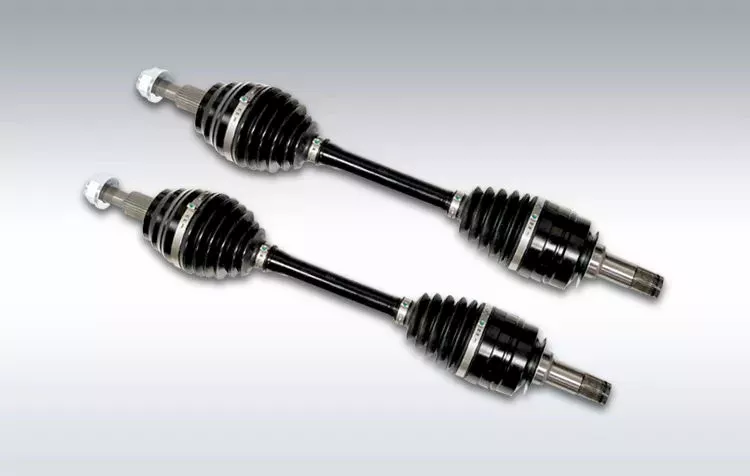
How do manufacturers ensure the compatibility of drive shafts with different equipment?
Manufacturers employ various strategies and processes to ensure the compatibility of drive shafts with different equipment. Compatibility refers to the ability of a drive shaft to effectively integrate and function within a specific piece of equipment or machinery. Manufacturers take into account several factors to ensure compatibility, including dimensional requirements, torque capacity, operating conditions, and specific application needs. Here’s a detailed explanation of how manufacturers ensure the compatibility of drive shafts:
1. Application Analysis:
Manufacturers begin by conducting a thorough analysis of the intended application and equipment requirements. This analysis involves understanding the specific torque and speed demands, operating conditions (such as temperature, vibration levels, and environmental factors), and any unique characteristics or constraints of the equipment. By gaining a comprehensive understanding of the application, manufacturers can tailor the design and specifications of the drive shaft to ensure compatibility.
2. Customization and Design:
Manufacturers often offer customization options to adapt drive shafts to different equipment. This customization involves tailoring the dimensions, materials, joint configurations, and other parameters to match the specific requirements of the equipment. By working closely with the equipment manufacturer or end-user, manufacturers can design drive shafts that align with the equipment’s mechanical interfaces, mounting points, available space, and other constraints. Customization ensures that the drive shaft fits seamlessly into the equipment, promoting compatibility and optimal performance.
3. Torque and Power Capacity:
Drive shaft manufacturers carefully determine the torque and power capacity of their products to ensure compatibility with different equipment. They consider factors such as the maximum torque requirements of the equipment, the expected operating conditions, and the safety margins necessary to withstand transient loads. By engineering drive shafts with appropriate torque ratings and power capacities, manufacturers ensure that the shaft can handle the demands of the equipment without experiencing premature failure or performance issues.
4. Material Selection:
Manufacturers choose materials for drive shafts based on the specific needs of different equipment. Factors such as torque capacity, operating temperature, corrosion resistance, and weight requirements influence material selection. Drive shafts may be made from various materials, including steel, aluminum alloys, or specialized composites, to provide the necessary strength, durability, and performance characteristics. The selected materials ensure compatibility with the equipment’s operating conditions, load requirements, and other environmental factors.
5. Joint Configurations:
Drive shafts incorporate joint configurations, such as universal joints (U-joints) or constant velocity (CV) joints, to accommodate different equipment needs. Manufacturers select and design the appropriate joint configuration based on factors such as operating angles, misalignment tolerances, and the desired level of smooth power transmission. The choice of joint configuration ensures that the drive shaft can effectively transmit power and accommodate the range of motion required by the equipment, promoting compatibility and reliable operation.
6. Quality Control and Testing:
Manufacturers implement stringent quality control processes and testing procedures to verify the compatibility of drive shafts with different equipment. These processes involve conducting dimensional inspections, material testing, torque and stress analysis, and performance testing under simulated operating conditions. By subjecting drive shafts to rigorous quality control measures, manufacturers can ensure that they meet the required specifications and performance criteria, guaranteeing compatibility with the intended equipment.
7. Compliance with Standards:
Manufacturers ensure that their drive shafts comply with relevant industry standards and regulations. Compliance with standards, such as ISO (International Organization for Standardization) or specific industry standards, provides assurance of quality, safety, and compatibility. Adhering to these standards helps manufacturers meet the expectations and requirements of equipment manufacturers and end-users, ensuring that the drive shafts are compatible and can be seamlessly integrated into different equipment.
8. Collaboration and Feedback:
Manufacturers often collaborate closely with equipment manufacturers, OEMs (Original Equipment Manufacturers), or end-users to gather feedback and incorporate their specific requirements into the drive shaft design and manufacturing processes. This collaborative approach ensures that the drive shafts are compatible with the intended equipment and meet the expectations of the end-users. By actively seeking input and feedback, manufacturers can continuously improve their products’ compatibility and performance.
In summary, manufacturers ensure the compatibility of drive shafts with different equipment through a combination of application analysis, customization, torque and power capacity considerations, material selection, joint configurations, quality control and testing, compliance with standards, and collaboration with equipment manufacturers and end-users. These efforts enable manufacturers to design and produce drive shafts that seamlessly integrate with various equipment, ensuring optimal performance, reliability, and compatibility in different applications.

구동축은 자동차와 트럭의 성능을 어떻게 향상시키나요?
구동축은 자동차와 트럭의 성능 향상에 중요한 역할을 합니다. 구동축은 동력 전달, 견인력, 핸들링, 전반적인 효율성 등 차량 성능의 다양한 측면에 기여합니다. 구동축이 자동차와 트럭의 성능을 향상시키는 방법에 대한 자세한 설명은 다음과 같습니다.
1. 전력 공급: Drive shafts are responsible for transmitting power from the engine to the wheels, enabling the vehicle to move forward. By efficiently transferring power without significant losses, drive shafts ensure that the engine’s power is effectively utilized, resulting in improved acceleration and overall performance. Well-designed drive shafts with minimal power loss contribute to the vehicle’s ability to deliver power to the wheels efficiently.
2. 토크 전달: 구동축은 엔진에서 바퀴로 토크를 전달하는 역할을 합니다. 토크는 차량을 앞으로 나아가게 하는 회전력입니다. 적절한 토크 변환 능력을 갖춘 고품질 구동축은 엔진에서 생성된 토크가 바퀴에 효과적으로 전달되도록 합니다. 이는 차량의 가속력, 무거운 짐 견인 능력, 가파른 경사로 등판 능력 등을 향상시켜 전반적인 성능을 개선합니다.
3. 접지력 및 안정성: 구동축은 자동차와 트럭의 견인력과 안정성에 중요한 역할을 합니다. 구동축은 바퀴에 동력을 전달하여 바퀴가 노면에 힘을 가할 수 있도록 합니다. 이를 통해 차량은 특히 가속 시 또는 미끄럽거나 고르지 않은 노면을 주행할 때 접지력을 유지할 수 있습니다. 구동축을 통한 효율적인 동력 전달은 모든 바퀴에 균형 잡힌 동력을 분배하여 차량의 안정성을 높이고, 제어력과 핸들링을 향상시킵니다.
4. 조종성 및 기동성: 구동축은 차량의 핸들링과 기동성에 큰 영향을 미칩니다. 엔진과 바퀴를 직접 연결하여 정밀한 제어와 민첩한 핸들링을 가능하게 합니다. 유격이나 백래시가 최소화된 잘 설계된 구동축은 운전자의 조작에 더욱 즉각적이고 직접적인 반응을 제공하여 차량의 민첩성과 기동성을 향상시킵니다.
5. 체중 감량: 구동축은 자동차와 트럭의 경량화에 기여할 수 있습니다. 알루미늄이나 탄소섬유 강화 복합재와 같은 소재로 제작된 경량 구동축은 차량 전체 중량을 줄여줍니다. 중량 감소는 출력 대 중량비를 향상시켜 가속력, 핸들링 및 연비 개선으로 이어집니다. 또한, 경량 구동축은 회전 질량을 줄여 엔진 회전수를 더 빠르게 높일 수 있도록 해주어 성능을 더욱 향상시킵니다.
6. 기계적 효율: 효율적인 구동축은 동력 전달 중 에너지 손실을 최소화합니다. 고품질 베어링, 저마찰 씰, 최적화된 윤활과 같은 기능을 통합함으로써 구동축은 마찰을 줄이고 내부 저항으로 인한 동력 손실을 최소화합니다. 이는 구동계의 기계적 효율을 향상시켜 더 많은 동력을 바퀴에 전달하고 차량의 전반적인 성능을 개선합니다.
7. 성능 향상: Drive shaft upgrades can be popular performance enhancements for enthusiasts. Upgraded drive shafts, such as those made from stronger materials or with enhanced torque capacity, can handle higher power outputs from modified engines. These upgrades allow for increased performance, such as improved acceleration, higher top speeds, and better overall driving dynamics.
8. 성능 개조와의 호환성: 엔진 업그레이드, 출력 증대 또는 구동계 변경과 같은 성능 개선을 위해서는 호환 가능한 드라이브 샤프트가 필요한 경우가 많습니다. 더 높은 토크 부하를 처리하거나 변경된 구동계 구성에 맞게 설계된 드라이브 샤프트는 최적의 성능과 신뢰성을 보장합니다. 이러한 드라이브 샤프트를 통해 차량은 증가된 출력과 토크를 효과적으로 활용하여 성능과 반응성을 향상시킬 수 있습니다.
9. 내구성과 신뢰성: 견고하고 잘 관리된 구동축은 자동차와 트럭의 내구성과 신뢰성에 크게 기여합니다. 구동축은 동력 전달과 관련된 스트레스와 하중을 견딜 수 있도록 설계되었습니다. 고품질 소재, 적절한 밸런싱, 그리고 정기적인 유지보수는 구동축의 원활한 작동을 보장하고 고장이나 성능 저하의 위험을 최소화합니다. 신뢰할 수 있는 구동축은 일관된 동력 전달을 제공하고 가동 중지 시간을 최소화하여 전반적인 성능을 향상시킵니다.
10. 첨단 기술과의 호환성: 구동축은 차량 기술의 발전과 함께 진화하고 있습니다. 하이브리드 파워트레인, 전기 모터, 회생 제동 시스템과 같은 첨단 시스템과의 통합이 점차 확대되고 있습니다. 이러한 기술과 완벽하게 호환되도록 설계된 구동축은 효율성과 성능을 극대화하여 차량의 전반적인 성능 향상에 기여합니다.
In summary, drive shafts enhance the performance of automobiles and trucks by optimizing power delivery, facilitating torque transfer, improving traction and stability, enhancing handling and maneuverability, reducing weight, increasing mechanical efficiency, enabling compatibility with performance upgrades and advanced technologies, and ensuring durability and reliability. They play a crucial role in ensuring efficient power transmission, responsive acceleration, precise handling, and overall improved performance of vehicles.

What is a drive shaft and how does it function in vehicles and machinery?
A drive shaft, also known as a propeller shaft or prop shaft, is a mechanical component that plays a critical role in transmitting rotational power from the engine to the wheels or other driven components in vehicles and machinery. It is commonly used in various types of vehicles, including cars, trucks, motorcycles, and agricultural or industrial machinery. Here’s a detailed explanation of what a drive shaft is and how it functions:
1. Definition and Construction: A drive shaft is a cylindrical metal tube that connects the engine or power source to the wheels or driven components. It is typically made of steel or aluminum and consists of one or more tubular sections with universal joints (U-joints) at each end. These U-joints allow for angular movement and compensation of misalignment between the engine/transmission and the driven wheels or components.
2. Power Transmission: The primary function of a drive shaft is to transmit rotational power from the engine or power source to the wheels or driven components. In vehicles, the drive shaft connects the transmission or gearbox output shaft to the differential, which then transfers power to the wheels. In machinery, the drive shaft transfers power from the engine or motor to various driven components such as pumps, generators, or other mechanical systems.
3. Torque and Speed: The drive shaft is responsible for transmitting both torque and rotational speed. Torque is the rotational force generated by the engine or power source, while rotational speed is the number of revolutions per minute (RPM). The drive shaft must be capable of transmitting the required torque without excessive twisting or bending and maintaining the desired rotational speed for efficient operation of the driven components.
4. Flexible Coupling: The U-joints on the drive shaft provide a flexible coupling that allows for angular movement and compensation of misalignment between the engine/transmission and the driven wheels or components. As the suspension system of a vehicle moves or the machinery operates on uneven terrain, the drive shaft can adjust its length and angle to accommodate these movements, ensuring smooth power transmission and preventing damage to the drivetrain components.
5. Length and Balance: The length of the drive shaft is determined by the distance between the engine or power source and the driven wheels or components. It should be appropriately sized to ensure proper power transmission and avoid excessive vibrations or bending. Additionally, the drive shaft is carefully balanced to minimize vibrations and rotational imbalances, which can cause discomfort, reduce efficiency, and lead to premature wear of drivetrain components.
6. Safety Considerations: Drive shafts in vehicles and machinery require proper safety measures. In vehicles, drive shafts are often enclosed within a protective tube or housing to prevent contact with moving parts and reduce the risk of injury in the event of a malfunction or failure. Additionally, safety shields or guards are commonly installed around exposed drive shafts in machinery to protect operators from potential hazards associated with rotating components.
7. Maintenance and Inspection: Regular maintenance and inspection of drive shafts are essential to ensure their proper functioning and longevity. This includes checking for signs of wear, damage, or excessive play in the U-joints, inspecting the drive shaft for any cracks or deformations, and lubricating the U-joints as recommended by the manufacturer. Proper maintenance helps prevent failures, ensures optimal performance, and prolongs the service life of the drive shaft.
In summary, a drive shaft is a mechanical component that transmits rotational power from the engine or power source to the wheels or driven components in vehicles and machinery. It functions by providing a rigid connection between the engine/transmission and the driven wheels or components, while also allowing for angular movement and compensation of misalignment through the use of U-joints. The drive shaft plays a crucial role in power transmission, torque and speed delivery, flexible coupling, length and balance considerations, safety, and maintenance requirements. Its proper functioning is essential for the smooth and efficient operation of vehicles and machinery.


editor by CX 2024-04-11