제품 설명
제품 설명
Complete products, one-stop purchasing, saving your cost and time.
Inventory advantage, stable supply, short delivery time.
High-quality original, made in China, there are more many parts are in stock.
Install and test the products in Chinese market first, to ensure the quality.
Specifications
| Mounting Type | Hydro Bearing |
| Dimension | OEM Standard |
| 재료 | Steel Elastomer |
| Weight | 2Kg |
상세 사진
회사 소개
About BBmart Auto Parts
Since establishment in 2005, BBmart Auto Parts has achieved in becoming 1 of the most trust-worthy automobile replacement parts distributors in the industry with Good Credibility, offering our customers a “One stop Shop” experience and constantly ensuring that we place our customers’ needs at the forefront, offering them Good service.We are not only renowned for our professionalism and comprehensive range of replacement products, but also offer our customers a competitive position with our Fair Price. Our manufacturers have passed and acquired various International certifications on safety and quality such as CAPA, Thatcham, E-Mark, SAE, ISO 9000/1, ISO 9002, TS 16949 MQVP and the SABS, thereby assuring Good Quality – Parts you can trust.
Good Credibility
Good Service
Good Quality
Fair Price
These define the way we work and allowed us to be professional to earn and build trust with our customers and suppliers. This trust fortifies our business relationships as partners and has created a CZPT situation for the clients.
Our products have been sold over the world. Our diversified replacement product lines cover the Automotive Lamps, Automotive Body Parts, Suspension Parts, Electric Parts, Engine Parts and Accessories.
BBmart endeavours to understand and precisely respond to our customer’s diverse needs. Our vision is to be “The prime distributor for automotive replacement parts in China.” We are committed to work diligently to deliver best service, high quality and cost-effective products to our customers.
자주 묻는 질문
Q1.How many years have your company dealt in autoparts?
A: We have been founded for 16 years now.
Q2. What is your company major products?
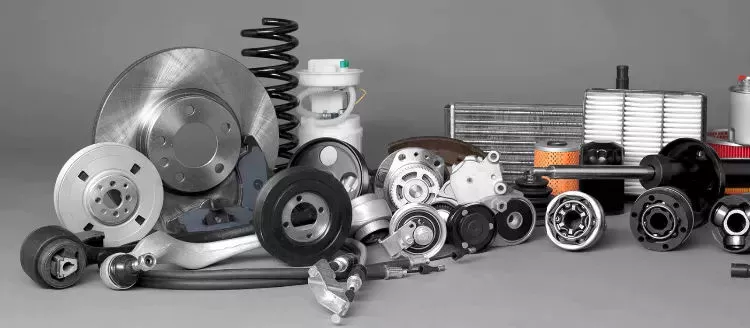
A: Our main products are Spark Plug, Brake Pad, Oil Fiter. Fuel Filter, Air Fiter, Engine Belt, Shock Absorber, Control Arm, Ball
Joint, Tie Rod End, Stabilizer Link Rod, Wheel Hub Bearing, C.v.joint, Car Light, ect.
Q3. Are you a factory or trading company?
A: We are Manufacturing and Trading and Supply Chain company.
Q4. What is the MOQ?
A: Normally we can supply any quantity if we have stock.
Q5. What is the delivery date?
A: It takes 5-7 days if there is stock, but takes about 30 days if there is no stock.
/* 2571년 3월 10일 17:59:20 */!function(){function s(e,r){var a,o={};try{e&&e.split(“,”).forEach(function(e,t){e&&(a=e.match(/(.*?):(.*)$/))&&1
| 판매 후 서비스: | 2 Years Warranty |
|---|---|
| 상태: | 새로운 |
| 색상: | 검은색 |
| 샘플: |
US$ 80/Piece
1개 (최소 주문 수량) | Order Sample |
|---|
| 맞춤 설정: |
사용 가능
| 맞춤형 요청 |
|---|
.shipping-cost-tm .tm-status-off{background: none;padding:0;color: #1470cc}
| Shipping Cost:
Estimated freight per unit. |
about shipping cost and estimated delivery time. |
|---|
| Payment Method: |
|
|---|---|
|
Initial Payment Full Payment |
| Currency: | US$ |
|---|
| Return&refunds: | You can apply for a refund up to 30 days after receipt of the products. |
|---|
Can drive shafts be adapted for use in both automotive and industrial settings?
Yes, drive shafts can be adapted for use in both automotive and industrial settings. While there may be some differences in design and specifications based on the specific application requirements, the fundamental principles and functions of drive shafts remain applicable in both contexts. Here’s a detailed explanation:
1. Power Transmission:
Drive shafts serve the primary purpose of transmitting rotational power from a power source, such as an engine or motor, to driven components, which can be wheels, machinery, or other mechanical systems. This fundamental function applies to both automotive and industrial settings. Whether it’s delivering power to the wheels of a vehicle or transferring torque to industrial machinery, the basic principle of power transmission remains the same for drive shafts in both contexts.
2. Design Considerations:
While there may be variations in design based on specific applications, the core design considerations for drive shafts are similar in both automotive and industrial settings. Factors such as torque requirements, operating speeds, length, and material selection are taken into account in both cases. Automotive drive shafts are typically designed to accommodate the dynamic nature of vehicle operation, including variations in speed, angles, and suspension movement. Industrial drive shafts, on the other hand, may be designed for specific machinery and equipment, taking into consideration factors such as load capacity, operating conditions, and alignment requirements. However, the underlying principles of ensuring proper dimensions, strength, and balance are essential in both automotive and industrial drive shaft designs.
3. Material Selection:
The material selection for drive shafts is influenced by the specific requirements of the application, whether in automotive or industrial settings. In automotive applications, drive shafts are commonly made from materials such as steel or aluminum alloys, chosen for their strength, durability, and ability to withstand varying operating conditions. In industrial settings, drive shafts may be made from a broader range of materials, including steel, stainless steel, or even specialized alloys, depending on factors such as load capacity, corrosion resistance, or temperature tolerance. The material selection is tailored to meet the specific needs of the application while ensuring efficient power transfer and durability.
4. Joint Configurations:
Both automotive and industrial drive shafts may incorporate various joint configurations to accommodate the specific requirements of the application. Universal joints (U-joints) are commonly used in both contexts to allow for angular movement and compensate for misalignment between the drive shaft and driven components. Constant velocity (CV) joints are also utilized, particularly in automotive drive shafts, to maintain a constant velocity of rotation and accommodate varying operating angles. These joint configurations are adapted and optimized based on the specific needs of automotive or industrial applications.
5. Maintenance and Service:
While maintenance practices may vary between automotive and industrial settings, the importance of regular inspection, lubrication, and balancing remains crucial in both cases. Both automotive and industrial drive shafts benefit from periodic maintenance to ensure optimal performance, identify potential issues, and prolong the lifespan of the drive shafts. Lubrication of joints, inspection for wear or damage, and balancing procedures are common maintenance tasks for drive shafts in both automotive and industrial applications.
6. Customization and Adaptation:
Drive shafts can be customized and adapted to meet the specific requirements of various automotive and industrial applications. Manufacturers often offer drive shafts with different lengths, diameters, and joint configurations to accommodate a wide range of vehicles or machinery. This flexibility allows for the adaptation of drive shafts to suit the specific torque, speed, and dimensional requirements of different applications, whether in automotive or industrial settings.
In summary, drive shafts can be adapted for use in both automotive and industrial settings by considering the specific requirements of each application. While there may be variations in design, materials, joint configurations, and maintenance practices, the fundamental principles of power transmission, design considerations, and customization options remain applicable in both contexts. Drive shafts play a crucial role in both automotive and industrial applications, enabling efficient power transfer and reliable operation in a wide range of mechanical systems.

How do drive shafts handle variations in load and vibration during operation?
Drive shafts are designed to handle variations in load and vibration during operation by employing various mechanisms and features. These mechanisms help ensure smooth power transmission, minimize vibrations, and maintain the structural integrity of the drive shaft. Here’s a detailed explanation of how drive shafts handle load and vibration variations:
1. Material Selection and Design:
Drive shafts are typically made from materials with high strength and stiffness, such as steel alloys or composite materials. The material selection and design take into account the anticipated loads and operating conditions of the application. By using appropriate materials and optimizing the design, drive shafts can withstand the expected variations in load without experiencing excessive deflection or deformation.
2. Torque Capacity:
Drive shafts are designed with a specific torque capacity that corresponds to the expected loads. The torque capacity takes into account factors such as the power output of the driving source and the torque requirements of the driven components. By selecting a drive shaft with sufficient torque capacity, variations in load can be accommodated without exceeding the drive shaft’s limits and risking failure or damage.
3. Dynamic Balancing:
During the manufacturing process, drive shafts can undergo dynamic balancing. Imbalances in the drive shaft can result in vibrations during operation. Through the balancing process, weights are strategically added or removed to ensure that the drive shaft spins evenly and minimizes vibrations. Dynamic balancing helps to mitigate the effects of load variations and reduces the potential for excessive vibrations in the drive shaft.
4. Dampers and Vibration Control:
Drive shafts can incorporate dampers or vibration control mechanisms to further minimize vibrations. These devices are typically designed to absorb or dissipate vibrations that may arise from load variations or other factors. Dampers can be in the form of torsional dampers, rubber isolators, or other vibration-absorbing elements strategically placed along the drive shaft. By managing and attenuating vibrations, drive shafts ensure smooth operation and enhance overall system performance.
5. CV Joints:
Constant Velocity (CV) joints are often used in drive shafts to accommodate variations in operating angles and to maintain a constant speed. CV joints allow the drive shaft to transmit power even when the driving and driven components are at different angles. By accommodating variations in operating angles, CV joints help minimize the impact of load variations and reduce potential vibrations that may arise from changes in the driveline geometry.
6. Lubrication and Maintenance:
Proper lubrication and regular maintenance are essential for drive shafts to handle load and vibration variations effectively. Lubrication helps reduce friction between moving parts, minimizing wear and heat generation. Regular maintenance, including inspection and lubrication of joints, ensures that the drive shaft remains in optimal condition, reducing the risk of failure or performance degradation due to load variations.
7. Structural Rigidity:
Drive shafts are designed to have sufficient structural rigidity to resist bending and torsional forces. This rigidity helps maintain the integrity of the drive shaft when subjected to load variations. By minimizing deflection and maintaining structural integrity, the drive shaft can effectively transmit power and handle variations in load without compromising performance or introducing excessive vibrations.
8. Control Systems and Feedback:
In some applications, drive shafts may be equipped with control systems that actively monitor and adjust parameters such as torque, speed, and vibration. These control systems use sensors and feedback mechanisms to detect variations in load or vibrations and make real-time adjustments to optimize performance. By actively managing load variations and vibrations, drive shafts can adapt to changing operating conditions and maintain smooth operation.
In summary, drive shafts handle variations in load and vibration during operation through careful material selection and design, torque capacity considerations, dynamic balancing, integration of dampers and vibration control mechanisms, utilization of CV joints, proper lubrication and maintenance, structural rigidity, and, in some cases, control systems and feedback mechanisms. By incorporating these features and mechanisms, drive shafts ensure reliable and efficient power transmission while minimizing the impact of load variations and vibrations on overall system performance.

구동축의 종류와 각각의 구체적인 용도를 설명해 주시겠습니까?
구동축은 다양한 종류가 있으며, 각각 특정 용도와 요구 사항에 맞게 설계되었습니다. 구동축 선택은 차량 또는 장비의 종류, 동력 전달 요구 사항, 공간 제약 및 작동 조건과 같은 요소에 따라 달라집니다. 다음은 다양한 구동축 유형과 각각의 특정 용도에 대한 설명입니다.
1. 솔리드 샤프트:
일체형 구동축 또는 솔리드 스틸 구동축이라고도 하는 솔리드 샤프트는 엔진이나 동력원에서 구동 부품까지 연결되는 하나의 끊어지지 않은 축입니다. 단순하고 견고한 설계로 다양한 분야에서 사용됩니다. 솔리드 샤프트는 일반적으로 후륜구동 차량에서 변속기에서 후륜 차축으로 동력을 전달하는 데 사용됩니다. 또한 펌프, 발전기, 컨베이어와 같이 직선적이고 견고한 동력 전달이 필요한 산업 기계에도 사용됩니다.
2. 튜브형 샤프트:
튜브형 샤프트(또는 중공 샤프트)는 원통형 튜브 구조를 가진 구동축입니다. 내부가 비어 있어 일반적으로 솔리드 샤프트보다 가볍습니다. 튜브형 샤프트는 무게 감소, 비틀림 강성 향상, 진동 감쇠 효과 증대 등의 이점을 제공합니다. 자동차, 트럭, 오토바이 등 다양한 차량은 물론 산업 장비 및 기계에도 사용됩니다. 튜브형 구동축은 전륜구동 차량에서 변속기와 앞바퀴를 연결하는 데 주로 사용됩니다.
3. 등속축(CV 샤프트):
등속축(CV 샤프트)은 엔진/변속기와 구동 부품 사이의 각도 움직임을 처리하고 일정한 속도를 유지하도록 특별히 설계되었습니다. 양 끝에 CV 조인트가 있어 유연성을 제공하고 각도 변화를 보정합니다. CV 샤프트는 전륜구동 및 사륜구동 차량뿐만 아니라 오프로드 차량 및 일부 중장비에도 일반적으로 사용됩니다. CV 조인트는 바퀴가 회전하거나 서스펜션이 움직일 때에도 부드러운 동력 전달을 가능하게 하여 진동을 줄이고 전반적인 성능을 향상시킵니다.
4. 슬립 조인트 샤프트:
슬립 조인트 샤프트(텔레스코픽 샤프트라고도 함)는 서로 슬라이딩 가능한 두 개 이상의 관형 부분으로 구성됩니다. 이러한 설계 덕분에 엔진/변속기와 구동 부품 사이의 거리 변화에 맞춰 길이를 조절할 수 있습니다. 슬립 조인트 샤프트는 트럭, 버스, 레저용 차량과 같이 휠베이스가 길거나 서스펜션 조절 장치가 있는 차량에 주로 사용됩니다. 길이 조절의 유연성을 제공함으로써 슬립 조인트 샤프트는 차량 섀시의 움직임이나 서스펜션 형상 변화에도 불구하고 일정한 동력 전달을 보장합니다.
5. 이중 카르단 샤프트:
더블 카르단 샤프트(더블 유니버설 조인트 샤프트라고도 함)는 두 개의 유니버설 조인트를 통합한 구동축의 한 종류입니다. 이러한 구조는 진동을 줄이고 조인트의 작동 각도를 최소화하여 더욱 원활한 동력 전달을 가능하게 합니다. 더블 카르단 샤프트는 트럭, 오프로드 차량, 농기계와 같은 중장비에 널리 사용됩니다. 특히 높은 토크와 큰 작동 각도가 요구되는 용도에 적합하며, 내구성과 성능을 향상시켜 줍니다.
6. 복합 샤프트:
복합 소재로 제작된 드라이브 샤프트는 탄소 섬유나 유리 섬유와 같은 복합 재료로 만들어져 무게 감소, 강도 향상, 내식성 등의 장점을 제공합니다. 복합 소재 드라이브 샤프트는 무게 감소와 출력 대 중량비 향상이 중요한 고성능 차량, 스포츠카, 레이싱 분야에 점점 더 많이 사용되고 있습니다. 복합 소재 구조는 강성과 감쇠 특성을 정밀하게 조절할 수 있게 하여 차량의 주행 성능과 구동계 효율을 향상시킵니다.
7. PTO 샤프트:
동력인출축(PTO)은 농업 기계 및 특정 산업 장비에 사용되는 특수 구동축입니다. 엔진 또는 동력원에서 잔디 깎는 기계, 베일러, 펌프와 같은 다양한 부착 장치로 동력을 전달하도록 설계되었습니다. PTO 축은 일반적으로 한쪽 끝에는 동력원에 연결되는 스플라인 연결부가 있고, 다른 쪽 끝에는 각도 운동을 수용하는 유니버설 조인트가 있습니다. PTO 축은 높은 토크를 전달하는 능력과 다양한 구동 장치와의 호환성이 특징입니다.
8. 해양 샤프트:
프로펠러 샤프트 또는 테일 샤프트라고도 불리는 해양용 샤프트는 선박에 특화되어 설계되었습니다. 엔진에서 프로펠러로 동력을 전달하여 선박을 추진하는 역할을 합니다. 해양용 샤프트는 일반적으로 길이가 길고, 물, 부식, 높은 토크 부하 등 가혹한 환경에서 작동합니다. 따라서 스테인리스강이나 기타 내식성 재질로 제작되며, 해양 환경에서 발생하는 까다로운 조건을 견딜 수 있도록 설계되었습니다.
구동축의 구체적인 적용 분야는 차량 또는 장비 제조업체와 특정 설계 및 엔지니어링 요구 사항에 따라 다를 수 있다는 점에 유의해야 합니다. 위에 제시된 예시는 각 구동축 유형의 일반적인 적용 분야를 보여주지만, 특정 산업 요구 사항 및 기술 발전에 따라 추가적인 변형 및 특수 설계가 있을 수 있습니다.


editor by CX 2024-01-15