제품 설명
제품 설명
| 재료 | Aluminium Alloy,Carbon Steel,Stainless steel,Copper,Brass,Nylon,Plastic(Customized Material) |
| Producing Equipment | 3 Axis,4 Axis,5 Axis CNC Machines,Automatic Lathe Machines,Stamping Machines,CNC Milling machines,CNC Turning Machines,Turning Milling Compound Machines,Grinding Machines,Rolling Machines,Laser Machines. |
| Surface Treatment | Anodizing,Polishing,Electroplating,Heat Treatment,Spray Paint,Sand Blasting. |
| Testing Equipment | Salt Spray Test, Hardness Tester, Coating Thickness Tester, Two Dimensions Measuring Instrument. |
| Quality Testing | 100% Quality Inspection Before Shipment. |
| Lead Time | Generally, The Delivery Date Is 7-15 Days,Delivery Time of Bulk Order Is More Than 15 days. |
| Tolerance and Roughness | Size Tolerance:+/-0.005 – 0.01mm,Roughness: Ra0.2 – Ra3.2 (Custom Size Requirements) |
| Cargo Shipment | Express(DHL,Fedex,UPS, TNT ),Air shipment+Local Express Delivery,Ocean Shipment. |
| Main Markets | America, Europe, Australia, Asia. |
| Payment Type | T/T, L/C, Paypal,Western Union,Others. |
포장 및 배송
회사 소개
HangZhou Fuyouda Technology Co., Ltd. Was established in city known as the “world factory”-HangZhou. We are factory and have many kinds of machine, such as 5-axis CNC machines, lath machines, turning milling compound machines. After 10 years of R&D, production and sales, we have 80% market share in the field of 3D printer parts in China and we are specializing in CNC machinig for 10 years. We are committed to creating a work and production environment that is above the industry average. We adopt scientific production management methods to improve production efficiency and reduce production costs. Please believe and choose us! We adhere to the management principles of “Quality First, Customer first and Credit-based” since the establishment of the company and always do our best to satisfy potential needs of our customers. Our company is sincerely willing to cooperate with enterprises from all over the world in order to realize a CZPT situation since the trend of economic globalization has developed with anirresistible force.
Our Advantages
자주 묻는 질문
| Application: | Machinery Accessory |
|---|---|
| Standard: | GB, EN |
| Surface Treatment: | Polishing |
| Production Type: | Mass Production |
| Machining Method: | CNC Turning |
| Material: | Stainless Steel |
| Samples: |
US$ 2.8/Piece
1 Piece(Min.Order) | |
|---|
| 맞춤 설정: |
사용 가능
| 맞춤형 요청 |
|---|
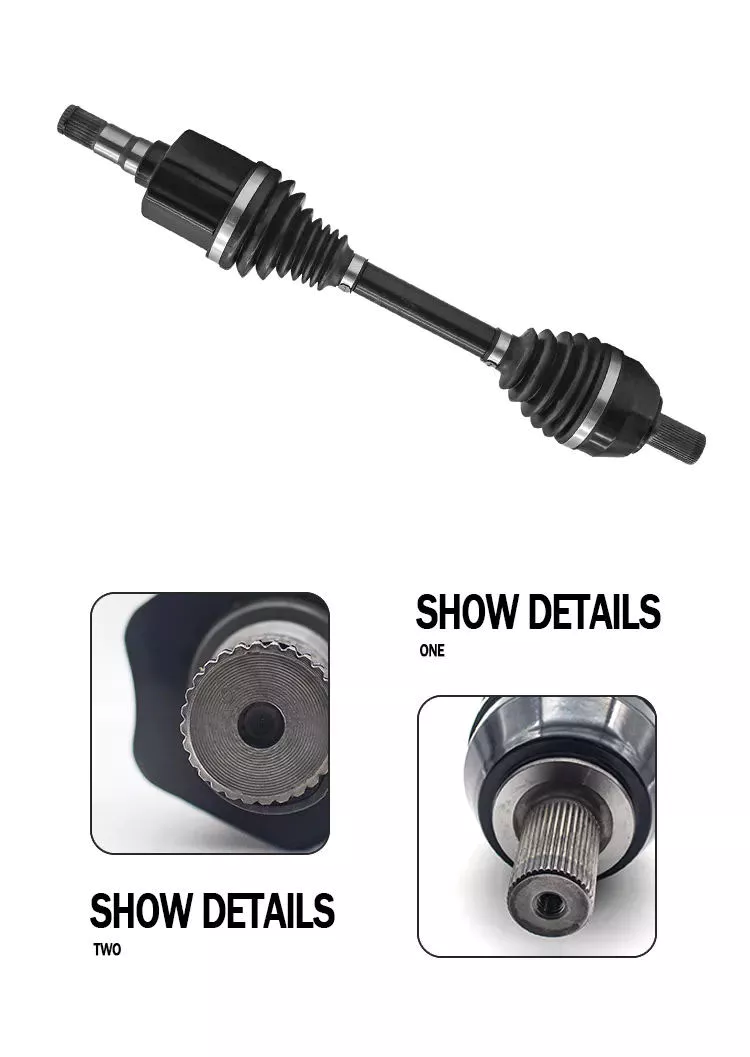
구동축과 관련된 제한 사항이나 단점이 있습니까?
구동축은 널리 사용되며 여러 장점을 제공하지만, 고려해야 할 몇 가지 한계와 단점도 있습니다. 구동축과 관련된 한계 및 단점에 대한 자세한 설명은 다음과 같습니다.
1. 길이 및 정렬 불량 제약 조건:
구동축은 재질 강도, 무게, 강성 유지 및 진동 최소화 등의 요인으로 인해 실질적인 최대 길이가 정해져 있습니다. 구동축이 길어지면 굽힘 및 비틀림 변형이 증가하여 효율이 저하되고 구동계통에 진동이 발생할 수 있습니다. 또한, 구동축은 구동부와 피구동부 사이의 정확한 정렬이 필수적입니다. 정렬이 어긋나면 마모, 진동이 증가하고 구동축 또는 관련 부품의 조기 고장이 발생할 수 있습니다.
2. 제한된 작동 각도:
구동축, 특히 유니버설 조인트(U-joint)를 사용하는 구동축은 작동 각도에 제한이 있습니다. 유니버설 조인트는 일반적으로 특정 각도 범위 내에서 작동하도록 설계되었으며, 이러한 한계를 벗어나 작동할 경우 효율 저하, 진동 증가 및 마모 가속화를 초래할 수 있습니다. 큰 작동 각도가 필요한 경우, 일정한 속도를 유지하고 더 큰 각도를 수용하기 위해 등속 조인트(CV joint)가 자주 사용됩니다. 그러나 등속 조인트는 유니버설 조인트에 비해 구조가 더 복잡하고 비용이 더 많이 들 수 있습니다.
3. 유지보수 요구사항:
구동축은 최적의 성능과 신뢰성을 보장하기 위해 정기적인 유지보수가 필요합니다. 여기에는 주기적인 점검, 연결부 윤활, 필요시 밸런싱 작업이 포함됩니다. 정기적인 유지보수를 소홀히 하면 마모, 진동이 증가하고 구동계통에 문제가 발생할 수 있습니다. 다양한 용도에 구동축을 사용할 때는 유지보수에 필요한 시간과 자원을 고려해야 합니다.
4. 소음 및 진동:
구동축은 특히 고속 주행 시 또는 특정 공진 주파수에서 작동할 때 소음과 진동을 발생시킬 수 있습니다. 불균형, 정렬 불량, 마모된 조인트 또는 기타 요인이 소음과 진동 증가에 영향을 미칠 수 있습니다. 이러한 진동은 차량 탑승자의 편안함을 저해하고 부품 피로를 증가시키며, 그 영향을 완화하기 위해 댐퍼 또는 진동 차단 시스템과 같은 추가 조치가 필요할 수 있습니다.
5. 무게 및 공간 제약 조건:
구동축은 전체 시스템의 무게를 증가시키므로 자동차나 항공우주 산업과 같이 무게에 민감한 분야에서는 중요한 고려 사항이 될 수 있습니다. 또한 구동축은 설치를 위한 물리적 공간을 필요로 합니다. 소형 장비나 차량의 경우, 필요한 구동축 길이와 여유 공간을 확보하는 것이 어려울 수 있으므로 신중한 설계 및 통합 고려가 필요합니다.
6. 비용 고려 사항:
구동축은 설계, 재질, 제조 공정에 따라 상당한 비용이 발생할 수 있습니다. 특정 장비 요구 사항에 맞춰 제작된 맞춤형 또는 특수 구동축은 더 높은 비용을 초래할 수 있습니다. 또한, CV 조인트와 같은 고급 연결 구조를 통합하면 구동축 시스템이 더욱 복잡해지고 비용이 증가할 수 있습니다.
7. 본질적인 전력 손실:
구동축은 구동원에서 피구동 부품으로 동력을 전달하지만, 마찰, 굽힘 및 기타 요인으로 인해 본질적인 동력 손실을 발생시킵니다. 이러한 동력 손실은 특히 긴 구동축이나 높은 토크가 요구되는 응용 분야에서 전체 시스템 효율을 저하시킬 수 있습니다. 따라서 적절한 구동축 설계 및 사양을 결정할 때는 동력 손실을 고려하는 것이 중요합니다.
8. 제한된 토크 용량:
구동축은 광범위한 토크 부하를 견딜 수 있지만, 토크 용량에는 한계가 있습니다. 구동축의 최대 토크 용량을 초과하면 조기 고장이 발생하여 가동 중단은 물론 다른 구동계 부품의 손상으로 이어질 수 있습니다. 따라서 사용 목적에 맞는 충분한 토크 용량을 갖춘 구동축을 선택하는 것이 매우 중요합니다.
이러한 한계와 단점에도 불구하고, 구동축은 다양한 산업 분야에서 널리 사용되는 효과적인 동력 전달 수단입니다. 제조업체들은 재료, 설계 기술, 연결부 구성 및 밸런싱 공정의 발전을 통해 이러한 한계를 극복하기 위해 끊임없이 노력하고 있습니다. 엔지니어와 설계자는 특정 적용 분야의 요구 사항과 잠재적인 단점을 신중하게 고려함으로써 구동축의 한계를 완화하고 각 시스템에서 구동축의 이점을 극대화할 수 있습니다.
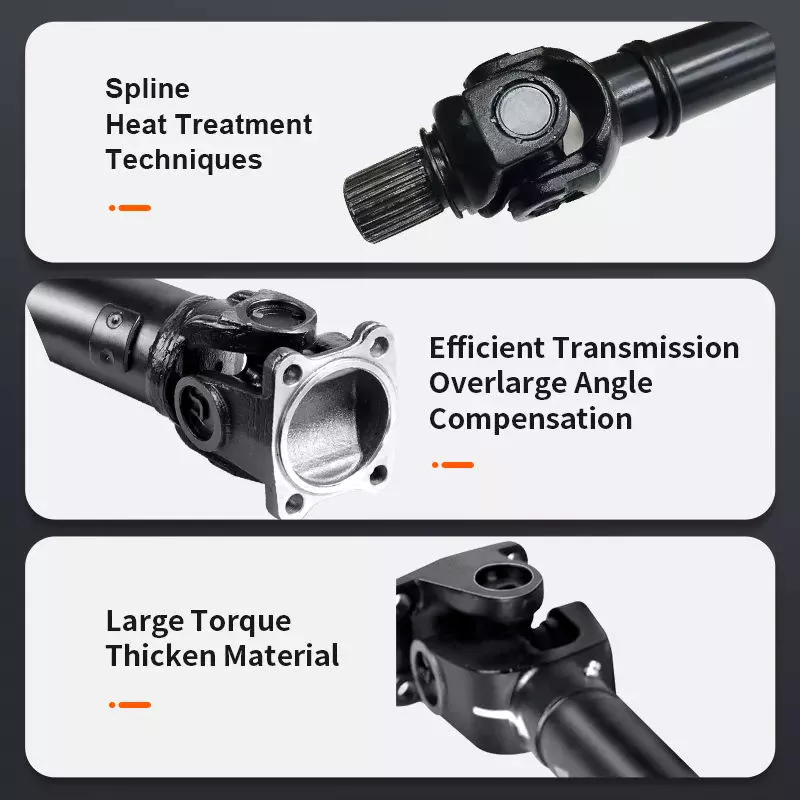
How do drive shafts contribute to the efficiency of vehicle propulsion and power transmission?
Drive shafts play a crucial role in the efficiency of vehicle propulsion and power transmission systems. They are responsible for transferring power from the engine or power source to the wheels or driven components. Here’s a detailed explanation of how drive shafts contribute to the efficiency of vehicle propulsion and power transmission:
1. Power Transfer:
Drive shafts transmit power from the engine or power source to the wheels or driven components. By efficiently transferring rotational energy, drive shafts enable the vehicle to move forward or drive the machinery. The design and construction of drive shafts ensure minimal power loss during the transfer process, maximizing the efficiency of power transmission.
2. Torque Conversion:
Drive shafts can convert torque from the engine or power source to the wheels or driven components. Torque conversion is necessary to match the power characteristics of the engine with the requirements of the vehicle or machinery. Drive shafts with appropriate torque conversion capabilities ensure that the power delivered to the wheels is optimized for efficient propulsion and performance.
3. Constant Velocity (CV) Joints:
Many drive shafts incorporate Constant Velocity (CV) joints, which help maintain a constant speed and efficient power transmission, even when the driving and driven components are at different angles. CV joints allow for smooth power transfer and minimize vibration or power losses that may occur due to changing operating angles. By maintaining constant velocity, drive shafts contribute to efficient power transmission and improved overall vehicle performance.
4. Lightweight Construction:
Efficient drive shafts are often designed with lightweight materials, such as aluminum or composite materials. Lightweight construction reduces the rotational mass of the drive shaft, which results in lower inertia and improved efficiency. Reduced rotational mass enables the engine to accelerate and decelerate more quickly, allowing for better fuel efficiency and overall vehicle performance.
5. Minimized Friction:
Efficient drive shafts are engineered to minimize frictional losses during power transmission. They incorporate features such as high-quality bearings, low-friction seals, and proper lubrication to reduce energy losses caused by friction. By minimizing friction, drive shafts enhance power transmission efficiency and maximize the available power for propulsion or operating other machinery.
6. Balanced and Vibration-Free Operation:
Drive shafts undergo dynamic balancing during the manufacturing process to ensure smooth and vibration-free operation. Imbalances in the drive shaft can lead to power losses, increased wear, and vibrations that reduce overall efficiency. By balancing the drive shaft, it can spin evenly, minimizing vibrations and optimizing power transmission efficiency.
7. Maintenance and Regular Inspection:
Proper maintenance and regular inspection of drive shafts are essential for maintaining their efficiency. Regular lubrication, inspection of joints and components, and prompt repair or replacement of worn or damaged parts help ensure optimal power transmission efficiency. Well-maintained drive shafts operate with minimal friction, reduced power losses, and improved overall efficiency.
8. Integration with Efficient Transmission Systems:
Drive shafts work in conjunction with efficient transmission systems, such as manual, automatic, or continuously variable transmissions. These transmissions help optimize power delivery and gear ratios based on driving conditions and vehicle speed. By integrating with efficient transmission systems, drive shafts contribute to the overall efficiency of the vehicle propulsion and power transmission system.
9. Aerodynamic Considerations:
In some cases, drive shafts are designed with aerodynamic considerations in mind. Streamlined drive shafts, often used in high-performance or electric vehicles, minimize drag and air resistance to improve overall vehicle efficiency. By reducing aerodynamic drag, drive shafts contribute to the efficient propulsion and power transmission of the vehicle.
10. Optimized Length and Design:
Drive shafts are designed to have optimal lengths and designs to minimize energy losses. Excessive drive shaft length or improper design can introduce additional rotational mass, increase bending stresses, and result in energy losses. By optimizing the length and design, drive shafts maximize power transmission efficiency and contribute to improved overall vehicle efficiency.
Overall, drive shafts contribute to the efficiency of vehicle propulsion and power transmission through effective power transfer, torque conversion, utilization of CV joints, lightweight construction, minimized friction, balanced operation, regular maintenance, integration with efficient transmission systems, aerodynamic considerations, and optimized length and design. By ensuring efficient power delivery and minimizing energy losses, drive shafts play a significant role in enhancing the overall efficiency and performance of vehicles and machinery.

구동축의 종류와 각각의 구체적인 용도를 설명해 주시겠습니까?
구동축은 다양한 종류가 있으며, 각각 특정 용도와 요구 사항에 맞게 설계되었습니다. 구동축 선택은 차량 또는 장비의 종류, 동력 전달 요구 사항, 공간 제약 및 작동 조건과 같은 요소에 따라 달라집니다. 다음은 다양한 구동축 유형과 각각의 특정 용도에 대한 설명입니다.
1. 솔리드 샤프트:
일체형 구동축 또는 솔리드 스틸 구동축이라고도 하는 솔리드 샤프트는 엔진이나 동력원에서 구동 부품까지 연결되는 하나의 끊어지지 않은 축입니다. 단순하고 견고한 설계로 다양한 분야에서 사용됩니다. 솔리드 샤프트는 일반적으로 후륜구동 차량에서 변속기에서 후륜 차축으로 동력을 전달하는 데 사용됩니다. 또한 펌프, 발전기, 컨베이어와 같이 직선적이고 견고한 동력 전달이 필요한 산업 기계에도 사용됩니다.
2. 튜브형 샤프트:
튜브형 샤프트(또는 중공 샤프트)는 원통형 튜브 구조를 가진 구동축입니다. 내부가 비어 있어 일반적으로 솔리드 샤프트보다 가볍습니다. 튜브형 샤프트는 무게 감소, 비틀림 강성 향상, 진동 감쇠 효과 증대 등의 이점을 제공합니다. 자동차, 트럭, 오토바이 등 다양한 차량은 물론 산업 장비 및 기계에도 사용됩니다. 튜브형 구동축은 전륜구동 차량에서 변속기와 앞바퀴를 연결하는 데 주로 사용됩니다.
3. 등속축(CV 샤프트):
등속축(CV 샤프트)은 엔진/변속기와 구동 부품 사이의 각도 움직임을 처리하고 일정한 속도를 유지하도록 특별히 설계되었습니다. 양 끝에 CV 조인트가 있어 유연성을 제공하고 각도 변화를 보정합니다. CV 샤프트는 전륜구동 및 사륜구동 차량뿐만 아니라 오프로드 차량 및 일부 중장비에도 일반적으로 사용됩니다. CV 조인트는 바퀴가 회전하거나 서스펜션이 움직일 때에도 부드러운 동력 전달을 가능하게 하여 진동을 줄이고 전반적인 성능을 향상시킵니다.
4. 슬립 조인트 샤프트:
슬립 조인트 샤프트(텔레스코픽 샤프트라고도 함)는 서로 슬라이딩 가능한 두 개 이상의 관형 부분으로 구성됩니다. 이러한 설계 덕분에 엔진/변속기와 구동 부품 사이의 거리 변화에 맞춰 길이를 조절할 수 있습니다. 슬립 조인트 샤프트는 트럭, 버스, 레저용 차량과 같이 휠베이스가 길거나 서스펜션 조절 장치가 있는 차량에 주로 사용됩니다. 길이 조절의 유연성을 제공함으로써 슬립 조인트 샤프트는 차량 섀시의 움직임이나 서스펜션 형상 변화에도 불구하고 일정한 동력 전달을 보장합니다.
5. 이중 카르단 샤프트:
더블 카르단 샤프트(더블 유니버설 조인트 샤프트라고도 함)는 두 개의 유니버설 조인트를 통합한 구동축의 한 종류입니다. 이러한 구조는 진동을 줄이고 조인트의 작동 각도를 최소화하여 더욱 원활한 동력 전달을 가능하게 합니다. 더블 카르단 샤프트는 트럭, 오프로드 차량, 농기계와 같은 중장비에 널리 사용됩니다. 특히 높은 토크와 큰 작동 각도가 요구되는 용도에 적합하며, 내구성과 성능을 향상시켜 줍니다.
6. 복합 샤프트:
복합 소재로 제작된 드라이브 샤프트는 탄소 섬유나 유리 섬유와 같은 복합 재료로 만들어져 무게 감소, 강도 향상, 내식성 등의 장점을 제공합니다. 복합 소재 드라이브 샤프트는 무게 감소와 출력 대 중량비 향상이 중요한 고성능 차량, 스포츠카, 레이싱 분야에 점점 더 많이 사용되고 있습니다. 복합 소재 구조는 강성과 감쇠 특성을 정밀하게 조절할 수 있게 하여 차량의 주행 성능과 구동계 효율을 향상시킵니다.
7. PTO 샤프트:
동력인출축(PTO)은 농업 기계 및 특정 산업 장비에 사용되는 특수 구동축입니다. 엔진 또는 동력원에서 잔디 깎는 기계, 베일러, 펌프와 같은 다양한 부착 장치로 동력을 전달하도록 설계되었습니다. PTO 축은 일반적으로 한쪽 끝에는 동력원에 연결되는 스플라인 연결부가 있고, 다른 쪽 끝에는 각도 운동을 수용하는 유니버설 조인트가 있습니다. PTO 축은 높은 토크를 전달하는 능력과 다양한 구동 장치와의 호환성이 특징입니다.
8. 해양 샤프트:
프로펠러 샤프트 또는 테일 샤프트라고도 불리는 해양용 샤프트는 선박에 특화되어 설계되었습니다. 엔진에서 프로펠러로 동력을 전달하여 선박을 추진하는 역할을 합니다. 해양용 샤프트는 일반적으로 길이가 길고, 물, 부식, 높은 토크 부하 등 가혹한 환경에서 작동합니다. 따라서 스테인리스강이나 기타 내식성 재질로 제작되며, 해양 환경에서 발생하는 까다로운 조건을 견딜 수 있도록 설계되었습니다.
구동축의 구체적인 적용 분야는 차량 또는 장비 제조업체와 특정 설계 및 엔지니어링 요구 사항에 따라 다를 수 있다는 점에 유의해야 합니다. 위에 제시된 예시는 각 구동축 유형의 일반적인 적용 분야를 보여주지만, 특정 산업 요구 사항 및 기술 발전에 따라 추가적인 변형 및 특수 설계가 있을 수 있습니다.


editor by CX 2023-11-20