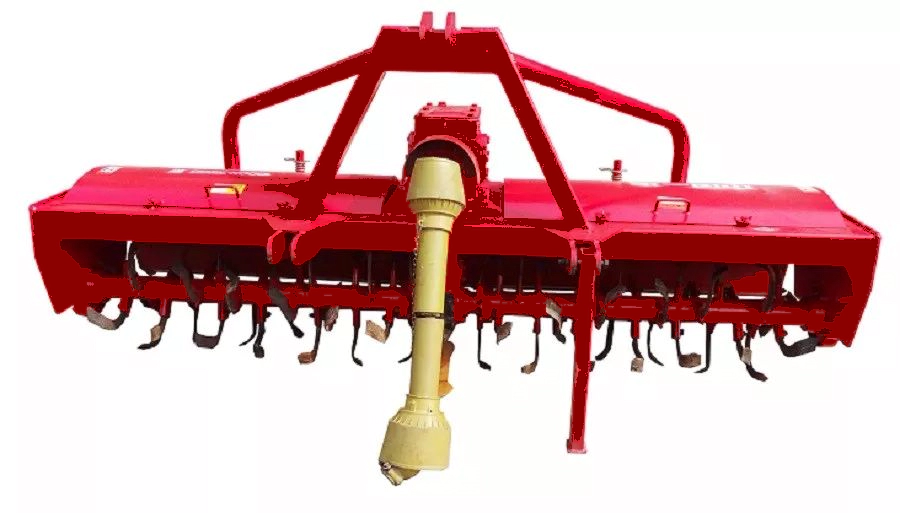
Studio sul campo delle condizioni operative estreme nel Queensland (diario di bordo dell'ingegnere)
"Durante i nostri 15 anni di diagnosi di guasti alla trasmissione nelle zone di orticoltura intensiva di Bundaberg, nel Queensland, abbiamo individuato una modalità di guasto critica: gli alberi cardanici convenzionali che azionavano seminatrici pneumatiche per carote a 12 file, di tipo pesante, subivano ripetutamente la rottura dei cuscinetti a rullini del perno trasversale. La causa principale era l'enorme carico d'urto inerziale generato durante l'innesto istantaneo della turbina a vuoto ad alta capacità della seminatrice."
Sulla base di queste analisi di casi di produzione decennali, EVER-POWER ha completamente riprogettato l'architettura del giunto e della frizione per questo specifico profilo di attrezzo. Abbiamo integrato una frizione a ruota libera specializzata accoppiata a un giunto omocinetico (CV) e migliorato la metallurgia del perno trasversale con acciaio legato 20CrMnTi, sottoposto a un processo di carbonitrurazione proprietario per ottenere una durezza superficiale di 62 HRC. Nei nostri rigorosi test sul campo del 2024, le seminatrici equipaggiate con la nostra trasmissione personalizzata hanno mantenuto un'efficienza di trasmissione di potenza del 99,2% per oltre 500 ore di funzionamento continuo a una temperatura ambiente di 40 °C, eliminando completamente i ritardi di semina causati dalla trasmissione per i nostri clienti del Queensland."
— Ingegnere capo della divisione propulsori di EVER-POWER
Specifiche tecniche dell'albero cardanico della seminatrice per ortaggi
La seguente matrice delinea i rigorosi parametri di base stabiliti da EVER-POWER per le applicazioni di semina di precisione. Oltre 80% di questi parametri possono essere personalizzati per adattarsi a specifiche geometrie di trattori e soddisfare i requisiti di input.
| Parametro ingegneristico | Specifiche standard (valore testato) | Intervallo di tolleranza di personalizzazione |
|---|---|---|
| 1. Designazione della serie del componente | Serie 4 / Serie 5 (Per impieghi gravosi) | Dalla serie 1 alla serie 8 |
| 2. Valore di coppia dinamica (@ 540 giri/min) | 460 Nm – 830 Nm (continuo) | Fino a 2400 Nm per sistemi multi-letto |
| 3. Trasmissione di potenza nominale | 35 CV – 65 CV | Equivalente da 15 CV a 150 CV |
| 4. Interfaccia giogo terminale trattore | Collare a sgancio rapido da 1-3/8″ a 6 scanalature | 1-3/8″ 21 scanalature, 1-3/4″ 20 scanalature |
| 5. Implementare la connessione finale | Frizione a ruota libera | Bullone di sicurezza, cricchetto o frizione a slittamento |
| 6. Dimensioni trasversali del perno | 27,0 mm x 74,6 mm (Serie 4) | Da 22,0×54,0 mm a 35,0×106,5 mm |
| 7. Metallurgia dei giunti cardanici | Lega 20CrMnTi, cementata e temprata | Acciaio forgiato con rivestimento anticorrosione |
| 8. Profilo del tubo telescopico | Profilo al limone (interno autopulente) | Albero triangolare, a stella o scanalato |
| 9. Spessore della parete del tubo | 3,4 mm (interno) / 4,0 mm (esterno) | Fino a 6,5 mm per applicazioni ad alta coppia |
| 10. Lunghezza da chiuso (da un'estremità all'altra) | 1000 mm (distanza standard della seminatrice) | Disponibili da 600 mm a 2500 mm |
| 11. Sovrapposizione massima dell'estensione | Lunghezza minima del tubo chiuso: 33% | Geometria progettata su misura per ogni gancio di traino. |
| 12. Angolo di deflessione operativo | Massimo 25° continuo (45° intermittente) | 80° con giunto a velocità costante (CV) |
| 13. Grado di bilanciamento dinamico | ISO 1940 Grado G6.3 | Grado G2.5 per ventole di precisione da 1000 giri/minuto |
| 14. Composizione del materiale dello schermo | Polietilene ad alta densità (HDPE) | Polimeri ignifughi, coni in acciaio |
| 15. Classificazione di resistenza ai raggi UV | Livello 5 (testato sotto il sole australiano) | Formulazione dell'additivo per raggi UV estremi |
| 16. Certificazione di sicurezza locale | Conforme alla norma AS 1121.4 (2007) | Conformità CE e ISO 5673-2 |
| 17. Specifiche di lubrificazione | Complesso di litio EP2 (da -20 °C a 120 °C) | Grasso sintetico per basse temperature o per uso alimentare |
| 18. Progettazione della tenuta del cuscinetto | Guarnizione in gomma nitrilica a triplo labbro | Labbro quadruplo per ambienti con elevata presenza di polvere |
| 19. Finitura superficiale | Verniciatura a polvere (grado di protezione dalla ruggine 4) | Zincatura a caldo, Dacromet |
| 20. Rigidità torsionale | 2,8 x 10^4 Nm/rad | Profilo rinforzato per trasferimento rigido |
| 21. Uscita del rumore operativo | < 76 dB a 540 giri/minuto | Opzioni di tubi acusticamente smorzati |
| 22. Valutazione della tensione della catena di ritenzione | Resistenza allo snervamento > 450 N | Modifiche al moschettone per impieghi gravosi |
| 23. Coppia di frizione in rilascio | Disconnettore standard da 1200 Nm | Design con tensione della molla regolabile |
| 24. Durata di vita del cuscinetto L10 | > 3000 ore a carico nominale | > 5000 ore con componenti interni di alta qualità |
| 25. Identificazione del colore | Protezioni di sicurezza gialle, gioghi neri | Personalizzazione del marchio OEM e colori Pantone |
Assoluta conformità alle normative australiane in materia di salute e sicurezza sul lavoro.
Gli incidenti con gli alberi di trasmissione delle macchine agricole rimangono una delle principali cause di gravi infortuni a livello globale. Per questo motivo, gli enti regolatori del Nuovo Galles del Sud (SafeWork NSW) e dell'Australia Occidentale (WorkSafe WA) applicano politiche di tolleranza zero nei confronti degli alberi di trasmissione non protetti. La filosofia ingegneristica di EVER-POWER pone la sicurezza dell'operatore al di sopra di ogni altro parametro.
Certificazione AS 1121.4 (2007)
I nostri sistemi di protezione brevettati sono rigorosamente testati per soddisfare e superare lo standard australiano AS 1121.4. Ciò include test di impatto ad alta velocità a temperature sotto zero per garantire che lo schermo polimerico non si frantumi se colpito da detriti presenti sul campo, isolando completamente l'albero rotante dal contatto umano.
Sistemi di ritenuta WHS migliorati
In particolare per i terreni impervi della Tasmania e del Victoria, dotiamo le nostre protezioni di sicurezza di catene di ritenzione rinforzate e anticorrosive. Queste catene impediscono alla protezione esterna di ruotare insieme all'albero. Utilizziamo moschettoni in metallo resistenti anziché clip in plastica facilmente deteriorabili, garantendo la conformità a lungo termine con le normative statali in materia di sicurezza sul lavoro.
Guida alla selezione del gruppo propulsore: specificare la trasmissione esatta
L'utilizzo di un albero cardanico con specifiche errate su una seminatrice per ortaggi di alto valore rischia di causare guasti catastrofici sia al sistema di aspirazione dell'attrezzo che agli ingranaggi interni del trattore. Seguite questa rigorosa checklist di ingegneria prima dell'acquisto:
Determinare la lunghezza operativa a circuito chiuso
Misurare la distanza tra il perno della presa di forza del trattore e l'albero di ingresso dell'attrezzo quando quest'ultimo si trova nella posizione di lavoro più bassa e orizzontale (la distanza più breve). La lunghezza dell'albero completamente compresso acquistato deve essere inferiore a questa distanza per evitare che si verifichi il "fine corsa", che esercita una spinta assiale distruttiva sui riduttori.
Identificazione dei profili scanalati e della potenza del trattore
Verificare l'albero di uscita del trattore (ad esempio, 1-3/8″ a 6 scanalature per 540 giri/min o 21 scanalature per 1000 giri/min). Abbinare la serie dell'albero di trasmissione alla potenza del trattore. Per un trattore multiuso da 60 CV che utilizza una seminatrice di grandi dimensioni, un albero della Serie 5 offre il margine di sicurezza ottimale contro i picchi di coppia.
Imporre una frizione a ruota libera
Le seminatrici per ortaggi sono dotate di pesanti giranti aspiranti. Quando la presa di forza del trattore è disinnestata, l'inerzia rotazionale della ventola farebbe ruotare il trattore all'indietro se si utilizzasse un albero rigido. Una frizione a ruota libera permette alla ventola di rallentare in modo sicuro e indipendente, proteggendo la trasmissione e garantendo la sicurezza dell'operatore.
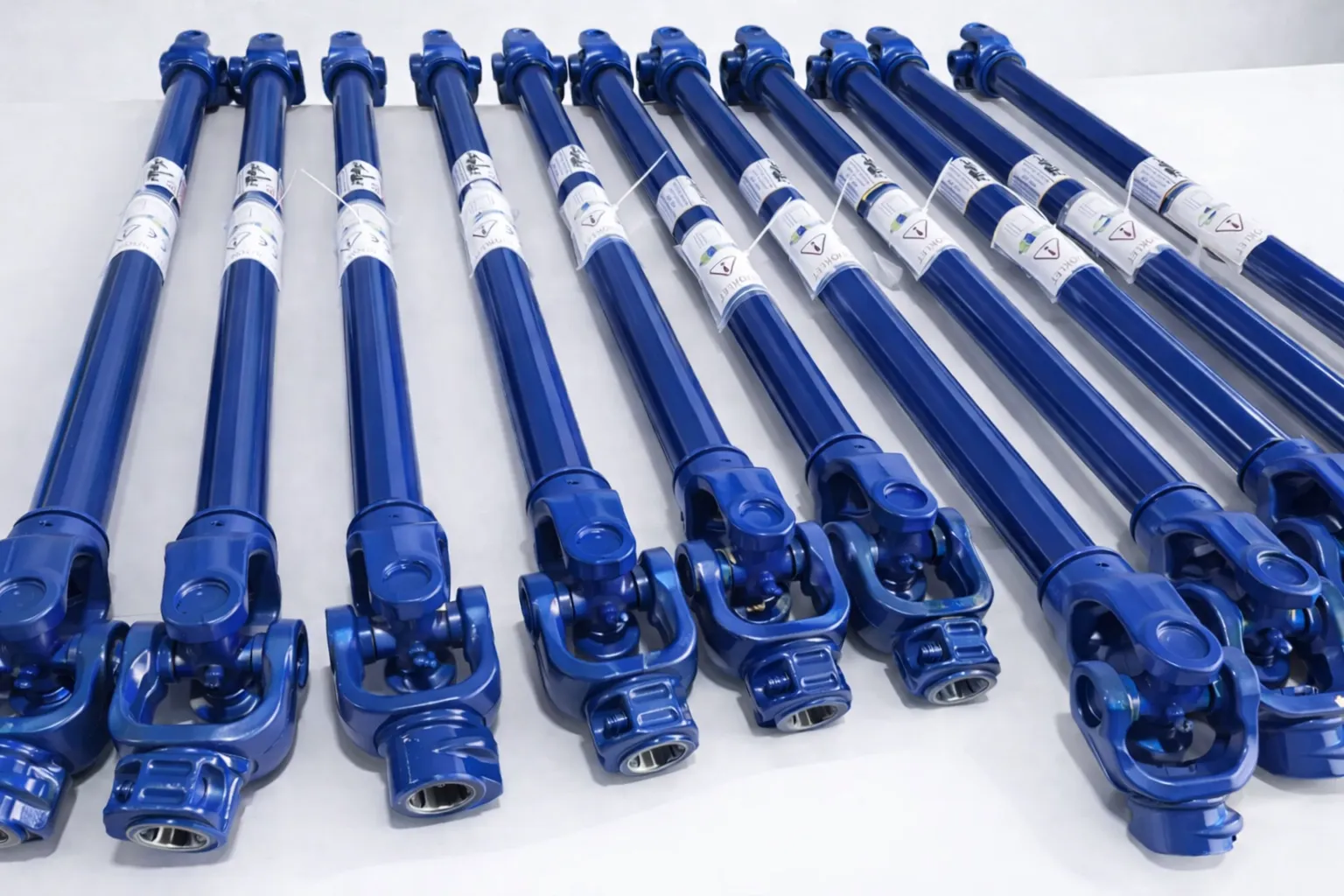
Punti critici per il cliente vs. soluzioni ingegneristiche
Problema riscontrato dal cliente (gestore aziendale agricolo, NSW): "La nostra precedente trasmissione aftermarket vibrava così violentemente a 540 giri/minuto da distruggere i cuscinetti del riduttore di ingresso della seminatrice in una sola stagione, compromettendo i nostri margini di profitto a causa dei tempi di inattività."
Soluzione EVER-POWER: "Abbiamo fornito un albero Serie 5 bilanciato dinamicamente (ISO 1940 Grado G6.3) con tubo a profilo stellato. Il tubo a stella offre una rigidità torsionale nettamente superiore rispetto ai tubi standard, neutralizzando completamente l'effetto frusta ed eliminando le vibrazioni del riduttore. Il cliente ha riferito di non aver avuto bisogno di sostituire i cuscinetti nei due anni successivi."
Problema riscontrato dal cliente (appaltatore, WA): "Le protezioni di sicurezza in plastica si rompono sempre dopo pochi mesi sotto l'intenso sole australiano, e veniamo multati dagli ispettori della sicurezza sul lavoro se lavoriamo senza di esse."
Soluzione EVER-POWER: "Abbiamo aggiornato la loro flotta con le nostre protezioni conformi alla norma AS 1121.4, iniettate con un inibitore UV di alto livello brevettato. Anche dopo 18 mesi di esposizione all'aria aperta a Perth, le protezioni in HDPE hanno mantenuto la loro integrità strutturale e la capacità di assorbimento degli urti."
Risoluzione dei problemi operativi
| Sintomo identificato | Causa principale ingegneristica | Protocollo di risoluzione del campo |
|---|---|---|
| Forte vibrazione della trasmissione | 1. Giunti assemblati fuori fase. 2. I cuscinetti a rullini del giunto cardanico si sono frantumati. 3. L'angolo di lavoro supera i 25°. |
1. Separare i tubi, allineare i segni di riferimento e riassemblare. 2. Ispezionare il kit di fissaggio; sostituirlo completamente se si riscontra del gioco. 3. Regolare la geometria del timone per ridurre l'angolo del giunto. |
| Blocco dei tubi telescopici | 1. Mancanza di lubrificazione tra i profili. 2. Tubi attorcigliati a causa di un sovraccarico di coppia. 3. Rimangono delle bave all'interno dopo il taglio. |
1. Pulire accuratamente e applicare il grasso EP2. 2. Sostituire l'albero completo; valutare se è necessaria una serie superiore. 3. Limare i bordi interni dei tubi tagliati fino a renderli lisci. |
| Lo scudo ruota con l'albero | 1. Catene antirotazione staccate. 2. Anelli di cuscinetto in nylon bloccati a causa di sporco/mancanza di grasso. |
1. FERMARSI IMMEDIATAMENTE. Riancorare saldamente le catene. 2. Iniettare grasso nei cuscinetti di protezione e sbloccare manualmente la rotazione. |
| Le rotture dei bulloni di taglio si verificano frequentemente | 1. La ventola dell'impianto è bloccata da detriti. 2. È stato installato un bullone di classe errata. 3. Innesto aggressivo della frizione. |
1. Eliminare eventuali ostruzioni nel sistema di aspirazione. 2. Assicurarsi di utilizzare rigorosamente bulloni di grado 8.8 specificati dal produttore originale (OEM). 3. Innestare delicatamente la presa di forza del trattore al minimo. |
Casi applicativi regionali del settore industriale in tutta l'Australia
Il nostro approccio ingegneristico localizzato ha permesso di risolvere specifiche problematiche geografiche e agronomiche in tutto il continente australiano.
📍 Melbourne, Victoria (VIC) — Semina di precisione delle cipolle
Sfida operativa: Ritardi nella sostituzione delle seminatrici pneumatiche importate dall'Europa durante il breve periodo critico per la semina.
Soluzione applicata: Rapida implementazione di una trasmissione Serie 4 compatibile con Walterscheid, dotata di frizioni a ruota libera integrate, consegnata dal nostro centro di distribuzione nazionale entro 48 ore, consentendo di recuperare tempo prezioso per la semina.
📍 Perth, Australia Occidentale (WA) — Semina di patate in terreno sabbioso
Sfida operativa: La sabbia silicea microabrasiva penetra nelle guarnizioni standard dei giunti cardanici, causando un guasto termico catastrofico dei cuscinetti a rullini.
Soluzione applicata: Integrazione di guarnizioni in nitrile Quad-Lip di ultima generazione sui perni trasversali, che estendono la durata del componente da 4 settimane a un intero ciclo multistagionale.
📍 Regione di Sydney, NSW — Orticoltura mista
Sfida operativa: Geometrie di piccole dimensioni che richiedono angoli di svolta estremi a fine campo senza disinnestare la presa di forza, causando il bloccaggio standard dei giunti.
Soluzione applicata: Attrezzi aggiornati con giunti a velocità costante ad ampio angolo (CV), che consentono una trasmissione di potenza continua con un'articolazione a 80 gradi, aumentando la copertura giornaliera di 20%.
📍 Hobart, Tasmania (TAS) — Semina di leguminose
Sfida operativa: Le gelate mattutine con temperature sotto zero provocano la solidificazione dei grassi tradizionali e rendono fragili e frantumanti le protezioni in polimero.
Soluzione applicata: Grasso al litio complesso a bassa temperatura di grado aerospaziale iniettato in fabbrica e schermatura in HDPE progettata per le basse temperature, che garantiscono un funzionamento regolare a -5 °C.
📍 Adelaide, Australia Meridionale (SA) — Carote Broadacre
Sfida operativa: Seminatrici multi-letto di grandi dimensioni che richiedevano alberi di lunghezza maggiore e che soffrivano di vibrazioni laterali a 540 giri/minuto.
Soluzione applicata: Sono stati impiegati tubi a profilo scanalato a parete spessa (5 mm) sottoposti a bilanciamento di precisione G2.5, che neutralizzano completamente la risonanza armonica nella cabina del trattore.
Ingegneria della trasmissione: 10 quesiti essenziali a cui viene data risposta
D1: Perché la ruota libera (frizione a ruota libera) è obbligatoria per la mia seminatrice pneumatica?
Le seminatrici pneumatiche utilizzano giranti pesanti. Quando si disinnesta la presa di forza, l'enorme energia cinetica mantiene la ventola in rotazione. Senza una ruota libera che disaccoppia questa forza, l'inerzia si trasmette all'indietro lungo l'albero, spingendo violentemente il trattore in avanti, il che rappresenta un grave pericolo per la sicurezza.
D2: Qual è l'intervallo di lubrificazione esatto per condizioni di polvere estreme?
Mentre gli intervalli standard per i cuscinetti a croce sono di 8-10 ore, il funzionamento in terreni profondi e asciutti richiede una lubrificazione giornaliera (ogni 8 ore) con grasso al litio EP2 per eliminare continuamente la silice abrasiva dalle sedi dei cuscinetti.
D3: Posso utilizzare l'apparecchiatura se la protezione in plastica è crepata ma ancora attaccata?
Assolutamente no. L'utilizzo con una protezione compromessa viola le normative australiane in materia di salute e sicurezza sul lavoro e presenta un rischio fatale di impigliamento. La macchina deve essere bloccata fino all'installazione di una protezione sostitutiva completa.
D4: È consentito sostituire un bullone di sicurezza rotto con un bullone ad alta resistenza?
No. I bulloni di sicurezza sono "fusibili meccanici" calcolati con precisione, in genere di grado 8.8. L'installazione di un bullone più resistente di grado 10.9 o 12.9 elimina il punto di rottura, trasferendo la coppia di sovraccarico catastrofica direttamente al costoso riduttore della seminatrice.
D5: Cosa determina la scelta tra un tubo con profilo a limone e un tubo con profilo a stella?
I tubi Lemon sono autopulenti ed eccellenti per un uso generale fino a potenze medie. I tubi Star offrono molteplici punti di contatto e una rigidità torsionale notevolmente superiore, il che li rende essenziali per trasmissioni ad alta potenza, con carichi pesanti o di lunghezza maggiore.
D6: Come faccio a sapere se ho accorciato troppo l'albero di trasmissione?
Alla massima estensione operativa, i tubi interno ed esterno devono mantenere una sovrapposizione di almeno un terzo (33%) della loro lunghezza totale. Una sovrapposizione inferiore provoca l'inceppamento, la piegatura o la completa separazione dei tubi durante il funzionamento.
D7: Qual è l'indicatore principale di guasto del giunto cardanico (cuscinetto a croce)?
Se si riscontra un gioco radiale o assiale (allentamento) scuotendo manualmente le forcelle, oppure se durante la lubrificazione fuoriesce dalle guarnizioni una miscela di polvere e acqua di colore ruggine, i cuscinetti a rullini si sono disintegrati e il kit di ingranaggi a croce deve essere sostituito immediatamente.
D8: In che modo un giunto omogeneo (CV) apporta benefici alle operazioni sul campo?
Un giunto omocinetico utilizza una configurazione a doppio giunto cardanico con un disco di centraggio, mantenendo una velocità di rotazione costante anche ad angoli estremi (fino a 80°). Ciò consente ai trattori di effettuare svolte strette a fine campo senza disinnestare la presa di forza, con un notevole risparmio di tempo.
D9: Questi alberi di trasmissione possono funzionare a 1000 giri/minuto?
Sì, i nostri alberi bilanciati sono in grado di funzionare a 1000 giri/minuto. Tuttavia, è necessario specificare i giunti a 21 o 20 scanalature corretti e verificare che il riduttore dell'attrezzo sia omologato per un ingresso di 1000 giri/minuto, altrimenti il superamento della velocità di rotazione danneggerà irreparabilmente l'attrezzo.
D10: Qual è la procedura corretta per riporre l'attrezzatura fuori stagione?
Smontare l'albero, lavarlo accuratamente per rimuovere il fango, eliminare il vecchio grasso iniettando grasso fresco in tutti i nippli e riporlo orizzontalmente al chiuso. Appenderlo verticalmente può deformare le protezioni in plastica e l'esposizione alla luce solare accelera la degradazione del polimero dovuta ai raggi UV.

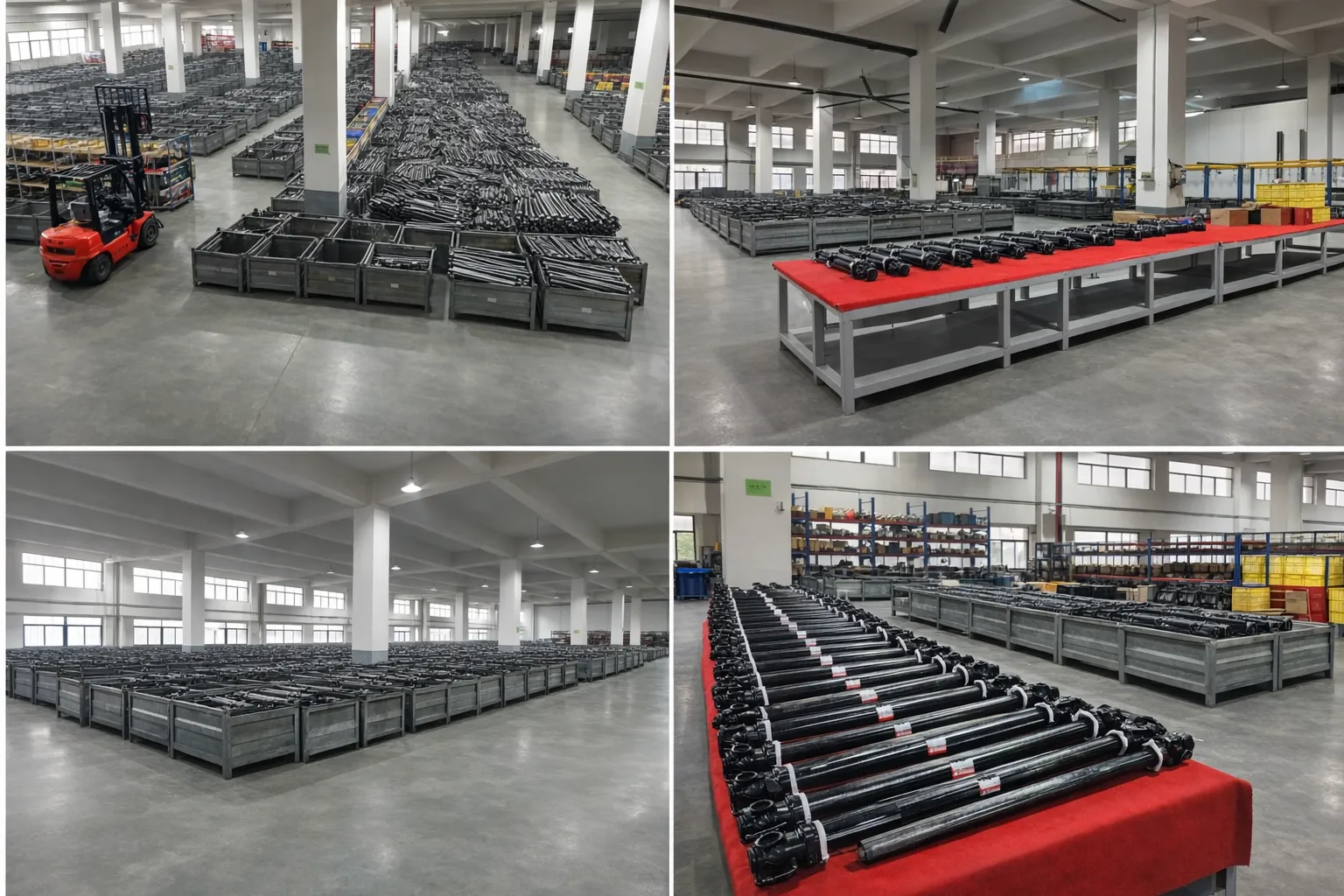

Sinergia completa della trasmissione: riduttori e componenti di trasmissione per applicazioni agricole.
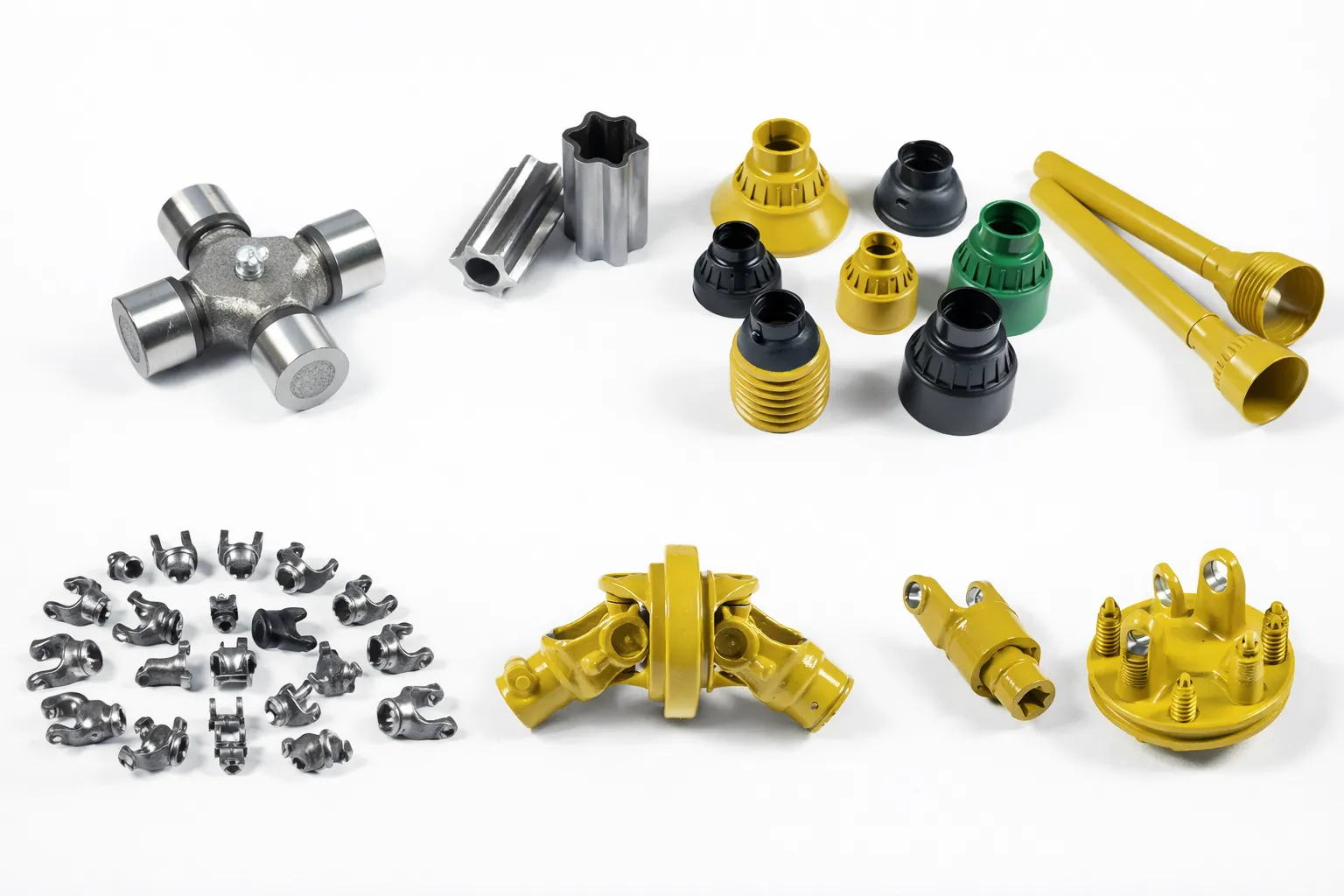
Un sistema di trasmissione di potenza è robusto quanto il suo anello cinematico più debole. EVER-POWER va ben oltre la semplice produzione di alberi; progettiamo ecosistemi di trasmissione completi. Abbinando i nostri alberi cardanici altamente bilanciati ai nostri riduttori agricoli proprietari e ai componenti periferici lavorati con precisione, eliminiamo le microtolleranze e le scanalature non corrispondenti che causano un'usura meccanica prematura. Questa strategia di approvvigionamento integrata garantisce un trasferimento di coppia perfetto dal volano del trattore ai dischi di lavorazione del terreno della seminatrice.
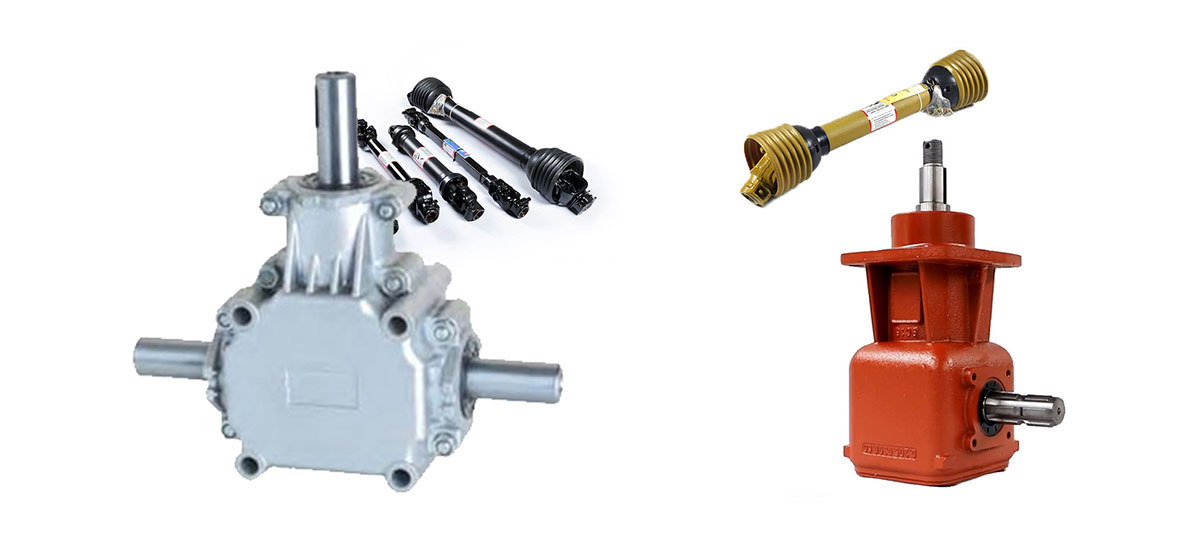
Potenzia il tuo sistema di propulsione agricolo.
EVER-POWER mette a disposizione del settore agricolo oltre vent'anni di esperienza metallurgica maturata nell'industria pesante. Non ci limitiamo a fornire dimensioni standard; il nostro reparto di ingegneria è specializzato in personalizzazioni complesse e non standard. Che si tratti di forcelle con giunti unici, impostazioni di coppia di sgancio della frizione speciali o configurazioni multicuscinetto di lunghezza estrema, produciamo esattamente secondo i vostri disegni meccanici o li realizziamo tramite ingegneria inversa a partire dai vostri campioni fisici.
Richiedi consulenza tecnica e preventivo
Supporto diretto alle vendite di ingegneria: [email protected]