
Heavy-Duty PTO Shafts for Manure Spreaders: Engineered for Australian Agricultural Environments
Mastering high-inertia loads and corrosive biological environments. Integrated with precision overrunning clutches and E-coat anti-corrosion technology to guarantee zero-downtime nutrient distribution.
Power System Selection Fundamentals & Core Technology Quick Read
Driving a commercial manure spreader presents one of the most mechanically hostile environments for any agricultural driveline. The operation involves immense breakaway torque to initiate the movement of densely compacted, wet biological material via the floor apron chain, followed by the high-velocity kinetic rotation of rear vertical or horizontal beaters.
EVER-POWER designs specialized tractor pto shaft assemblies that address the two primary failure modes in manure spreaders: inertia feedback and chemical corrosion. Our drive systems mandatorily incorporate an Overrunning Clutch (Freewheel) on the implement end. Because the massive rear beaters act as a flywheel, disengaging the tractor’s PTO can cause the implement to drive the tractor forward if not properly decoupled. Furthermore, the high concentration of ammonia and uric acid in livestock manure aggressively attacks standard carbon steel.
- ✓ Inertia Management: Integrated Overrunning (RA) clutches allow safe implement deceleration independent of the tractor transmission.
- ✓ Biological Corrosion Shielding: Yokes and tubes undergo a proprietary 5-stage Electrophoretic Deposition (E-Coat) process, drastically increasing resistance to acidic manure runoff.
- ✓ Shock Load Protection: Combined Overrunning and Shear-Bolt/Friction Clutch configurations protect against foreign objects (stones, frozen manure clods) jamming the beaters.
Mechanical Actuation and Driveline Integration in Nutrient Spreaders
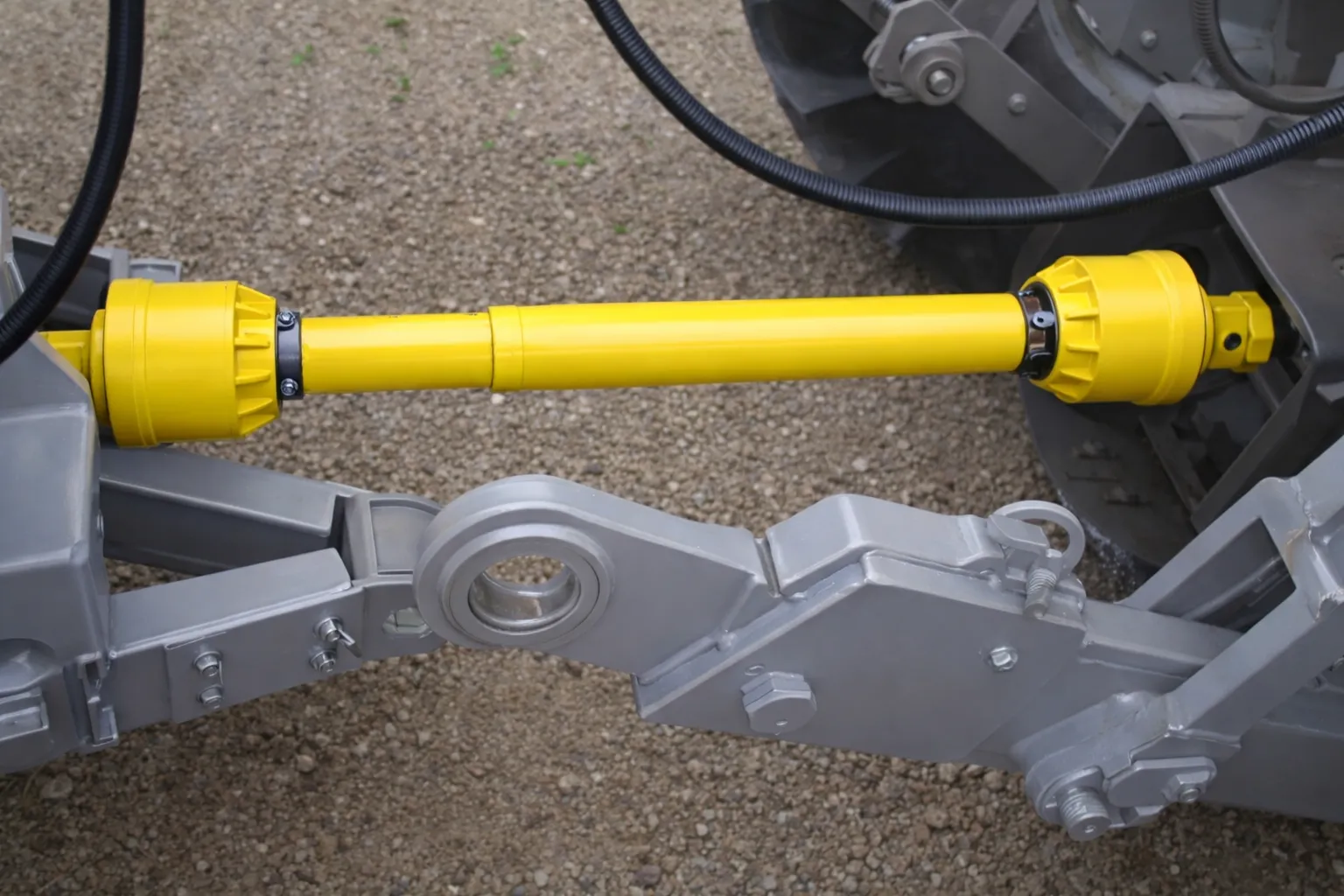
The pto drive shaft serves as the critical kinetic bridge transferring rotational power from the tractor’s power take-off stub to the input shaft of the primary agricultural gearbox mounted on the spreader’s chassis. The power routing in a typical muck spreader is bifurcated:
Primary torque is directed to the heavy-duty reduction gearbox that slowly pulls the floor apron chains, advancing the dense manure load rearward. Simultaneously, high-speed rotational energy is channeled through secondary drive chains or a rear right-angle gearbox to spin the discharge beaters. During field application, the telescopic profile tubes of our PTO shaft constantly adjust in length to accommodate terrain undulations, while the precision forged universal joints articulate to maintain smooth power delivery during cornering. The inclusion of the freewheel clutch on the implement side ensures that when the operator reaches the end of a run and shuts off the PTO, the massive kinetic energy of the spinning beaters safely dissipates without back-feeding rotational force into the tractor transmission.
Engineering Parameter Matrix & Customization Range
For high-capacity commercial spreading contractors, accurate specifications define the boundary between relentless productivity and catastrophic failure. Review our engineering limits below.
| Technical Parameter | Standard Spreader Specification | Heavy-Duty Custom Limits (Contractor Grade) |
|---|---|---|
| Dynamic Torque Capacity (Nm) | 1,500 Nm – 2,800 Nm | Up to 5,500 Nm for Quad-Beater Systems |
| Primary Protection Mechanism | Overrunning (Freewheel) + Shear Bolt | Combined Overrunning + Multi-Disc Friction Clutch |
| U-Joint Cross Dimensions | 30.2mm x 92mm (Series 6) | 41.3mm x 118mm (Series 10) |
| Tractor Input Yoke | 1-3/8″ 6-Spline or 21-Spline Quick Disconnect | 1-3/4″ 20-Spline with Heavy Clamp Collar |
| Operational Speed Optimization | 540 RPM / 1000 RPM | Dyno-balanced for sustained 1000 RPM with zero runout |
| Telescopic Profile Geometry | Lemon / Triangular Profile | Splined Star Profile (Maximal Torsional Stiffness) |
| Maximum Continuous Articulation | 25 Degrees | 80 Degrees via Wide-Angle CV Joint |
| Surface Anti-Corrosion Defense | Standard Polyurethane Enamel | Electrophoretic E-Coat (Highly resistant to Ammonia) |
| Profile Tube Wall Thickness | 4.0 mm – 5.5 mm | 7.0 mm – 9.0 mm (Extreme Shock Resistance) |
| Safety Shielding Polymer | Standard Polyethylene | UV-Stabilized HDPE with Nylon Bearing Rings |
| Journal Sealing Mechanism | Single Nitrile Lip | Triple-Lip Labyrinth Seal (Excludes acidic sludge) |
| Dynamic Balance Quality | ISO 1940-1 Grade G16 | ISO 1940-1 Grade G6.3 |
| Shear Bolt Tensile Yield | Grade 8.8 Carbon Steel | Grade 10.9 Precision Fracture Calibrated |
| Tractor Horsepower Class | 70 HP – 130 HP | 150 HP – 350+ HP Broadacre Tractors |
| Thermal Operating Envelope | -20°C to +65°C | -40°C to +105°C |

Metallurgical Integrity: The EVER-POWER Advantage
✖ The Hidden Cost of Substandard Drivelines
Budget aftermarket suppliers frequently utilize thin-walled 1020 carbon steel tubes and cast-iron yokes. In manure spreading, the startup torque required to move 15 tons of compacted biological mass is staggering. Cast-iron yokes suffer from micro-porosity and lack the tensile strength to withstand this initial shock, leading to brittle fracture at the ears. Additionally, standard single-lip seals fail rapidly when exposed to acidic manure slurry, causing bearing crystallization.
✔ The Heavy-Duty Forged Standard
EVER-POWER exclusively utilizes closed-die forged 20CrMnTi alloy steel for all yoke components. This aligns the metallurgical grain structure parallel to the stress load path, dramatically multiplying fatigue resistance. Our profile tubes are cold-drawn to exact tolerances with augmented wall thicknesses. By implementing triple-lip labyrinth seals and severe-duty E-coat paint, our assemblies repel corrosive agents and deliver uninterrupted power season after season.
Cross-Brand Implementation & Component Interoperability
Maintaining a mixed fleet of spreader equipment demands standardized driveline solutions. We manufacture complete assemblies and individual components that offer flawless dimensional parity with global European and North American architectures.
⚖ Engineering Compatibility Disclaimer:
Our advanced PTO shafts are engineered as precision replacement upgrades for driveline systems found on equipment utilizing GKN Walterscheid™, Comer Industries™, Bondioli & Pavesi™, and Weasler™ components.
Note: All manufacturer names, trademarks, and part numbers are for reference purposes only to assist fleet mechanics in specification matching. EVER-POWER operates as a strictly independent manufacturer and is not legally affiliated with, nor endorsed by, these entities.
- European Metric Geometry (Walterscheid / Bondioli)
Exact dimensional matching for W-Series Lemon/Star profiles and Series 6, 8, 10 Triangular tubes. Direct bolt-on compatibility for 4-plate friction clutches and RA freewheels. - North American Standards (Weasler Type)
Fully interoperable with 35 Series, 44 Series, and 55 Series rectangular or splined shaft configurations commonly found on large US-built tandem-axle spreaders.

Australian Extreme Terrain & Operational Environment Analysis
The scale of Australian agriculture demands machinery that can endure grueling operational hours under relentless UV radiation and highly varied terrain. From the vast cattle stations of Queensland requiring immense spreader capacities, to the precise organic nutrient applications in the vineyards of South Australia, equipment failure is not an option.
AS 1121.1-2007 Legislative Compliance: Safety protocols in Australia, enforced by Safe Work Australia and regional WHS authorities, are exceptionally stringent regarding agricultural exposed rotational hazards. A 1000 RPM PTO shaft can entangle an operator’s clothing in a fraction of a second, resulting in fatal trauma. Operating a spreader with an exposed, cracked, or missing guard carries extreme liability.
EVER-POWER addresses this by equipping all exported drivelines with master shielding systems manufactured from UV-stabilized High-Density Polyethylene (HDPE). These non-rotating guards utilize high-impact nylon bearing rings and heavy-duty restraining chains, ensuring the shielding remains intact, compliant, and structurally sound despite years of exposure to the brutal Australian sun and corrosive manure splatter.
Rapid Engineering Selection Guide: Sizing the Driveline
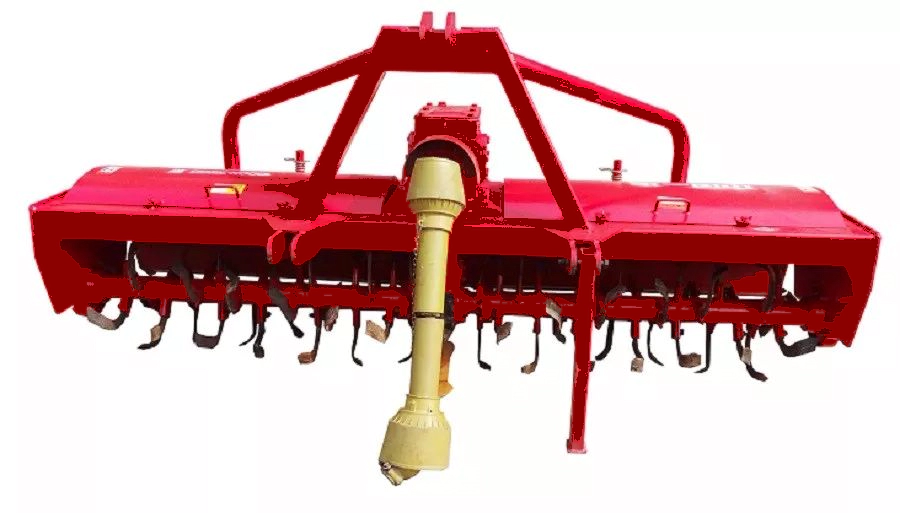
Deploying an undersized shaft leads to twisted tubes; deploying a rigid shaft without an overrunning clutch destroys the tractor transmission. Utilize this engineering matrix to isolate your required specifications:
| Selection Criteria | Data Acquisition Requirement | EVER-POWER Engineering Specification |
|---|---|---|
| 1. Clutch Imperative | Does the spreader have heavy rotating beaters/spinners? | Mandatory: Overrunning Clutch (Freewheel) on the implement side to absorb rotational inertia during PTO shut-off. |
| 2. Overload Protection | Risk of foreign objects (rocks, frozen blocks) in the manure? | If high risk: Friction Slip Clutch. If low risk: Grade 8.8 Shear Bolt Yoke combined with the freewheel. |
| 3. Power Rating | Tractor PTO Output Horsepower. | 60-90HP: Series 6. 100-140HP: Series 8. >150HP: Heavy-Duty Splined Star Profile. |
| 4. Geometry Articulation | Is the tractor making tight turns with the PTO engaged? | If operating angle exceeds 25°, upgrade the tractor end to an 80° Wide-Angle Constant Velocity (CV) Joint. |
| 5. Dimensional Length | Distance between tractor and spreader input when drawing straight. | Ensure the calculated ‘closed length’ allows for at least 1/3 tube overlap, while leaving 2 inches of clearance to prevent ‘bottoming out’. |
Precision Driveline Calibration and Installation Protocol
- Length Modification (The 1/3 Overlap Rule): Before connection, align the tractor and spreader on level ground. Separate the driveline. Attach the inner half to the spreader and the outer half to the tractor. Hold them parallel. The tubes must overlap by a minimum of 33% of their total length, but must not “bottom out” (touch the opposite yokes) when turning. Cut both the steel tubes and the plastic shielding by the exact same measurement. Chamfer and deburr the cut steel edges.
- Yoke Phasing Synchronization: When re-inserting the inner profile tube into the outer profile tube, you must ensure that the inner yokes at both ends of the shaft are perfectly aligned in the same geometric plane. Out-of-phase installation induces massive torsional vibration that will shatter the spreader’s gearbox bearings within hours.
- Freewheel Orientation: The Overrunning Clutch (Freewheel) mechanism must be installed on the implement (spreader) side, never on the tractor output shaft. Installing it backward completely negates its ability to protect the tractor from implement inertia.
- Friction Clutch Burnishing (If Equipped): Prior to hauling the first load of manure, completely loosen the compression bolts on the friction clutch. Engage the PTO at low RPM to intentionally force the clutch to slip for 2-4 seconds. This polishes off rust and environmental glazing. Immediately re-torque the bolts to the exact millimeter height specified in our engineering manual.
- Anti-Rotation Guard Fixation: Fasten the safety chains to rigid, stationary points on both the tractor chassis and the spreader drawbar. The chain must have enough slack to allow cornering, but must actively prevent the plastic bell cones and tubes from rotating.
Operational Diagnostics & Advanced Troubleshooting
Swift identification of mechanical anomalies limits catastrophic collateral damage to the agricultural gearbox.
▶ Symptom: The tractor is pushed forward when the PTO is disengaged.
Resolution Action: Verify orientation. If correctly mounted, separate the clutch housing and inspect the internal pawls and springs. If seized from acidic manure corrosion, replace the entire clutch assembly and implement a stricter greasing schedule.
▶ Symptom: Severe driveline vibration and “chatter” when turning corners.
Resolution Action: Check the phasing marks on the profile tubes. If phasing is correct, you must disengage the PTO during headland turns. If continuous power during turns is required, upgrade the tractor-end yoke to an 80° Wide-Angle Constant Velocity (CV) joint.
▶ Symptom: The Shear Bolt snaps immediately upon engaging the PTO.
Resolution Action: Manually inspect and clear the spreader bed. Never replace a shear bolt with a higher tensile strength bolt (e.g., replacing an 8.8 with a 10.9) to “solve” the breaking issue, as this will transfer the destructive force directly into the primary gearbox, causing thousands of dollars in damage.
Local Industry Application Cases: Engineer’s Field Diagnostics
“Over my two decades of engineering drivelines for the unique extremes of the Australian agricultural sector, we have systematically eliminated failure points across the continent. Below are authentic field interventions resolving critical downtime issues for local operators.”
📍 Queensland (Darling Downs) – Commercial Beef Feedlot
Application Context: High-capacity 20-ton tandem axle manure spreaders distributing dense feedlot waste.
Client Pain Point: The immense inertia of the twin vertical beaters was continuously snapping standard PTO shear bolts every time the tractor operator throttled down aggressively, causing hour-long delays.
EVER-POWER Solution: We retrofitted their fleet with Series 8 drivelines featuring an integrated RA (Overrunning) Clutch combined with a 4-plate friction limiter. The freewheel decoupled the inertia, completely eliminating the shear bolt breakages. “Since the upgrade, our spreading output has increased by 30% per day due to zero breakdown stops.”
📍 Victoria (Gippsland) – Large-Scale Dairy Operations
Application Context: Spreading wet dairy slurry via rear-discharge flail spreaders.
Client Pain Point: Standard driveshaft yokes and sliding profile tubes were rusting solid within 6 months due to the highly acidic nature of the dairy manure splatter.
EVER-POWER Solution: Deployed our heavy-duty assemblies featuring the 5-stage Electrophoretic Deposition (E-Coat) process and triple-lip sealed crosses. The shafts remained fully telescopic and rust-free after two full seasons of acidic exposure.
📍 Western Australia (Albany) – Broadacre Organic Fertilization
Application Context: Spreading composted chicken litter over massive undulating acreage.
Client Pain Point: The extreme terrain caused continuous bouncing. The plastic PTO guards were shattering under the stress and UV degradation, leading to severe WHS (Work Health and Safety) compliance warnings.
EVER-POWER Solution: Supplied AS 1121.1-2007 compliant UV-stabilized HDPE shielding systems with reinforced nylon bearing collars, enduring the physical shock and intense WA sunlight without embrittlement.
📍 South Australia (Mount Gambier) – Potato Farming
Application Context: Navigating tight headlands while applying heavy base compost before planting.
Client Pain Point: Operators were destroying cross-journals by forcing the spreader through sharp turns with the PTO fully engaged under load.
EVER-POWER Solution: Integrated an 80-degree Wide-Angle CV joint on the tractor side. This allowed operators to execute continuous power transmission through 60+ degree headland turns without the destructive velocity fluctuations.
📍 New South Wales (Wagga Wagga) – Contract Spreading
Application Context: Contractors using high-HP tractors (250+ HP) to pull oversized trailed spreaders.
Client Pain Point: Standard triangular tubes were twisting radially (spiraling) under the massive startup torque required to move 15 tons of compacted waste.
EVER-POWER Solution: Upgraded the client to our extreme-duty Splined Star Profile tubes. The multiple gear-like teeth distributed the torsional load perfectly, eliminating tube twist entirely.
Drive System Technical Queries (FAQ)
1. Why is an overrunning clutch (freewheel) strictly necessary for my manure spreader?
The massive rear beaters act as a heavy flywheel. When you disengage the PTO or rapidly decelerate the tractor, the kinetic energy of those spinning beaters wants to keep rotating. Without a freewheel to decouple this energy, the implement will literally drive the tractor forward, causing dangerous loss of braking control and severe transmission damage.
2. How frequently should I lubricate the driveline operating in manure?
While standard agricultural use dictates greasing every 50 hours, the corrosive and highly contaminated nature of manure spreading requires purging the U-joints with extreme-pressure lithium grease every 20 operational hours. The sliding profile tubes must also be separated and greased to prevent axial seizing.
3. What is the difference between a friction slip clutch and a shear bolt?
A shear bolt acts as a mechanical fuse; it breaks entirely during an overload (like hitting a rock), requiring you to stop and replace it. A friction slip clutch uses tensioned discs that slip momentarily to absorb the shock, and then immediately resume power transmission automatically, saving immense downtime in debris-filled manure.
4. Are your protective guards compliant with Australian WHS regulations?
Yes. Every complete shaft assembly we export meets or exceeds AS 1121.1-2007 requirements. They feature full-coverage, UV-resistant HDPE cones and tubes, equipped with certified anti-rotation safety chains to completely isolate the operator from the rotating steel.
5. How do I determine the correct “closed length” when ordering a replacement?
Measure from the locking groove on the tractor PTO stub to the locking groove on the implement input shaft while the spreader is hitched and the tractor is drawing straight. The ordered ‘closed length’ of the shaft must be shorter than this distance to allow for connection and maneuvering.
6. Can I upgrade my standard 6-spline shaft to match a 21-spline 1000 RPM tractor?
Yes. However, you must ensure your spreader’s reduction gearbox is rated for 1000 RPM input. Do not use cheap adapter sleeves, as they induce dangerous vibrations. We supply custom asymmetrical shafts (e.g., 21-spline on the tractor end, 6-spline on the spreader end) for a perfect native connection.
7. Why do my profile tubes twist and get stuck together?
Tube twisting (spiraling) occurs when the transmitted torque exceeds the structural yield limit of the tube shape (often occurring during the massive startup torque phase of a heavy manure load). If this happens, you must upgrade from a Lemon/Triangular profile to a Heavy-Duty Splined Star profile.
8. What does “phasing the yokes” mean?
Phasing means that the inner yokes welded to both ends of the sliding tubes must align exactly parallel in the same plane. If you separate the tubes and reassemble them out of alignment (mis-phased), the shaft will create severe, destructive velocity fluctuations that shake the equipment violently.
9. Can I replace a broken cast-iron yoke with your forged steel yoke?
Yes, provided the dimensional series matches (e.g., replacing a Series 6 cast yoke with a Series 6 forged yoke). Our forged 20CrMnTi yokes are dimensionally interchangeable with major European brands and offer over 300% more fracture resistance.
10. The slip clutch smoked heavily during its first use. Is it ruined?
Not necessarily. If it was smoking, it means it slipped under load. If it is a new clutch, or one that hasn’t been used since last season, you must “burnish” it by loosening the bolts, letting it slip for 2 seconds to remove rust, and then precisely tightening the springs back to the specified millimeter height.
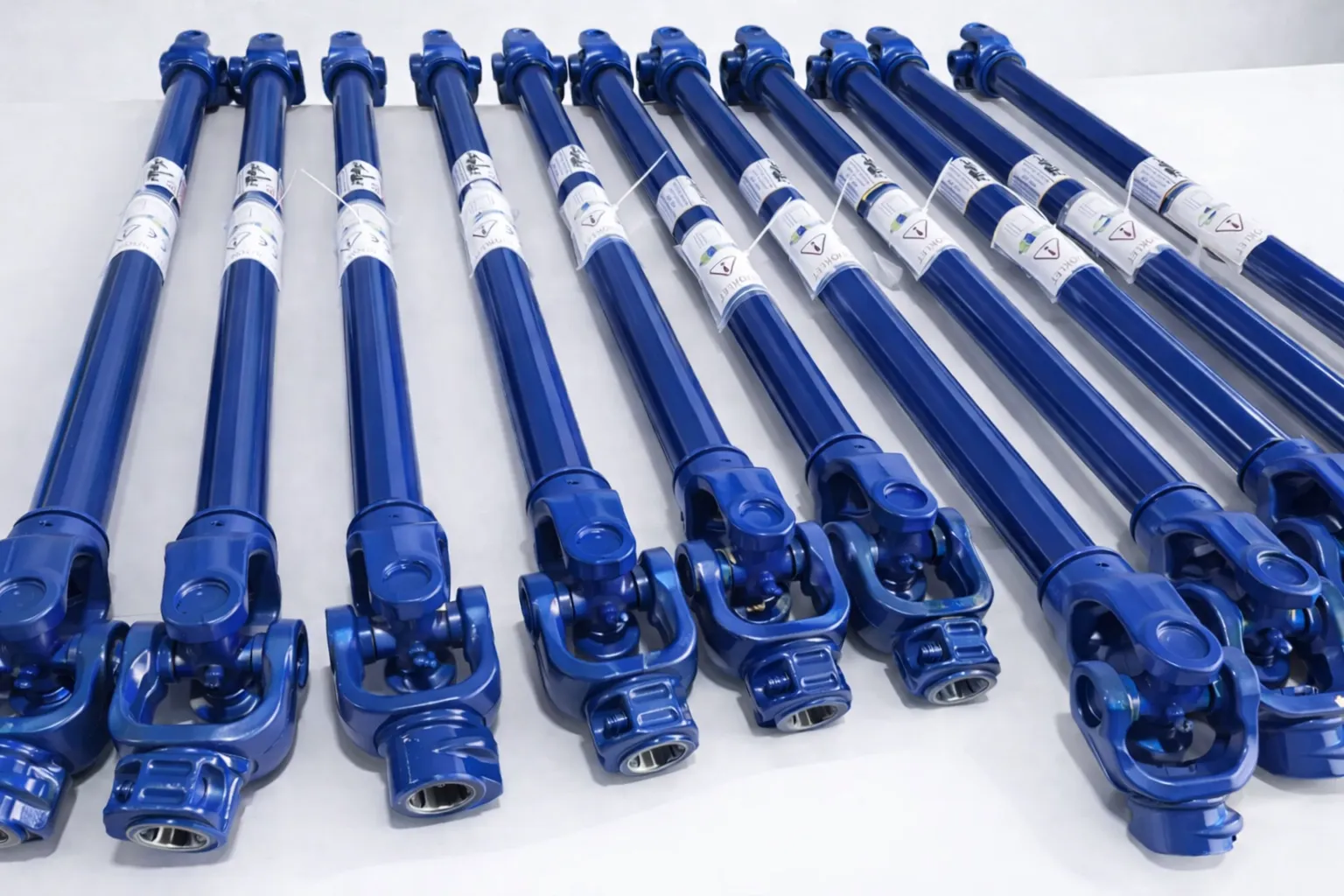
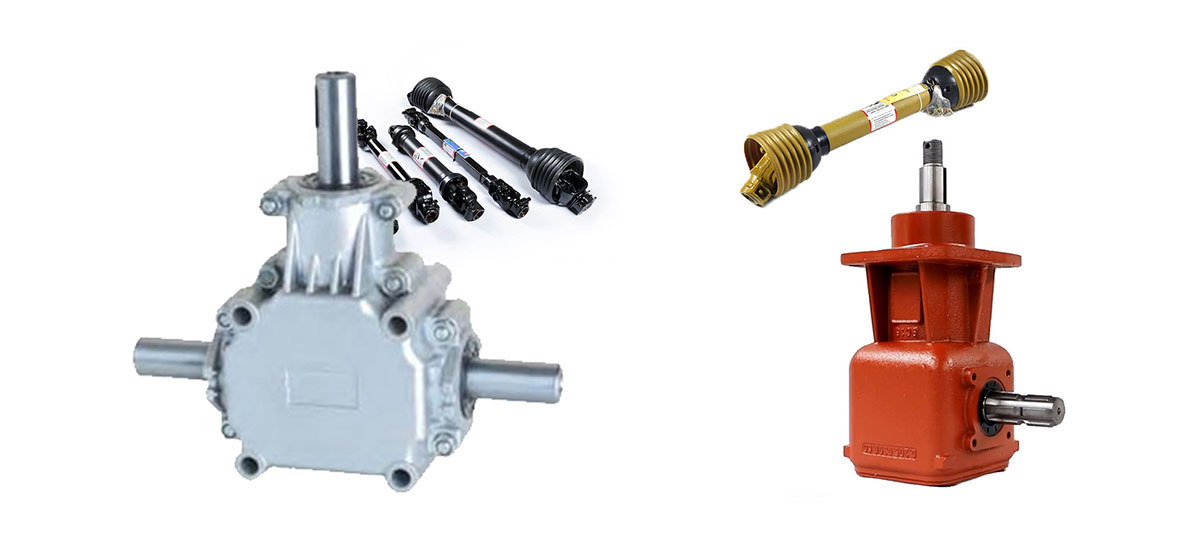
Complete Driveline Ecosystem: Gearboxes & Power Components
The PTO shaft is only the first phase of power transmission. EVER-POWER designs and manufactures the terminal reduction units and secondary drive systems that physically move the manure.
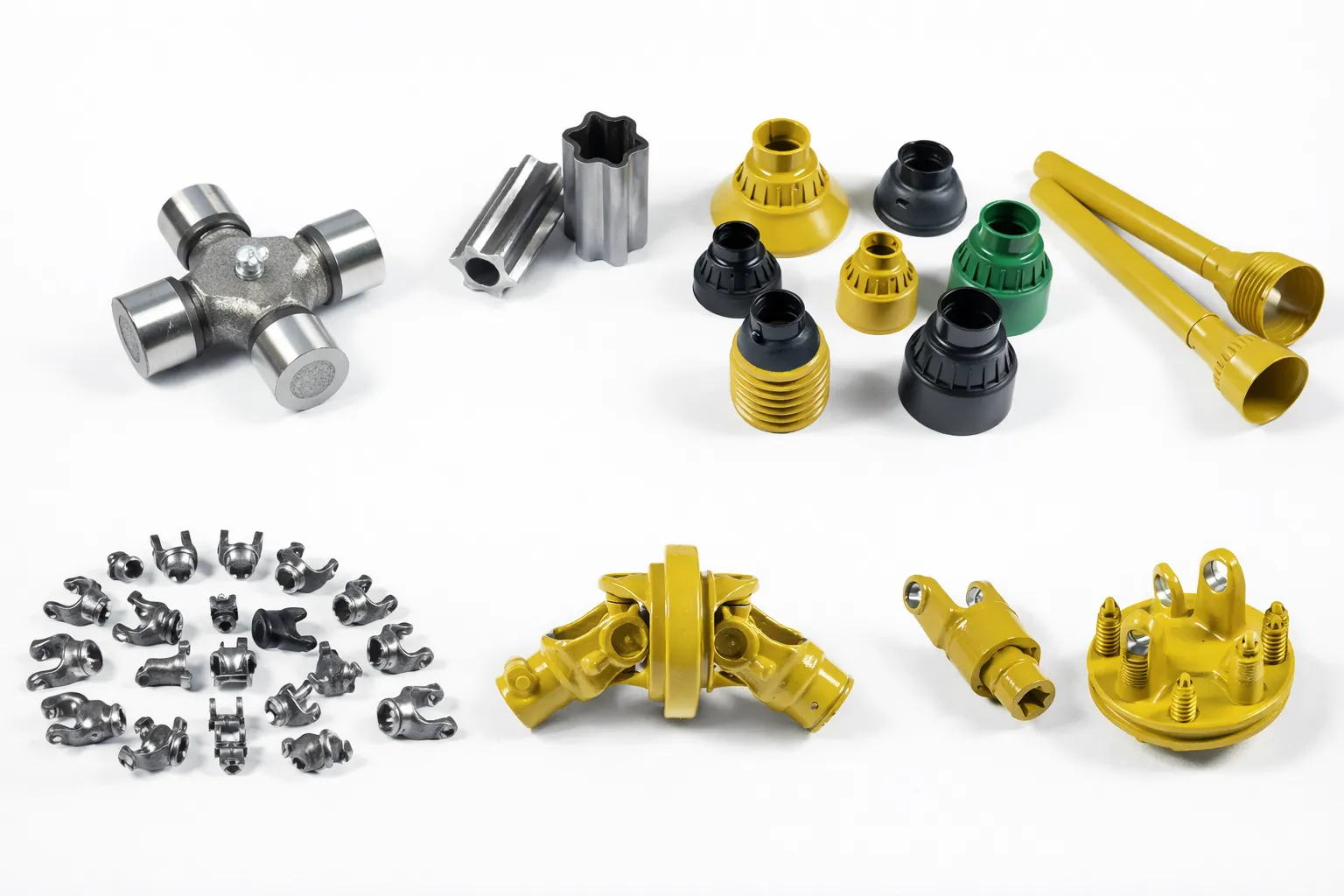
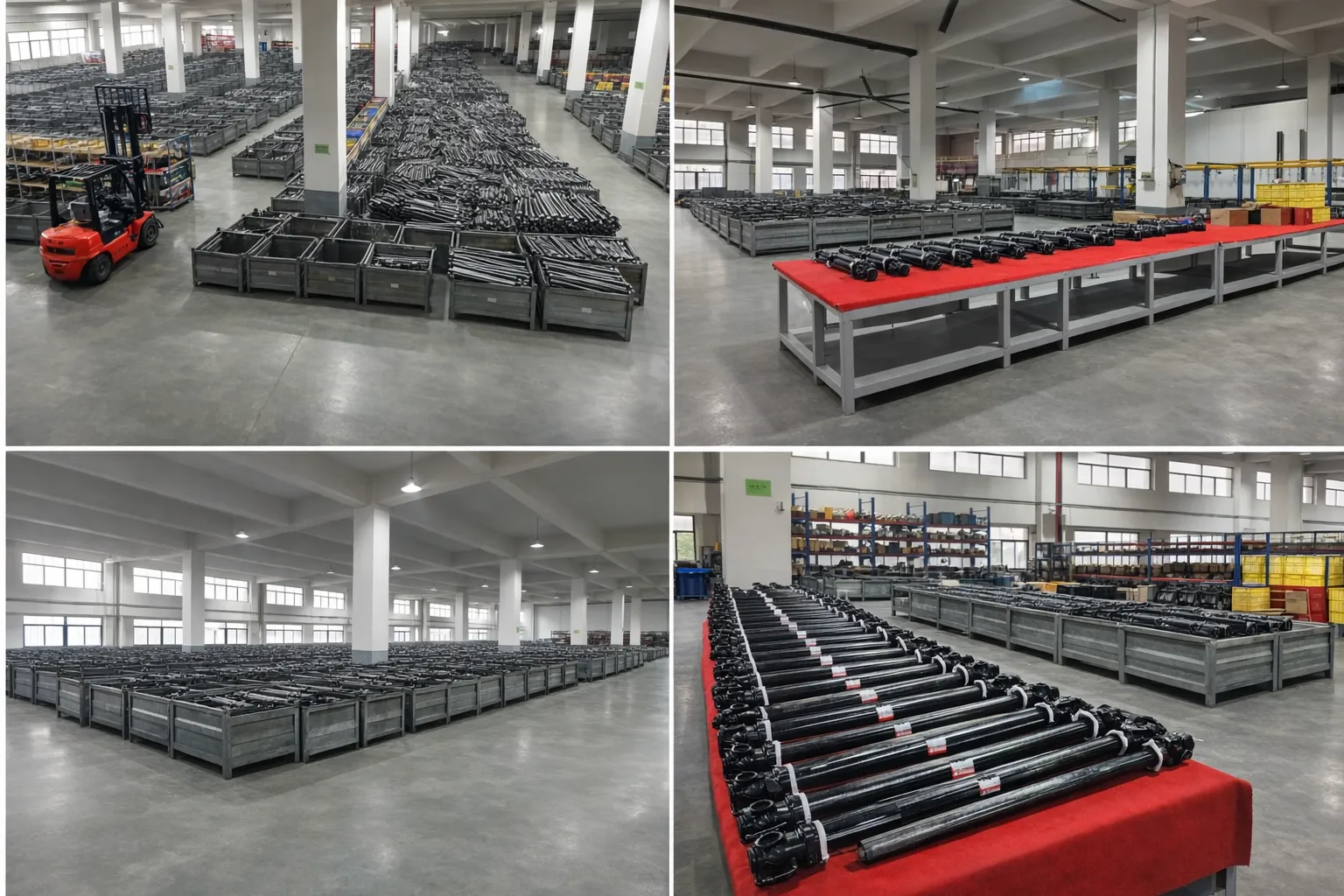
Unyielding Power for Unforgiving Environments
EVER-POWER commands absolute authority in agricultural metallurgy. Equipped with vast CNC machining centers and advanced thermodynamic heat-treatment kilns, we do not merely assemble standard components; we forge primary driveline solutions engineered to dominate the harshest biological and mechanical extremes.
⚙ Specialized Custom Engineering Services
Agricultural equipment manufacturers (OEMs) and commercial dealers are not limited to catalogue standards. If your heavy-duty manure spreader architecture requires extended telescopic travel limits, proprietary flange configurations, extreme-torque clutch calibrations, or advanced chemical-resistant coatings, submit your blueprints. Our engineering division operates rapidly from technical drawings or physical samples, delivering precision-machined prototypes directly to your facility.
Upload Blueprints for Custom Quote
Direct Engineering & Sales: [email protected]